
The world of ophthalmic surgery is one of extreme precision, where the difference between a successful outcome and a surgical complication is measured in micrometers. Ophthalmic microsurgical instruments, particularly those featuring diamond-dusted tips, represent the pinnacle of surgical engineering. These tools are designed for delicate tasks such as gripping the ultra-thin capsular bag during cataract surgery or manipulating retinal tissues. Because of their intricate design and the fragile nature of the diamond coating, these instruments present a unique challenge to the sterile processing department. A standard cleaning approach is often insufficient and can even be destructive, leading to equipment failure or, worse, patient injury.
The Critical Importance of Point-of-Use Care
The journey of a diamond-dusted ophthalmic instrument begins in the operating room, long before it reaches the decontamination area. Point-of-use care is arguably the most critical step in the reprocessing of microsurgical tools. Because ophthalmic surgery often involves the use of viscoelastic substances—thick, gel-like materials used to maintain eye pressure—it is imperative that these residues are wiped away immediately. If viscoelastic material is allowed to dry on a diamond-dusted tip, it creates a hardened shell that is nearly impossible to remove without damaging the delicate coating. Surgical staff should use a lint-free, sterile sponge saturated with sterile water to gently wipe the tips after each use during the procedure.
In a professional sterile processing technician course, students are taught the "why" behind this urgency. Dried proteins and synthetic gels not only harbor bioburden but also act as a shield for microbes during the sterilization process. For ophthalmic tools, there is an added risk known as TASS (Toxic Anterior Segment Syndrome), a sterile inflammatory reaction caused by contaminants or detergent residues left on instruments. Proper point-of-use care ensures that the subsequent cleaning steps in the sterile processing department are effective, protecting both the longevity of the expensive diamond-dusted investment and the delicate internal structures of the patient's eye.
Decontamination and Manual Cleaning Protocols
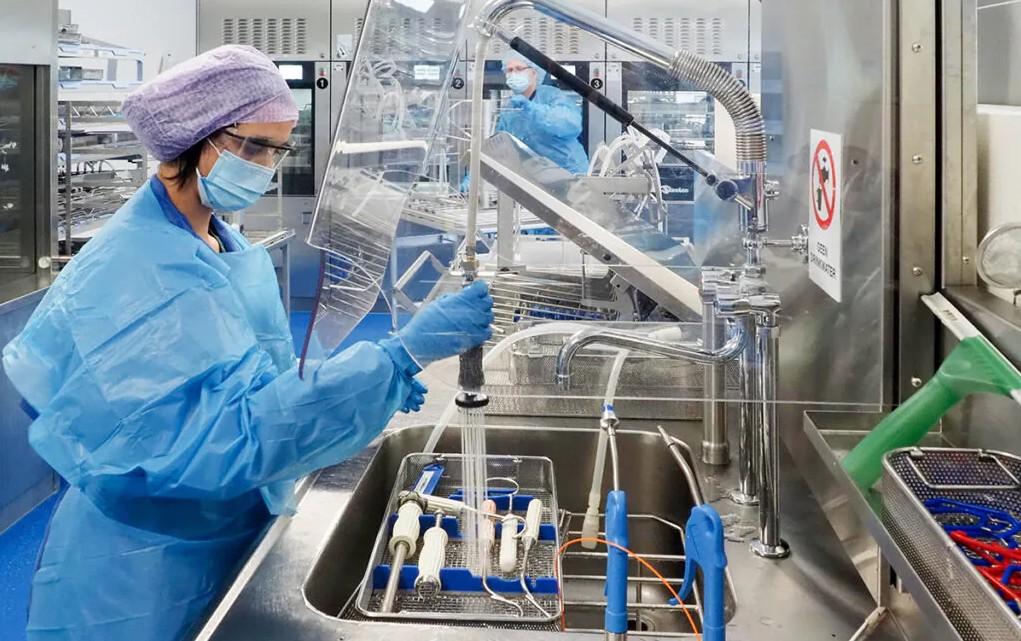
When diamond-dusted instruments arrive in the decontamination area, they must be separated from heavier sets to prevent crushing or misalignment. Manual cleaning is the preferred method for these delicate items. Technicians should use a neutral pH detergent specifically formulated for microsurgical instruments. It is vital to avoid high-alkaline cleaners, which can strip the diamond coating or cause pitting in the metal substrate. Brushing should be done with extreme care; only soft-bristled nylon brushes or specialized ophthalmic cleaning sticks should be used. Using a wire brush or even a firm-bristled nylon brush can dislodge the diamond particles, effectively ruining the instrument's functional surface.
Furthermore, the rinsing phase must be thorough. Any residual detergent trapped within the diamond dusting can cause the aforementioned TASS or lead to instrument corrosion over time. Most manufacturers recommend multiple rinses with treated water (deionized or distilled) to ensure all chemical traces are removed. During a sterile processing technician course, future technicians spend significant time learning about water quality and its impact on medical devices. They learn that even the minerals found in standard tap water can leave deposits on diamond tips, interfering with the instrument's grip and potentially introducing foreign matter into the surgical site during the next procedure.
Inspection Under Magnification: The Technician’s Sharp Eye
Visual inspection is a mandatory step in the reprocessing of any surgical tool, but for ophthalmic microsurgery, it requires the use of high-powered magnification or a surgical microscope. A diamond-dusted tip can appear clean to the naked eye while still harboring microscopic tissue or gel residues between the diamond granules. Technicians must inspect the tips for any signs of "balding," where the diamond dust has begun to flake away. If the coating is compromised, the instrument will no longer provide the necessary traction, which could lead to a slip during a delicate maneuver in the eye.
Beyond the tips, the technician must check the box locks, hinges, and alignment of the instrument. Because these tools are so fine, even a slight drop can bend the tips out of alignment. A sterile processing technician course provides the training needed to identify these subtle defects. Technicians learn to use specialized testing materials, such as thin latex sheets or fine silk, to ensure the instrument grips and releases as intended. If an instrument fails inspection, it must be removed from service immediately for repair or replacement. In the world of microsurgery, "good enough" is never an acceptable standard for instrument readiness.
Sterilization and Safe Transport
Once cleaned and inspected, diamond-dusted instruments require specific packaging to prevent damage during the sterilization cycle. They should be placed in specialized ophthalmic trays with silicone "finger" mats that hold each tool securely in place. This prevents the instruments from shifting and knocking against one another, which is a leading cause of diamond-dust loss. While steam sterilization is the most common method, technicians must adhere strictly to the manufacturer’s instructions for use (IFU) regarding temperature and exposure time. Some specialized coatings or adhesives used in these instruments may require low-temperature sterilization methods like ethylene oxide or hydrogen peroxide gas plasma.
Elevating the Standard of Ophthalmic Care
The reprocessing of diamond-dusted ophthalmic instruments is a testament to the complexity of modern healthcare. It requires a blend of manual dexterity, scientific knowledge, and an unwavering commitment to detail. As surgical technology continues to advance, the role of the sterile processing department becomes even more vital. Technicians are the unsung heroes of the operating room, ensuring that every tool—no matter how small or delicate—is prepared to the highest possible standard. Without their expertise, the sophisticated world of microsurgery would simply not be possible.

 Arabic
 French
 Spanish
 Portuguese
 Deutsch
 Turkish
 Dutch
Dutch
 Italiano
 Russian
 Romaian
 Portuguese (Brazil)
 Greek
Greek