
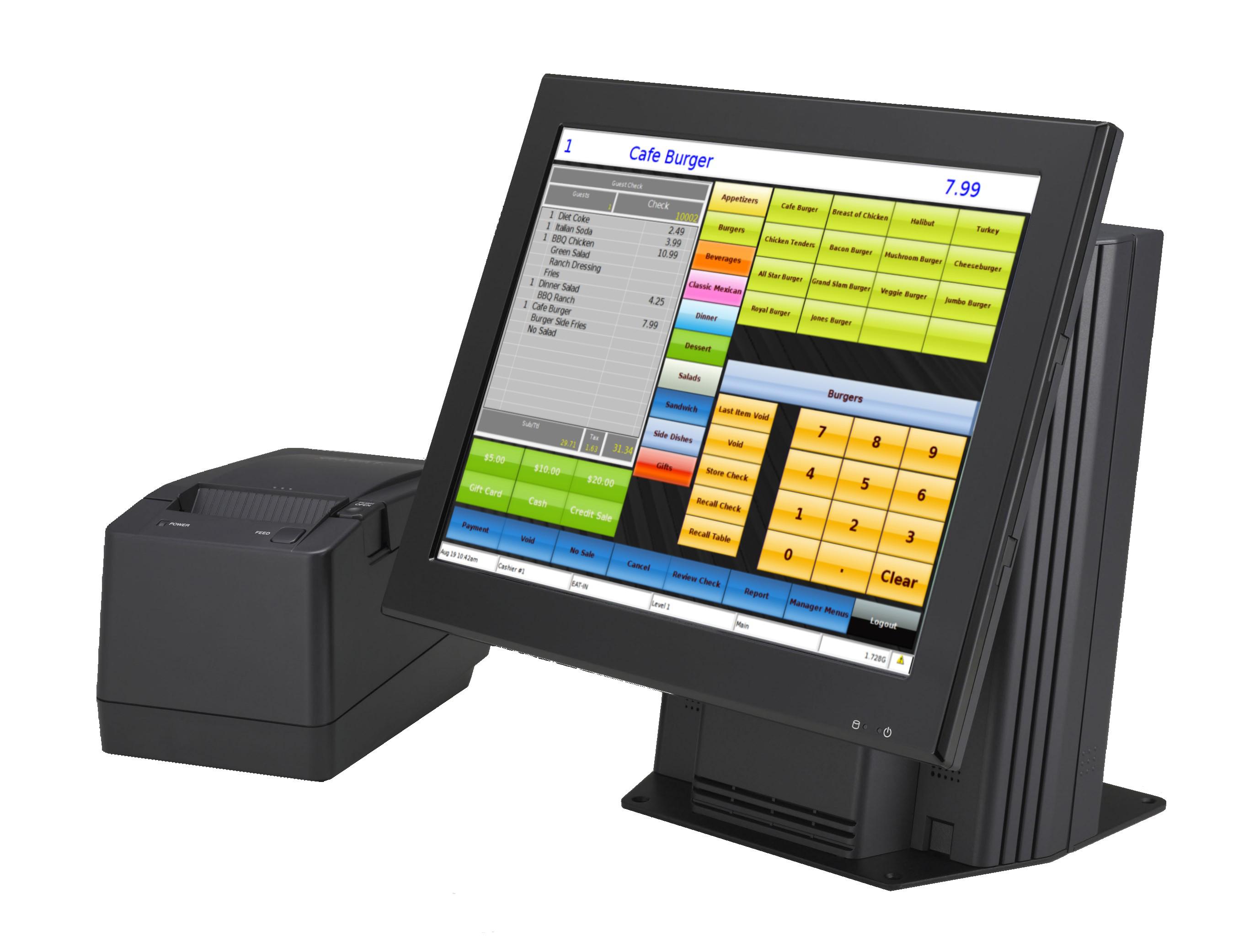
In today’s global retail environment, many stores serve customers who use different currencies. Handling multi-currency transactions manually can be complicated, prone to errors, and time-consuming. Modern POS systems simplify the process, enabling retailers to accept multiple currencies efficiently while providing accurate pricing, conversions, and records.
Challenges of Multi-Currency Transactions
Retailers without advanced POS systems often face challenges such as:
-
Manual Conversion Errors: Calculating exchange rates manually can lead to mistakes and financial loss.
-
Slow Checkout Process: Manually handling different currencies increases waiting time for customers.
-
Complex Accounting: Tracking sales, taxes, and profits in multiple currencies can complicate accounting.
-
Customer Dissatisfaction: Confusing transactions or incorrect change can harm the customer experience.
How POS Systems Manage Multi-Currency Transactions
-
Automatic Currency Conversion
POS systems automatically convert prices based on real-time exchange rates. This ensures accurate pricing for customers paying in different currencies and reduces manual calculation errors. -
Multi-Currency Payment Acceptance
Modern POS platforms allow customers to pay using cards, digital wallets, or cash in different currencies. This flexibility improves the shopping experience and attracts international customers. -
Accurate Reporting and Accounting
POS systems generate reports that account for currency conversions and sales across different currencies. Retailers can track profits, taxes, and refunds accurately without manual adjustments. -
Simplified Refunds in Original Currency
For returns, POS systems process refunds in the currency of the original transaction, ensuring accuracy and reducing confusion for both customers and staff. -
Consistent Pricing Across Channels
Multi-currency POS solutions maintain consistent pricing whether customers shop in-store or online, preventing discrepancies and disputes.
Benefits for Retailers
-
Improved Customer Experience: International customers can pay in their preferred currency without hassle.
-
Reduced Errors: Automated conversions and payments minimize human mistakes.
-
Efficient Operations: Faster checkouts and accurate reporting save time for staff and management.
-
Competitive Advantage: Offering multi-currency payments attracts a broader customer base and increases sales potential.
Best Practices for Managing Multi-Currency Transactions
-
Use Real-Time Exchange Rates: Ensure the POS system updates rates regularly to avoid losses.
-
Train Staff Properly: Employees should know how to handle multi-currency payments and refunds efficiently.
-
Monitor Currency Trends: Track fluctuations and adjust pricing strategies if necessary.
-
Maintain Clear Receipts: Provide customers with receipts showing the currency used, conversion rates, and total paid.
Mhouse: POS Solutions for Multi-Currency Retail
Retailers can simplify multi-currency transactions with Mhouse POS systems. Mhouse supports:
-
Multiple currency acceptance
-
Automatic real-time conversions
-
Accurate sales and tax reporting
-
Streamlined refunds in the original currency
With Mhouse, retailers can confidently serve international customers, improve checkout efficiency, and maintain accurate financial records.
Conclusion
Managing multi-currency transactions is critical for retailers catering to a diverse customer base. POS systems simplify this process, reduce errors, and enhance the shopping experience. Platforms like Mhouse provide the tools needed to handle multiple currencies effectively, improve operations, and increase customer satisfaction in a global retail market.

 English
 French
 Spanish
 Portuguese
 Deutsch
 Turkish
 Dutch
Dutch
 Italiano
 Russian
 Romaian
 Portuguese (Brazil)
 Greek
Greek