
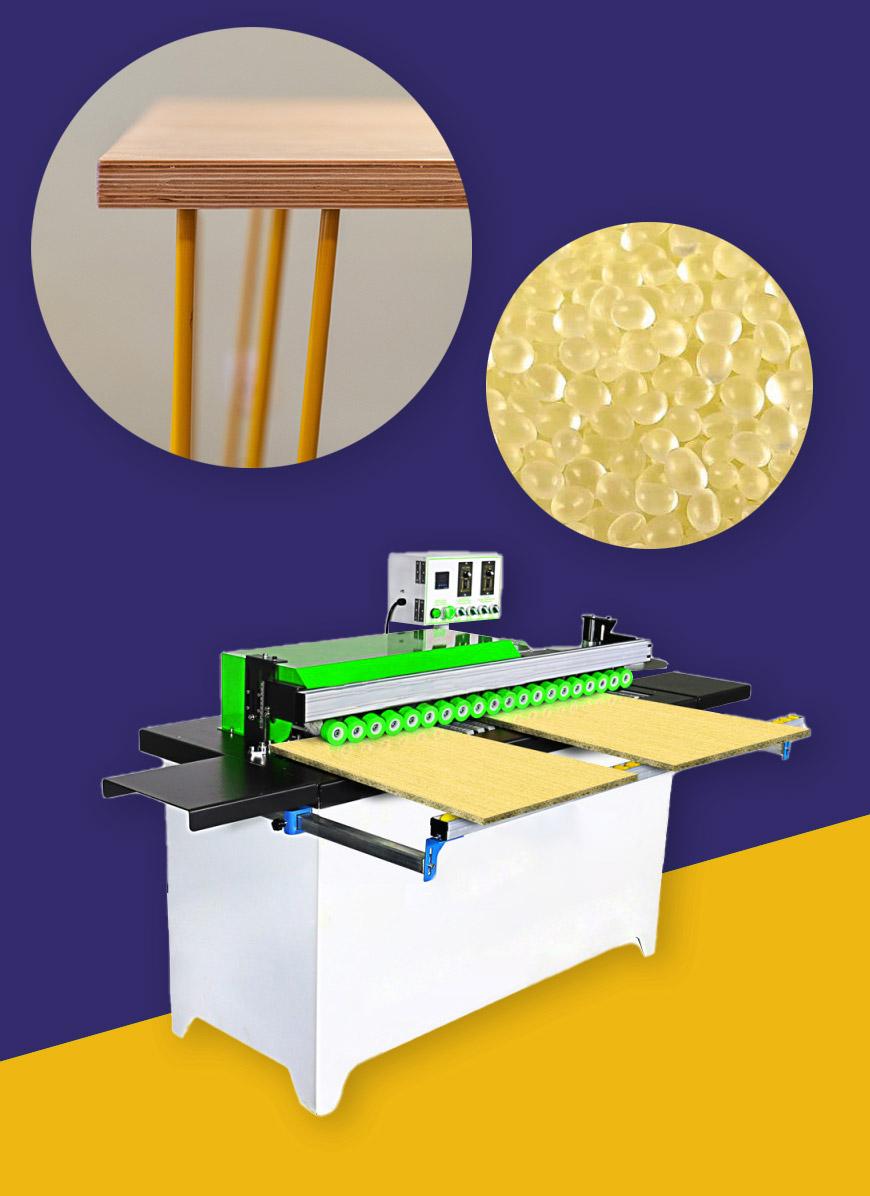
The Ultimate Guide to Woodworking Adhesives — Superbond’s Expert Insights
Whether you’re a seasoned woodworker or taking on your first DIY project, choosing the right adhesive is as important as selecting the wood itself. In the world of woodworking, not all glues are equal — and understanding their strengths can mean the difference between a masterpiece that lasts and a joint that fails. In this comprehensive guide, Superbond Adhesive Manufacturing explains everything you need to know about woodworking adhesives — from types and applications to professional tips for long-lasting bonds.
📌 Introduction: Why Woodworking Adhesives Matter
Woodworking is both an art and a science. Whether building furniture, cabinetry, or home décor, structural integrity depends heavily on the adhesive used. The right wood glue doesn’t just stick pieces together — it enhances strength, resists moisture, and improves longevity. With the rise of precision woodworking and creative joinery techniques, adhesives have evolved far beyond simple “sticky stuff.” Today’s woodworking adhesives are engineered to deliver performance that matches or exceeds mechanical fastening.
🧰 Types of Woodworking Adhesives
1. PVA Glue (Polyvinyl Acetate)
Often called “wood glue,” PVA adhesives are the most widely used in woodworking. They are water-based, easy to apply, and dry clear.
Best for:
✔ General furniture making
✔ Small crafts and models
Pros:
– Non-toxic and easy to clean
– Strong bond for softwoods/hardwoods
Cons:
– Not suitable for high-moisture areas
2. Polyurethane Glue
Polyurethane adhesives expand slightly as they cure, allowing them to fill gaps well.
Best for:
✔ Outdoor furniture
✔ Projects exposed to humidity
Pros:
– Waterproof
– Bonds wood to other materials (metal, stone)
Cons:
– Short open time (work fast!)
3. Epoxy Adhesives
Epoxy is a two-part adhesive with exceptional strength and gap-filling properties.
Best for:
✔ Structural repairs
✔ High-stress joints
Pros:
– Waterproof and extremely strong
– Works well with dissimilar materials
Cons:
– More expensive and requires mixing
4. Cyanoacrylate (CA) Glue
Also known as “super glue,” this adhesive works in seconds.
Best for:
✔ Small joints or quick fixes
Pros:
– Fast setting
– Great for small or delicate work
Cons:
– Not ideal for large surfaces
🧪 Choosing the Right Adhesive for Your Project
Selecting the best adhesive shouldn’t be guesswork. Here’s how to decide:
Assess Moisture Exposure
For outdoor or damp environments, choose waterproof adhesives like polyurethane or marine-grade epoxy.
Consider Work Time
If you need more time to reposition parts, avoid fast-setting glues like CA. Look for slower curing adhesives like PVA.
Match Wood Type
Dense hardwoods may require stronger adhesives like epoxy. Softer woods bond well with PVA.
Composite and Mix Materials
Adhesives that bond wood to metal, plastic, or stone (e.g., polyurethane or epoxy) are ideal when mixing materials.
🔧 Best Practices for Applying Woodworking Adhesives
1. Surface Prep is Key
Ensure surfaces are clean, dry, and free from dust. Light sanding improves adhesion.
2. Use the Right Amount
More is not always better — excess glue can weaken joints and cause messy squeeze-out.
3. Clamp Properly
Even pressure leads to better bonds. Use clamps and allow proper cure time.
4. Follow Cure Time
Adhesives need time to reach full strength. Be patient — removing clamps too early weakens the bond.
💡 Superbond’s Pro Tips for Maximum Bond Strength
Tip #1: Match Glue to Project Conditions
Outdoor woodwork demands weather-resistant adhesives. Indoors, traditional PVAs shine.
Tip #2: Store Glue Correctly
Humidity and temperature affect adhesive performance. Store in a cool, dry place.
Tip #3: Test Before Big Projects
Do a small test joint to understand how each adhesive behaves with your specific wood.
🔎 SEO Best Practices (Rank Math & Guest Posting Rules)
To ensure this blog ranks well and meets guest post quality standards (like those typically expected by technology and tutorial blogs such as Tikcotech, though specific guidelines aren’t publicly available), here’s what to follow:
1. Keyword Optimization
-
Focus keyword: woodworking adhesives
-
Include this naturally in the title, meta description, first paragraph, and subheadings.
-
Avoid keyword stuffing.
2. Content Quality
-
Ensure content is original, helpful, and unmatched elsewhere online.
-
Use clear explanations, actionable tips, and real use-cases.
3. On-Page SEO Essentials
-
Title tag: Keep under 60 characters.
-
Meta description: Around 150–160 characters (see above).
-
Headers (H1, H2, H3): Structure content logically.
-
Internal/External Links: Include where relevant, but don’t overdo it.
4. Guest Posting Best Practices
-
Many editors expect unique content that adds genuine value rather than promotional material.
-
Include a concise, professional author bio with one branded link.
-
Avoid excessive outbound links and commercial anchor text.
-
Content should be informative (not purely marketing) and relevant to the audience.
🧾 Conclusion: The Bond That Lasts
Whether you’re repairing a cherished heirloom or crafting brand-new furniture, understanding woodworking adhesives is essential. From classic PVA glue to epoxy’s unbeatable strength, each adhesive has a role. At Superbond Adhesive Manufacturing, we believe that choosing the right glue is the first step toward exceptional woodworking. Use this guide to make informed decisions and create projects that stand the test of time.
Let your creativity flow — and let your joints hold strong with Superbond.

 Arabic
 French
 Spanish
 Portuguese
 Deutsch
 Turkish
 Dutch
Dutch
 Italiano
 Russian
 Romaian
 Portuguese (Brazil)
 Greek
Greek