
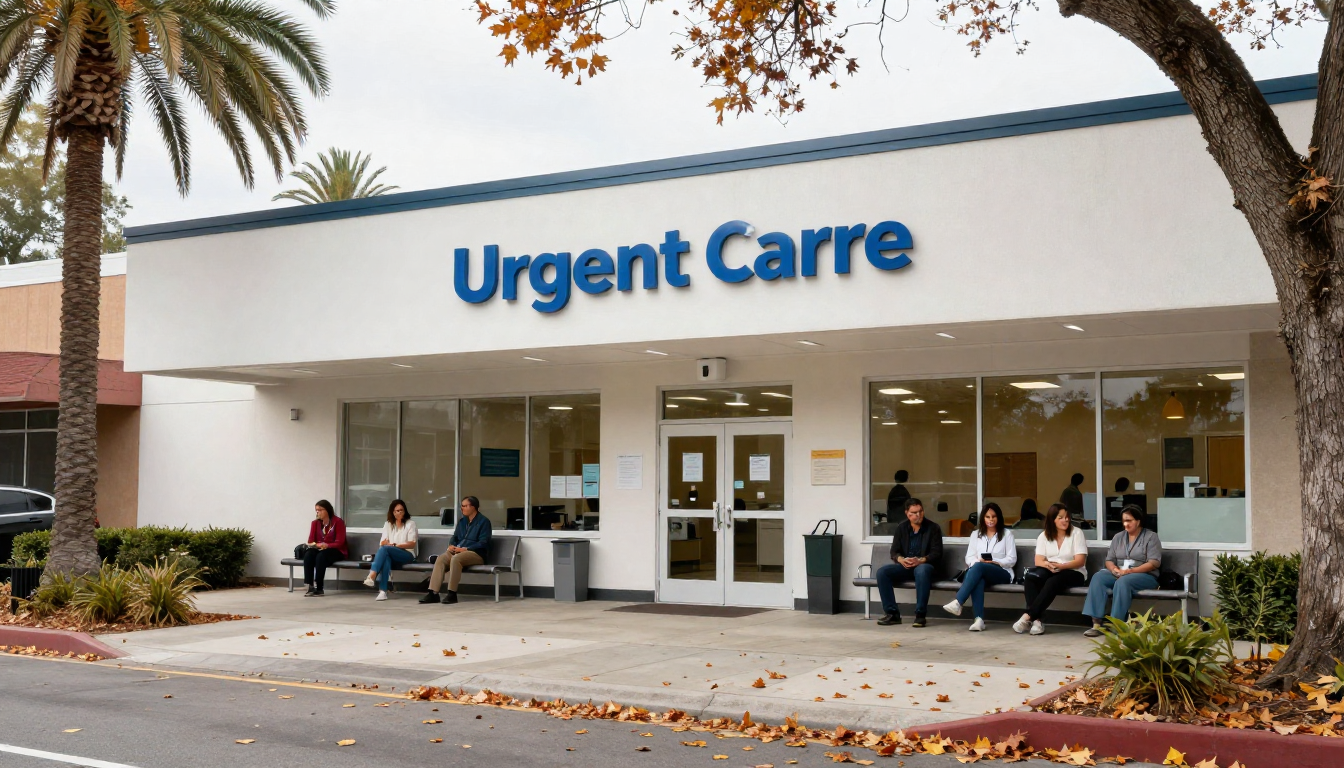
Emergency departments across the United States serve as the frontline of healthcare, providing immediate care for life-threatening conditions, trauma, and urgent medical needs. Among them, one hospital in Dallas, Texas, consistently ranks as the busiest in the nation. With hundreds of thousands of patient visits annually, this facility has become a cornerstone of public health, not only for Dallas County but for the broader region. This article explores its operations, challenges, innovations, and impact on the community, drawing insights from leading healthcare reports and analyses.
The Scale of Emergency Care
- Patient Volume: In 2022, the hospital recorded more than 226,000 emergency department visits, making it the busiest in the country for the third consecutive year. This figure surpasses other large hospitals, including Lakeland Regional Medical Center in Florida, by more than 20,000 visits annually.
- National Ranking: According to Becker’s Hospital Review, this facility has consistently led the nation in emergency visits, highlighting both its critical role and the immense demand placed on its resources.
- Local Impact: Serving Dallas County, the hospital functions as a safety-net provider, ensuring care for uninsured and underinsured populations who might otherwise lack access to emergency services.
Infrastructure and Facilities
- Location: Situated on Harry Hines Boulevard in Dallas, the hospital’s emergency department is strategically placed to serve both urban and suburban populations.
- Capacity: The department operates 24/7 with board-certified physicians, medical residents, mid-level providers, and registered nurses.
- Specialized Units: Trauma services, psychiatric emergency care, and pediatric emergency medicine are integrated within the department, ensuring comprehensive coverage for diverse patient needs.
Staffing and Expertise
- Medical Team: The emergency department is staffed by highly trained professionals, including emergency medicine specialists, trauma surgeons, and critical care nurses.
- Training Hub: As a teaching hospital, it hosts medical residents and fellows, contributing to the education of future healthcare providers.
- Community Role: Staff are trained not only in clinical expertise but also in cultural competency, reflecting the diverse demographics of Dallas County.
Patient Demographics
- Socioeconomic Diversity: A significant portion of patients are uninsured or underinsured, relying on the hospital as their primary source of emergency care.
- Age Range: Patients span all age groups, from infants requiring pediatric emergency services to elderly individuals with complex chronic conditions.
- Public Health Role: The hospital often manages cases linked to broader social determinants of health, including poverty, housing instability, and limited access to preventive care.
Operational Challenges
- Overcrowding: With more than 600 patients arriving daily, overcrowding remains a persistent issue.
- Wait Times: Average wait times fluctuate depending on patient volume, acuity, and staffing levels. Reports suggest that while urgent cases are prioritized, non-critical patients may experience extended delays.
- Resource Allocation: Balancing staff, equipment, and space to meet demand is a constant challenge, particularly during flu season or public health crises.
Innovations in Emergency Care
- Telemedicine Integration: The hospital has adopted telehealth solutions to triage patients more efficiently, reducing unnecessary ER visits.
- Data Analytics: Advanced analytics help predict patient surges, enabling better staffing and resource planning.
- Community Outreach: Programs aimed at educating residents about when to seek emergency care versus urgent care have helped reduce strain on the department.
National Context
Emergency departments nationwide face similar challenges, but few match the scale of Dallas’s busiest hospital:
- Comparison: While Lakeland Regional Medical Center in Florida and John Peter Smith Hospital in Fort Worth also rank among the busiest, none consistently surpass the Dallas facility’s patient volume.
- Public Health Role: As a safety-net hospital, it mirrors the mission of other large urban hospitals across the country, serving vulnerable populations with limited healthcare access.
Financial Considerations
- Funding Sources: The hospital relies heavily on county funding, Medicaid reimbursements, and federal support to sustain operations.
- Cost of Care: Emergency care is among the most expensive forms of healthcare delivery. Balancing financial sustainability with the mission to serve all patients remains a delicate task.
- Economic Impact: Beyond healthcare, the hospital contributes significantly to the local economy through employment and training programs.
Community Engagement
- Preventive Programs: Initiatives such as vaccination drives, health screenings, and chronic disease management aim to reduce emergency visits.
- Partnerships: Collaborations with local clinics and nonprofits help extend care beyond the hospital walls.
- Education: Public campaigns inform residents about recognizing emergencies, accessing urgent care, and managing chronic conditions.
Case Studies and Statistics
- Trauma Care: The hospital is a Level I trauma center, handling thousands of trauma cases annually, from motor vehicle accidents to gunshot wounds.
- Mental Health: Psychiatric emergencies represent a growing portion of visits, reflecting national trends in mental health crises.
- Pediatrics: Pediatric emergency services are critical, with specialized staff addressing conditions ranging from respiratory infections to injuries.
Midpoint Insight
In examining the operations of this facility, it becomes clear why the parkland emergency department has become a focal point of national healthcare discussions. Its sheer scale, combined with its role as a safety-net provider, underscores both the strengths and challenges of emergency care in America.
Future Outlook
- Population Growth: Dallas County’s population continues to grow, suggesting that demand for emergency services will only increase.
- Technology: Expanding telemedicine and AI-driven triage systems may help alleviate overcrowding.
- Policy: Federal and state policies around Medicaid expansion and healthcare funding will significantly impact the hospital’s ability to sustain operations.
Conclusion
Emergency departments are vital to the healthcare system, and the Dallas facility stands as a testament to both the promise and the pressure of modern emergency care. With unmatched patient volume, a diverse population, and a commitment to serving all who enter its doors, it remains a critical institution for the region and the nation. The challenges of overcrowding, funding, and resource allocation are real, but so too are the innovations and community partnerships that point toward a more sustainable future. As healthcare continues to evolve, this hospital’s emergency department will remain at the heart of the conversation, shaping how America responds to urgent medical needs.

 English
 Arabic
 French
 Spanish
 Portuguese
 Deutsch
 Turkish
 Dutch
Dutch
 Russian
 Romaian
 Portuguese (Brazil)
 Greek
Greek