
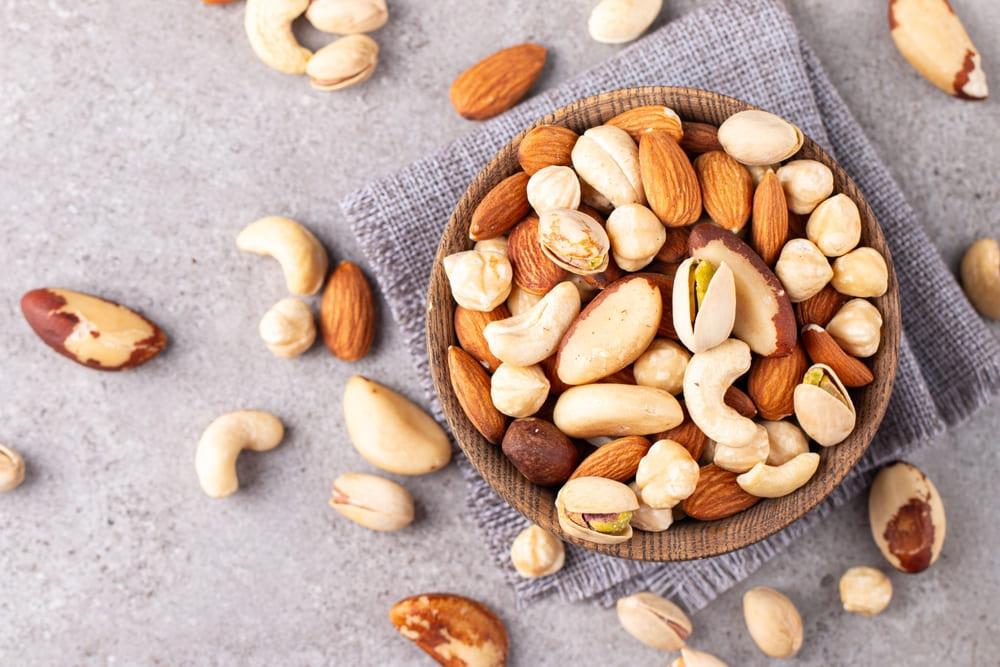
Choosing the right foods is an important part of a healthy lifestyle. Fruits are often the first choice when people think about nutrition. They are natural, colorful, and full of essential nutrients. However, many people feel confused when deciding between fresh fruits and dry fruits. Both options offer health benefits, but they differ in composition and impact. Understanding these differences helps you make smarter dietary choices.
Fresh fruits and dry fruits both come from nature, yet their processing changes how they nourish the body. One contains high water content, while the other is more concentrated. Each serves a different purpose in daily meals. This guide explains their nutritional differences in a simple and practical way. By the end, you will know how to use both wisely.
Understanding Fresh Fruits and Their Nutritional Value
Fresh fruits are rich in water, vitamins, and natural fiber. They support hydration and digestion at the same time. Most fresh fruits contain vitamin C, potassium, and antioxidants. These nutrients help strengthen immunity and support heart health. Because of their high water content, fresh fruits are low in calories. This makes them ideal for people watching their weight.
Another benefit of fresh fruits is their natural sweetness. They satisfy sugar cravings without added sugars. The fiber in fresh fruits slows digestion and keeps blood sugar levels steady. Eating fresh fruits regularly supports skin health and energy levels. Their refreshing taste also makes them easy to include in meals and snacks.
How Fresh Fruits Support Daily Wellness
Fresh fruits provide quick nourishment without heaviness. They help cleanse the body and improve gut health. Their water content supports hydration throughout the day.
They are also easy to digest for most people. This makes them suitable for all age groups. Fresh fruits work best when eaten whole and in season.
What Makes Dry Fruits Nutritionally Dense
Dry fruits are fruits that have had most of their water removed. This process concentrates nutrients into a smaller size. As a result, they provide more calories, fiber, and minerals per serving. Dry fruits are known for their long shelf life and rich taste. They are often used as energy boosters and nutrient dense snacks.
Because they are concentrated, dry fruits contain higher amounts of iron, calcium, and healthy fats. They also provide natural sugars that offer quick energy. However, portion control is important due to their calorie density. When eaten mindfully, they support strength and stamina.
Why Concentration Changes Nutritional Impact
Removing water increases nutrient density. This makes dry fruits more powerful in smaller amounts. A few pieces provide the same nutrition as larger portions of fresh fruits.
This concentration also means higher sugar content per bite. Balance and moderation help maximize benefits. Dry fruits work best as part of a balanced diet.
Comparing Calories and Energy Levels
Fresh fruits are low in calories because of their water content. You can eat larger portions without worrying about excess energy intake. This makes them suitable for weight management and hydration. They provide gentle and steady energy throughout the day.
In contrast, Dry fruits contain more calories in smaller portions. They are ideal for people needing quick energy or higher nutrition. Athletes and active individuals often prefer them for this reason. However, overeating can lead to excess calorie intake. Portion awareness is key for healthy use.
Choosing Based on Lifestyle Needs
Sedentary lifestyles benefit more from fresh fruits. They offer volume without excess calories. Active lifestyles can benefit from dry fruits.
Understanding your energy needs helps guide choices. Both options can fit different routines. The key lies in balance.
Fiber Content and Digestive Health
Fiber plays a crucial role in digestion and gut health. Fresh fruits contain soluble and insoluble fiber that aids bowel movement. This helps prevent constipation and supports gut bacteria. Their fiber content also slows sugar absorption.
Dry fruits offer higher fiber per gram due to concentration. This makes them effective for improving digestion. However, too much fiber at once can cause discomfort. Drinking enough water helps balance this effect. Moderation ensures digestive comfort.
Managing Fiber Intake Wisely
Fiber supports long term gut health. Fresh fruits provide gentle fiber for daily use. Dry fruits provide concentrated fiber for specific needs.
Mixing both types prevents digestive issues. Listening to your body helps adjust intake. Balanced fiber intake supports overall wellness.
Vitamins, Minerals, and Antioxidants
Fresh fruits are rich in vitamin C and antioxidants. These nutrients support immunity and skin health. Many vitamins are sensitive to heat and drying. As a result, some vitamin content reduces during drying.
However, Dry fruits retain minerals like iron, magnesium, and calcium. They also contain antioxidants that support cellular health. This makes them valuable for bone strength and energy. Both types offer different micronutrients. Variety ensures broader nutritional coverage.
Nutrient Retention and Loss
Drying affects water soluble vitamins. Minerals remain mostly intact. This creates different nutritional profiles.
Fresh fruits excel in hydration and vitamin C. Dry fruits excel in minerals and energy. Combining both enhances diet quality.
Sugar Content and Blood Sugar Impact
Fresh fruits contain natural sugars balanced with water and fiber. This slows sugar absorption into the bloodstream. They are suitable for most people when eaten whole. Portion size remains forgiving.
Dry fruits contain higher sugar concentration per serving. This can raise blood sugar levels quickly if overconsumed. However, their fiber helps slow absorption when eaten properly. Pairing them with protein improves balance. Mindful intake supports blood sugar control.
Making Smart Choices for Sugar Balance
People sensitive to sugar should monitor portions. Fresh fruits offer safer large servings. Dry fruits work better in small amounts.
Timing also matters. Eating dry fruits earlier in the day helps energy use. Awareness leads to better control.
Practical Ways to Include Both in Your Diet
Fresh fruits work well as snacks, breakfast sides, and desserts. They add freshness and hydration to meals. Smoothies and salads benefit from their texture and taste. Seasonal choices improve nutrition and enjoyment.
Dry fruits are best used as toppings or small snacks. Add them to oatmeal, yogurt, or trail mixes. They enhance flavor and nutrition without bulk. Combining both types creates balanced meals. Variety keeps eating enjoyable and nutritious.
Creating a Balanced Fruit Routine
Balance comes from mixing options. Fresh fruits hydrate and refresh. Dry fruits strengthen and energize.
Rotate based on activity and needs. This flexibility supports long term health. Consistency matters more than perfection.
Final Thoughts on Choosing the Right Option
Fresh fruits and dry fruits both offer valuable nutrition. Neither is better in every situation. Fresh fruits support hydration and weight control. Dry fruits support energy and nutrient density. Understanding their differences empowers better decisions.
A healthy diet includes both in appropriate amounts. Focus on variety, portion control, and timing. Small adjustments lead to big improvements over time. Nourishing the body becomes easier with knowledge. Balanced choices create lasting wellness.

 English
 French
 Spanish
 Portuguese
 Deutsch
 Turkish
 Dutch
Dutch
 Italiano
 Russian
 Romaian
 Portuguese (Brazil)
 Greek
Greek