
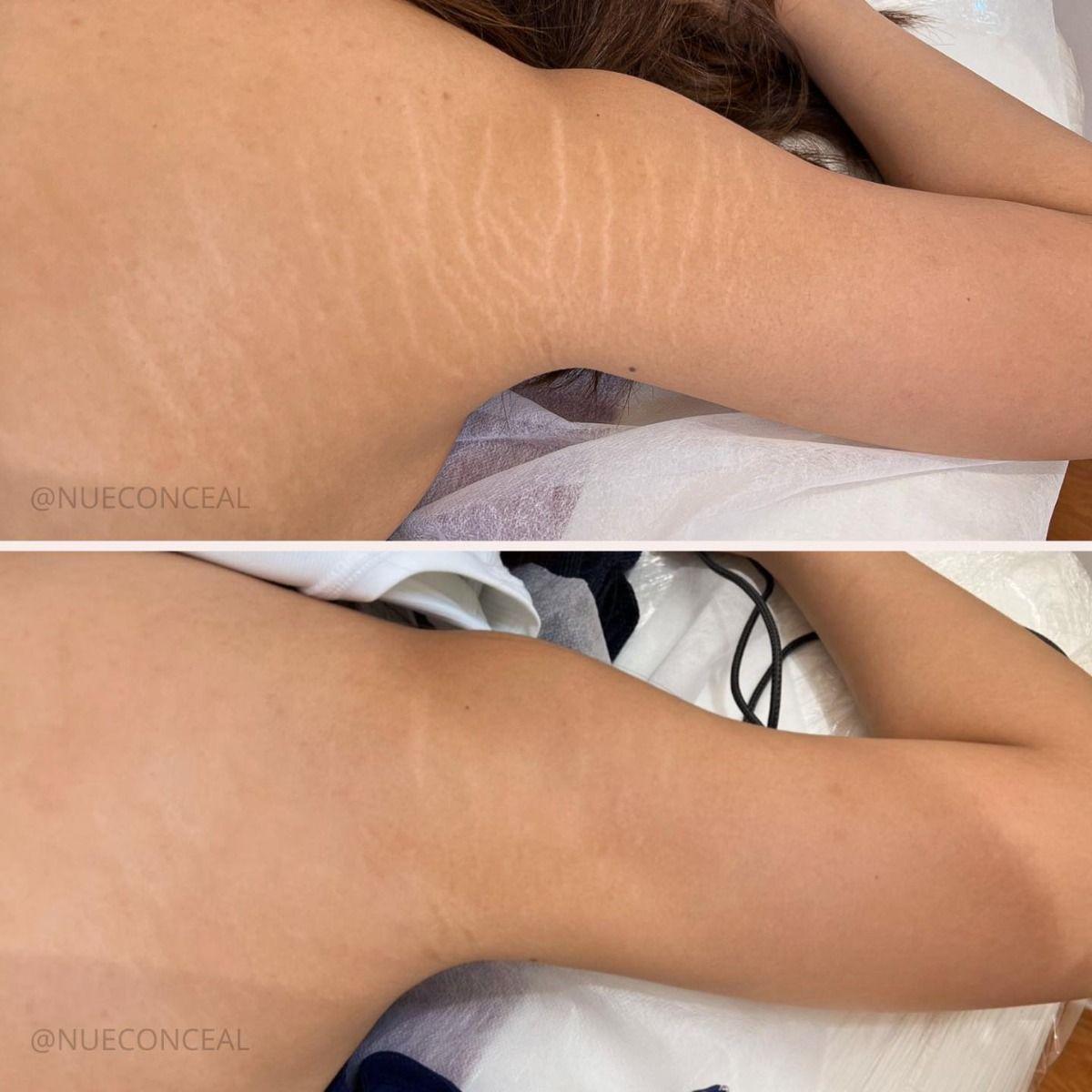
Stretch marks are a common skin concern that affects people of all ages, genders, and body types. They often appear after rapid weight changes, pregnancy, or growth spurts and can impact self-esteem and body confidence.
While creams and cosmetic procedures may offer limited improvement, a growing trend in body art—stretch mark tattoo camouflage—provides an innovative and permanent solution. This technique has evolved significantly in recent years, offering individuals a creative way to transform their skin into a work of art while concealing imperfections.
Understanding Stretch Mark Tattoo Camouflage
Stretch mark tattoo camouflage is a specialized tattooing technique designed to blend stretch marks into the surrounding skin. Unlike traditional tattoos that primarily focus on aesthetic design, this approach uses color-matching, shading, and texturing methods to create a natural, seamless look.
The process begins with a thorough skin assessment, as each person’s stretch marks differ in depth, color, and location. Tattoo artists trained in this field carefully evaluate these factors to choose the right pigments and techniques.
The primary goal of stretch mark tattoo camouflage is to restore the uniformity of the skin’s appearance. Artists often use a combination of skin-toned inks and artistic shading techniques to reduce the visibility of stretch marks. The result is a subtle enhancement rather than an overt tattoo, allowing the skin to regain a smooth and even look.
Innovative Techniques in Stretch Mark Tattoo Camouflage
The art of stretch mark tattoo camouflage has progressed due to innovations in tattoo technology and artistic methods. Some of the most effective techniques include:
1. Color-Matching and Pigment Blending
One of the most critical aspects of this technique is precise color-matching. Tattoo artists select pigments that closely resemble the client’s natural skin tone, taking into account undertones and variations. By layering these pigments with careful blending, the stretch marks gradually become less noticeable. Advanced machines and micro-needling tools allow for precise pigment placement, ensuring that the result looks natural.
2. 3D and Textured Camouflage
Some tattoo artists employ 3D or textured techniques to mimic the natural contours of the skin. This involves adding subtle highlights and shadows to stretch marks, creating a realistic depth effect. The illusion of texture helps distract the eye and draws attention away from the imperfections. For many clients, this approach not only hides stretch marks but also adds an artistic touch that enhances body confidence.
3. Floral and Patterned Designs
In some cases, clients opt to incorporate creative designs into their stretch mark tattoo camouflage. Floral patterns, mandalas, or abstract designs can cover larger areas of stretch-marked skin while turning them into beautiful, personalized artwork.
These designs are particularly popular for regions like the stomach, thighs, and arms, where stretch marks are common. By integrating artistic elements, tattoos can simultaneously conceal and beautify the skin.
4. Micropigmentation for Light Stretch Marks
Micropigmentation, also known as permanent makeup or medical tattooing, is particularly effective for lighter or newer stretch marks. This method deposits tiny amounts of pigment into the superficial layers of the skin, gradually blending the affected area with surrounding tissue. The results are subtle, natural, and long-lasting, making it a preferred option for those who want minimalistic camouflage.
5. Laser-Assisted Tattooing
A newer innovation in stretch mark concealment combines laser treatments with tattooing. Laser therapy can help reduce the redness or discoloration of stretch marks before tattooing. Once the skin tone is more uniform, stretch mark tattoo techniques can be applied with greater precision and lasting results. This combination approach maximizes effectiveness, particularly for older or more severe stretch marks.
Choosing the Right Artist
Finding a skilled and experienced tattoo artist is crucial for successful mark tattoo camouflage. Unlike traditional tattoos, this procedure requires knowledge of skin pigmentation, dermatology, and advanced tattooing techniques. Prospective clients should look for artists who specialize in medical or cosmetic tattooing and review before-and-after portfolios. A consultation allows the artist to assess the skin, discuss realistic expectations, and create a personalized plan.
Preparing for the Procedure
Proper preparation is key to achieving the best results in mark tattoo camouflage. Clients should ensure their skin is well-hydrated and free of irritation before the procedure. Some artists recommend avoiding sun exposure and certain skincare products for a few days prior. Additionally, discussing pain tolerance, session length, and aftercare is essential to ensure a smooth and safe experience.
Benefits of Stretch Mark Tattoo
The benefits of stretch mark tattoo extend beyond aesthetic improvement. For many individuals, concealing stretch marks can lead to enhanced self-esteem and confidence. Clothing choices may become less restricted, and activities like swimming or wearing revealing attire can feel more comfortable. Furthermore, the technique is permanent, providing a long-term solution without the need for ongoing treatments or creams.
Another advantage is customization. Each tattoo is tailored to the individual’s skin tone, stretch mark pattern, and personal style. Whether subtle or artistic, the result is unique and designed to complement the client’s body rather than drawing attention to imperfections.
Aftercare and Longevity
Aftercare plays a vital role in maintaining the results of stretch mark camouflage. Clients should follow the artist’s instructions carefully, which typically include keeping the area clean, avoiding direct sunlight, and applying recommended ointments. Healing times vary, but most stretch mark tattoos require several weeks to fully settle and reveal the final effect. Touch-ups may be necessary to ensure perfect color matching and longevity.
Conclusion
Innovative tattoo techniques have transformed the way people address stretch marks, offering creative and effective solutions through stretch mark tattoo camouflage. From color-matching and micropigmentation to 3D texturing and artistic designs, these methods provide both concealment and aesthetic enhancement. Choosing the right artist, preparing properly, and following aftercare instructions are essential for achieving optimal results.
For anyone struggling with the appearance of stretch marks, this approach represents more than just cosmetic improvement—it offers empowerment, confidence, and a way to embrace the body fully. With ongoing advancements in tattoo technology and techniques, tattoo camouflage is becoming an increasingly popular and viable option for individuals seeking long-term, personalized solutions.

 Arabic
 French
 Spanish
 Portuguese
 Deutsch
 Turkish
 Dutch
Dutch
 Italiano
 Russian
 Romaian
 Portuguese (Brazil)
 Greek
Greek