
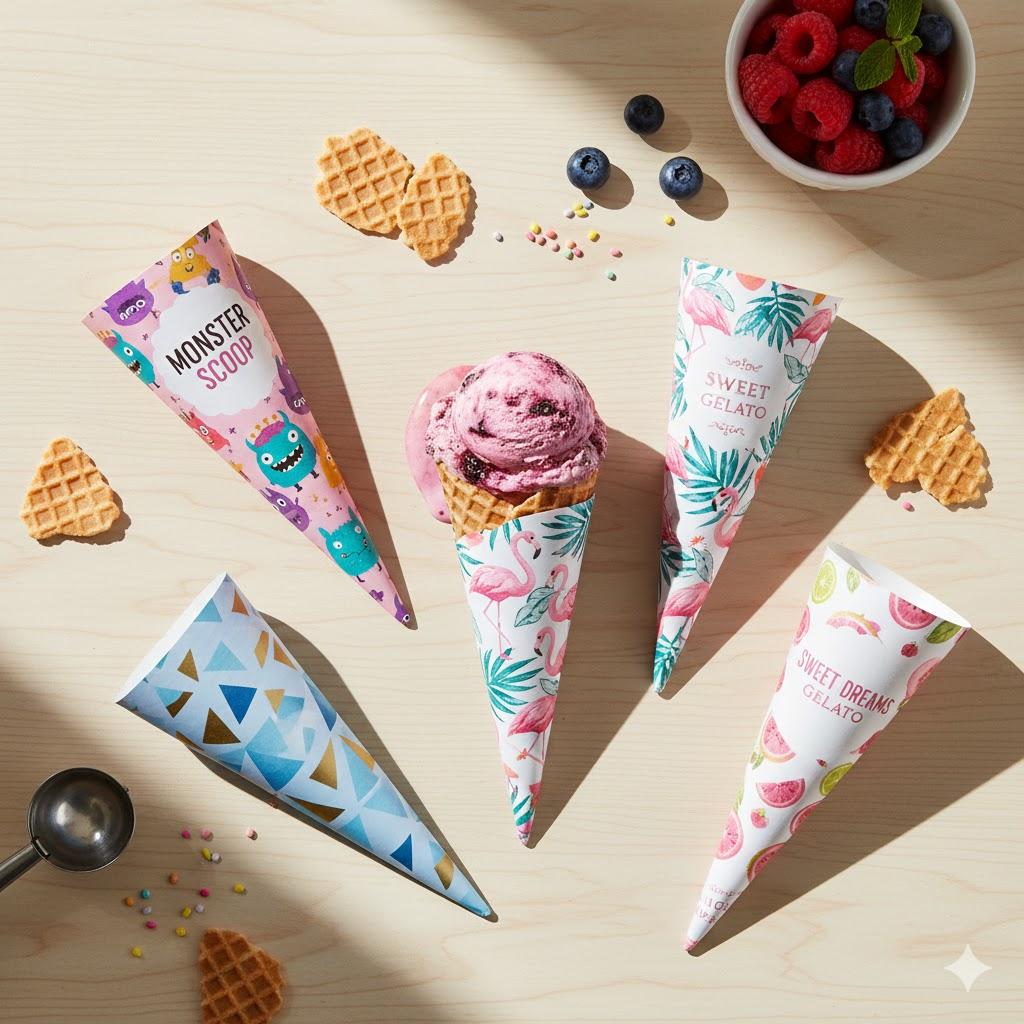
Desserts end foods on a high note when restaurants present them well. Most guests remember how their final course looked on plates or bowls. Good dessert presentation impact shows up in customer reviews and repeat visits. Simple changes to plating can make ordinary sweets look restaurant quality instantly. Colors and textures work together to create visual interest before anyone tastes. Many restaurants miss easy chances to impress guests with better dessert displays. Learning a few basic techniques helps any kitchen staff improve results fast. This guide covers practical methods that boost how guests feel about desserts.
Why Do Colors on Plates Matter So Much?
Bright colors grab attention faster than plain white or brown desserts do. Berries add red and purple shades that contrast nicely with cream colors. Mint leaves bring green freshness that makes chocolate desserts pop more visually. Yellow lemon zest brightens up dark cakes and makes them look livelier. Mixing three different colors creates balance without overwhelming guest eyes at all. Dark plates make light desserts stand out while white plates suit colorful items. Color choices affect whether guests take photos to share with friends later. Your desserts look more expensive when you plan color combinations thoughtfully beforehand.
How Does Height Change Guest Perception of Value?
Tall desserts appear more impressive than flat ones spread across wide plates. Stacking cookies or cake layers adds drama that catches guest attention quickly. Vertical arrangements make standard serving sizes look bigger than they actually are. Ice cream scoops placed on top of brownies create interesting dimensions easily. Using tall glasses for parfaits lets guests see all layers you built. Height works best when desserts stay stable and do not fall over. Guests feel they get more value when desserts have visual presence. Your kitchen can achieve height without adding extra ingredients or raising costs.
What Role Does Sauce Placement Play in Visual Appeal?
Drizzling sauce creates movement that guides eyes around plates in pleasant ways. Dots or lines of sauce add professional touches that home cooks rarely do. Caramel or chocolate sauce should enhance rather than hide dessert main features. Pooling sauce on one side keeps desserts from getting soggy too fast. Guests appreciate when they control how much sauce mixes with each bite. Contrasting sauce colors against dessert bases creates striking visual effects that impress. Sauce patterns show care and attention that separate good restaurants from average. Your dessert presentation impact grows stronger when sauces look intentional and clean.
How Can Garnishes Elevate Simple Desserts Effectively?
Small garnishes transform basic desserts into items worth higher menu prices quickly. Powdered sugar dusted over cakes adds elegance without changing flavors much. Fresh fruit slices bring color and show guests you use quality ingredients. Whipped cream rosettes take seconds to pipe but look very sophisticated always. Edible flowers work well for special occasions when guests want memorable experiences. Garnishes must be fresh because wilted items make everything look careless instead. Too many garnishes clutter plates and confuse rather than enhance your desserts. Your goal involves picking one or two garnishes that complement without overpowering.
Why Should Temperature Contrast Get More Attention Today?
Serving hot desserts with cold ice cream creates exciting contrasts guests remember. Frozen elements stay firm longer when you chill plates before plating anything. Room temperature cakes pair nicely with chilled fruit compotes for variety purposes. Temperature differences add another layer to dessert presentation impact beyond just looks. Guests notice when warm molten centers flow out of chocolate cakes perfectly. Cold elements prevent guests from burning mouths on freshly baked hot items. Planning temperatures shows you think about complete eating experiences, not just appearance. Your desserts become more interesting when multiple temperatures happen in single servings.
How Do Proper Portions Affect Guest Satisfaction Rates?
Right sized servings prevent guests from feeling too full or still hungry. Smaller elegant portions work better than huge servings for upscale dining experiences. Guests often skip dessert when they expect portions will be too large. Clear ramekins or small plates signal appropriate sizes before anyone orders anything. Portion control keeps food costs predictable while maintaining consistent quality standards always. Guests finish desserts more often when sizes match their actual appetite levels. Using ice cream cone paper sleeves helps control portions for handheld frozen desserts. Your restaurant benefits when guests leave satisfied rather than uncomfortably stuffed or wanting.
What Makes Texture Variety Important for Dessert Success?
Combining crunchy and smooth textures keeps each bite interesting for guest mouths. Crumbled cookies over pudding add contrast that plain desserts lack completely today. Toasted nuts bring unexpected crunch to soft cakes or mousses guests enjoy. Crispy tuiles or wafers give guests something to break and enjoy actively. Texture differences make desserts feel more complex even when recipes stay simple. Guests subconsciously rate desserts higher when multiple textures appear in single servings. WaxPapersHub provides materials that preserve texture quality during transport to tables perfectly. Your desserts stand out when guests discover new textures with every spoonful.
How Can Sustainable Practices Improve Dessert Service Quality?
Guests in CA increasingly prefer restaurants that show environmental awareness through small actions. Using food packaging made from renewable resources appeals to conscious diners everywhere. Local ingredients often taste fresher and support businesses within your own community networks. Reducing waste through proper portion planning cuts costs while helping environmental goals simultaneously. Reusable serving dishes eliminate disposables that harm nature over long time periods. Being transparent about sustainability builds trust with guests who care about futures. Green choices often improve quality because fresh local items taste better naturally. Your restaurant gains respect when environmental values match delicious dessert presentation impact.
Conclusion
Great desserts need more than good recipes to truly impress paying guests. Visual elements like color and height create first impressions before anyone tastes. Thoughtful details such as sauce patterns and garnishes show professional care clearly. Temperature contrasts and texture variety keep desserts interesting throughout entire eating experiences. Right portion sizes ensure guests leave happy rather than uncomfortable from overeating. Sustainable practices appeal to modern guests who value businesses with good values. Small improvements in plating techniques produce noticeable results in guest feedback quickly. Your dessert service becomes a strength when the presentation receives the same attention as. Focus on these methods to build a stronger dessert reputation over coming months ahead. Guest satisfaction rises when sweet endings match the quality of everything served before.

 Arabic
 French
 Spanish
 Portuguese
 Deutsch
 Turkish
 Dutch
Dutch
 Italiano
 Russian
 Romaian
 Portuguese (Brazil)
 Greek
Greek