
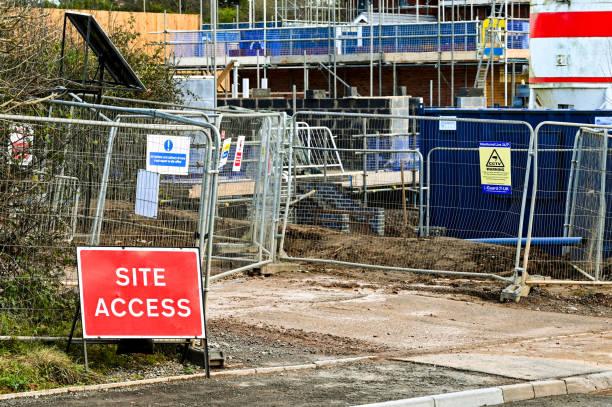
Introduction: The Rising Need for Waste Reduction in UK Construction
The UK construction industry is moving through a period of transformation, driven by growing pressure to reduce waste, improve sustainability, and deliver projects faster without compromising structural integrity or design ambition. Construction waste has historically been one of the biggest contributors to landfill, with materials like timber, plasterboard, concrete, insulation, and plastics frequently discarded due to mismeasurement, site damage, or over-ordering. As government targets and environmental accountability increase, the sector is under pressure to find solutions that go beyond traditional building practices. Prefabrication, also known as off-site construction, is becoming one of the most effective methods for tackling this challenge. By shifting the majority of the work into controlled factory environments, waste is significantly reduced, production becomes more precise, and materials are managed more responsibly. Instead of reacting to waste after it occurs, prefabrication prevents it from happening in the first place.
Local Expertise and Cleaner Sites: A Shift Led by Regional Firms
Across the UK, regional companies are leading the shift towards cleaner and more efficient construction, especially in areas that balance heritage preservation with modern building demands. Builders in Oxford, Cambridge, Manchester, and Bristol increasingly prefer prefabrication because it supports compliance, reduces delivery time, and keeps disruption to a minimum for residents and businesses. Oxford in particular is a city where space constraints, listed buildings, and planning regulations make traditional construction more challenging. Prefabrication simplifies the process by allowing major components to be built off-site, inspected for accuracy, and then delivered ready for installation. This approach also reduces dust, debris, and noise, which is especially valuable in areas with conservation restrictions or active city environments. Local firms are adopting these systems not only to remain competitive but to meet the expectations of clients who are becoming more informed and sustainability-driven.
Why Prefabrication Reduces Waste More Effectively Than Traditional Builds
Traditional building methods rely on material deliveries that are shaped, cut, and assembled onsite, which exposes them to weather damage, material handling risks, and unpredictable working conditions. In comparison, prefabrication transfers those same tasks into controlled factory environments, where advanced machinery, digital measuring systems, and automated cutting equipment ensure precision. Because errors are identified and corrected before the elements ever reach the site, there are far fewer offcuts and discarded materials. Furthermore, leftover materials can be recycled within the factory’s system, instead of being abandoned in a skip. These controlled environments drastically reduce spoilage, particularly for timber, insulation, and interior finishes that can deteriorate if exposed to rain or temperature changes. The result is a streamlined supply chain where waste reduction is built into the production process rather than attempted retroactively.
Digital Planning and Data-Driven Manufacturing
Technology plays a crucial role in prefabrication’s waste reduction success. Building Information Modelling systems enable contractors, architects, and manufacturers to visualise how each component will interact long before it is produced. Clash detection tools ensure that structural and mechanical elements don’t conflict when they are installed, preventing the need to modify materials onsite. Automated machinery and laser measuring systems ensure that parts are fabricated exactly to specification, reducing incorrect cuts and faulty assemblies. In factories, digital inventory management tracks every sheet, beam, and fixture, measuring usage against forecasts and preventing unnecessary reordering. In some cases, artificial intelligence systems generate production schedules that calculate optimal material use, further driving down waste levels. For clients, this means more predictable project costs and fewer unexpected charges related to material replacement.
On-Site Efficiency and Reduced Environmental Impact
One of the most visible benefits of prefabrication is the immediate improvement in onsite organisation. Instead of storing stacks of raw materials in open air, prefabricated panels, modules, or framing systems arrive only when they are needed, reducing clutter and improving safety. Shorter timeframes eliminate the prolonged presence of waste that often accumulates over months in traditional construction. Reduced onsite cutting means fewer emissions from power tools, and less packaging waste is generated because materials are delivered in consolidated units. This is particularly beneficial in urban construction, where skip permits, vehicle access, and waste disposal regulations add time and cost to a project. By limiting emissions, dust, and disposal volume, prefabrication helps contractors move closer to environmental compliance and reduces the carbon footprint of each build.
Impact on Housing Delivery and Affordability
Waste reduction isn’t just an environmental benefit; it has a direct influence on affordability and availability within the UK housing market. When developers waste fewer materials, labour time is shortened, and supply chains become more efficient, the total project cost becomes easier to manage. This is crucial during a period where fluctuating material prices and delivery challenges have made affordability unpredictable. Prefabrication supports consistent project delivery because it depends less on weather, onsite logistics, and variable labour availability. Homes can be completed faster, with fewer delays, and budgets can be better controlled through predetermined production schedules. As the UK attempts to address its housing shortage, prefabrication is becoming an essential tool for producing consistent, cost-effective residential developments that minimise material waste while improving quality.
A Solution for Heritage, Restricted, and Urban Sites
Many UK locations, especially historical districts, face strict design rules to maintain architectural character. Prefabrication supports this by allowing bespoke detailing, façade matching, and custom joinery to be created off-site with meticulous accuracy. This ensures that new additions or restorations do not compromise the identity of surrounding buildings. Restricted access sites such as narrow streets or areas without space for material storage also benefit, because components arrive ready to install rather than requiring extensive processing on the ground. Urban contractors often view prefabrication not only as a convenience but as a strategy that makes once-challenging projects feasible. Reduced waste, reduced congestion, and reduced disruption make these sites more manageable from planning approval to handover.
The Future of Waste Reduction through Modular and Hybrid Systems
As the market evolves, hybrid prefabrication systems are becoming more common. These include modular rooms, factory-built mechanical systems, prefabricated roofing solutions, and panelised assemblies. Combining these elements gives contractors more flexibility without the rigidity of full modular construction. This balanced approach allows companies to retain architectural freedom while still enjoying the waste reduction and efficiency benefits. Many UK firms are now investing in dedicated facilities to support this shift. Training and workforce development are also expanding because prefabrication requires a workforce skilled in digital tools, precision installation, and controlled-environment manufacturing practices. As this new generation of skilled workers emerges, waste reduction will become a natural byproduct of industry evolution rather than a challenge to manage.
Conclusion: A Smarter Way Forward for the UK Construction Industry
Reducing waste on UK construction sites is no longer a niche sustainability goal; it is an industry priority aligned with economic, regulatory, and environmental pressures. Prefabrication offers a clear path forward, allowing contractors to cut down on landfill contributions, reduce on-site errors, and improve project predictability. The transition requires new skills, digital integration, and a willingness to move away from traditional processes, but those firms that adapt will see lasting benefits. As the UK continues to modernise, prefabrication will become a defining element of responsible construction supporting cleaner sites, better value, and a future where efficiency becomes the foundation of every building project.

 English
 Arabic
 French
 Spanish
 Portuguese
 Deutsch
 Dutch
Dutch
 Italiano
 Russian
 Romaian
 Portuguese (Brazil)
 Greek
Greek