
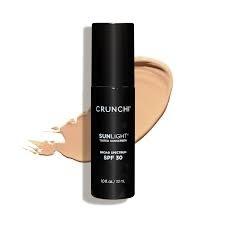
Sunscreen is an essential part of daily skincare, providing a protective barrier against harmful UV rays. However, not all sunscreens are created equal. Many products on the market contain chemicals that may be harmful to your skin and overall health. This is where EWG Sunscreen comes into play, offering a reliable guide for choosing chemical-free and safe sun protection. By understanding what to look for in sunscreen and following EWG’s recommendations, you can enjoy outdoor activities without compromising your health.
Understanding the Importance of Sunscreen
Sunscreen is more than just a beauty product it is a critical defense against skin damage, premature aging, and skin cancer. Ultraviolet (UV) rays from the sun penetrate the skin, causing sunburn, DNA damage, and long-term health risks. Despite widespread awareness, many people underestimate the harmful effects of chemical-laden sunscreens that contain ingredients like oxybenzone and octinoxate. These substances can irritate sensitive skin, disrupt hormones, and even enter the bloodstream.
Using sunscreen regularly, especially during peak sunlight hours, is a simple yet effective step in maintaining healthy skin. But how can you ensure your sunscreen is safe? This is where EWG’s rating system becomes invaluable.
What is EWG and Its Sunscreen Ratings?
The Environmental Working Group (EWG) is a nonprofit organization dedicated to providing trustworthy information about health and environmental safety in personal care products. Their EWG Sunscreen database evaluates products based on ingredient safety, effectiveness, and potential health risks.
EWG uses a scoring system that rates sunscreens from 1 to 10, with 1 being the safest and 10 indicating potential concern. Products with lower scores are free from harmful chemicals and safe for daily use, making them ideal for people with sensitive skin, children, or those looking to reduce chemical exposure.
Key Factors in EWG Sunscreen Ratings
- Active Ingredients: EWG prefers mineral-based ingredients like zinc oxide and titanium dioxide over chemical UV filters. These minerals sit on top of the skin and reflect UV rays without being absorbed.
- Chemical Exposure Risks: Ingredients like oxybenzone, octocrylene, and homosalate are linked to hormone disruption and allergic reactions. EWG identifies these risks in their ratings.
- Formulation Transparency: EWG evaluates whether products clearly list all ingredients and avoid undisclosed fragrances or preservatives.
- Broad-Spectrum Protection: EWG ensures that recommended sunscreens provide balanced protection against both UVA and UVB rays.
Choosing the Right Sunscreen for Your Skin Type
Selecting a sunscreen isn’t a one-size-fits-all solution. Skin type, lifestyle, and sun exposure levels all play a role in making the best choice.
For Sensitive Skin
Individuals with sensitive skin should opt for mineral-based EWG Sunscreen products that contain zinc oxide or titanium dioxide. These ingredients are less likely to cause irritation or allergic reactions compared to chemical alternatives.
For Oily or Acne Prone Skin
For those prone to breakouts, lightweight, oil-free formulations that won’t clog pores are ideal. EWG’s database helps filter options based on these specific requirements.
For Daily Use
Even on cloudy days or during indoor activities, applying sunscreen is essential. Look for products with broad-spectrum coverage and SPF 30 or higher to ensure reliable protection throughout the day.
Common Myths About Sunscreen
Despite widespread usage, myths about sunscreen safety and effectiveness still persist. Understanding the truth can help you make informed choices:
- “Natural Ingredients Don’t Protect Enough” – Mineral sunscreens with zinc oxide and titanium dioxide are highly effective at blocking UV rays.
- “SPF 50 Is Always Better Than SPF 30” – SPF 30 blocks about 97% of UVB rays, while SPF 50 blocks 98%. The difference is minimal when applied correctly.
- “Darker Skin Doesn’t Need Sunscreen” – UV damage affects all skin tones. Regular sunscreen use reduces the risk of hyperpigmentation and skin cancer.
- “Waterproof Sunscreens Don’t Need Reapplication” – All sunscreens should be reapplied every two hours or after swimming or sweating, regardless of labeling.
How EWG Sunscreen Supports Chemical Free Living
In today’s health-conscious world, many individuals seek chemical-free alternatives in skincare. EWG provides a roadmap for EWG Sunscreen users to avoid harmful ingredients without sacrificing sun protection. Their research empowers consumers to make choices aligned with holistic wellness, reducing exposure to synthetic chemicals while maintaining skin health.
By following EWG’s recommendations, you are not just protecting your skin from UV damage you are actively supporting a lifestyle that values natural and safe products.
Integrating Sunscreen Into Your Daily Routine
Consistency is key when it comes to sunscreen. Integrating it into your daily wellness habits ensures maximum protection and long-term skin health.
Morning Routine
Apply a broad-spectrum EWG Sunscreen after cleansing and moisturizing your face. This protects your skin throughout the day while also serving as a base for makeup.
Outdoor Activities
For prolonged sun exposure, such as hiking, swimming, or sports, reapply every two hours and consider additional protection like hats, sunglasses, and UV-protective clothing.
Evening Care
While sunscreen protects your skin, evening cleansing is equally important. Removing sunscreen thoroughly prevents pore clogging, irritation, and the buildup of residual chemicals.
The Role of Overall Wellness in Skin Protection
Sunscreen is only one part of a holistic approach to skin and body health. Incorporating balanced nutrition, hydration, and protective lifestyle habits enhances the benefits of chemical-free sun protection.
Using wellnessforlife practices, such as maintaining a diet rich in antioxidants, exercising regularly, and prioritizing stress management, works synergistically with sunscreen to promote radiant and resilient skin. Sunscreen protects externally, while wellness habits support internal health together forming a comprehensive skin defense strategy.
Tips for Choosing EWG Approved Sunscreens
- Check the EWG Rating – Only select products with ratings of 1–2 for safety assurance.
- Read Labels Carefully – Avoid sunscreens with oxybenzone, octinoxate, and chemical fragrances.
- Consider SPF and Broad-Spectrum Coverage – Choose SPF 30 or higher and ensure UVA/UVB protection.
- Preference for Mineral-Based Formulas – Zinc oxide and titanium dioxide are gentle and effective.
- Match Your Skin Type – Look for non-comedogenic or sensitive-skin-friendly options based on personal needs.
Environmental Considerations
Choosing EWG-approved sunscreens benefits not only your health but also the environment. Many chemical sunscreens can harm marine ecosystems, especially coral reefs. By selecting mineral-based, chemical-free options, you reduce the ecological footprint of your skincare routine. This aligns with sustainable wellness practices and supports environmental responsibility.
Conclusion Safe Sun Protection for a Healthier Life
Navigating the world of sunscreens can be overwhelming, but EWG Sunscreen provides clarity, safety, and peace of mind. By understanding ingredient risks, reading labels, and choosing mineral-based formulas, you protect your skin from harmful UV rays while minimizing chemical exposure.
Incorporating sunscreen into your daily skincare routine, along with wellnessforlife practices like balanced nutrition, exercise, and stress management, ensures a holistic approach to health and beauty. Prioritizing chemical-free protection is not just a skincare choice it’s a lifestyle choice that fosters long-term wellness, radiant skin, and confidence in the sun.

 English
 Arabic
 French
 Spanish
 Portuguese
 Deutsch
 Turkish
 Dutch
Dutch
 Italiano
 Russian
 Portuguese (Brazil)
 Greek
Greek