
The evolution of camera technology has brought about significant advancements that are reshaping the photography landscape, and none more so than the rise of mirrorless cameras. As many photographers transition from traditional DSLRs to mirrorless systems, they encounter a crucial aspect that profoundly impacts image quality: sensor size. Understanding the nuances of sensor sizes in mirrorless cameras is pivotal for anyone looking to optimize their photographic quality, aesthetics, and performance.
What is Sensor Size and Why Does it Matter?
At the heart of any digital camera, the sensor acts as the canvas on which light is captured. The sensor size, referring to the physical dimensions of this light-sensitive surface, plays a significant role in dictating several critical aspects of photography including resolution, depth of field, low-light performance, and dynamic range.
Types of Sensor Sizes in Mirrorless Cameras
- Full-Frame Sensors
Full-frame sensors are equivalent in size to 35mm film, measuring approximately 36mm x 24mm. These sensors offer superior image quality due to their larger surface area, which enables them to capture more light. This results in excellent performance in low-light conditions, producing images with less noise and greater dynamic range. Professionals and serious enthusiasts gravitate towards full-frame mirrorless cameras because they deliver optimal quality and versatility, especially in portrait and landscape photography.
- APS-C Sensors
APS-C sensors are smaller, usually around 22mm x 15mm, and are found in many mid-range mirrorless cameras. While they don’t capture as much light as full-frame sensors, they still provide excellent image quality and are more affordable. APS-C sensors offer a crop factor, typically around 1.5x, affecting the effective focal length of lenses. This makes them suitable for situations where longer focal lengths are desired, such as wildlife or sports photography.
- Micro Four Thirds Sensors
Micro Four Thirds sensors are smaller yet, measuring approximately 17mm x 13mm. Cameras with these sensors are typically more compact and lightweight, perfect for photographers who prioritize portability. Although they capture less light than larger sensors, advancements in technology have enabled these cameras to produce impressive results. They are particularly favored among travel photographers and vloggers who need a balance between quality and convenience.
Impact of Sensor Size on Image Quality
The primary benefit of larger sensors in mirrorless cameras is the amount of light they can capture. This directly influences image resolution and detail. Larger sensors tend to produce sharper images with better color reproduction and higher dynamic range, allowing for greater flexibility in post-processing.
Additionally, sensor size affects depth of field. Larger sensors provide more control over depth of field, enabling photographers to achieve a dreamy, blurred background effect known as bokeh. This is a critical element in portraiture, where subject isolation can significantly enhance the visual appeal.
Low-Light Performance and Dynamic Range
In low-light conditions, larger sensors have a distinct advantage due to their ability to gather more light, thereby minimizing noise levels in images. Full-frame sensors are renowned for their exceptional performance in dim environments, making them a preferred choice for events, concerts, and night photography.
Dynamic range, another pivotal aspect, refers to the sensor’s ability to capture a wide spectrum of tones from shadows to highlights. Larger sensors excel in this area, allowing photographers to retain detail in both bright and dark areas, leading to images that more accurately reflect the observed scene.
Choosing the Right Sensor Size for Your Needs
Understanding sensor sizes in mirrorless cameras is crucial for making informed decisions when investing in new gear. If ultimate image quality and professional-grade performance are your priorities, a full-frame sensor camera is an excellent choice. If affordability and versatility are more important, and if longer focal lengths are beneficial, APS-C sensors provide a great balance. For those prioritizing portability without sacrificing too much image quality, Micro Four Thirds sensors present an advantageous option.
Ultimately, the choice will depend on what you value most in your photography — whether it’s the ability to shoot in low light, achieve stunning depth of field effects, or simply have a lightweight setup for travel.
The Final Recommendation: Consider the SJCAM SJ20 Action Camera
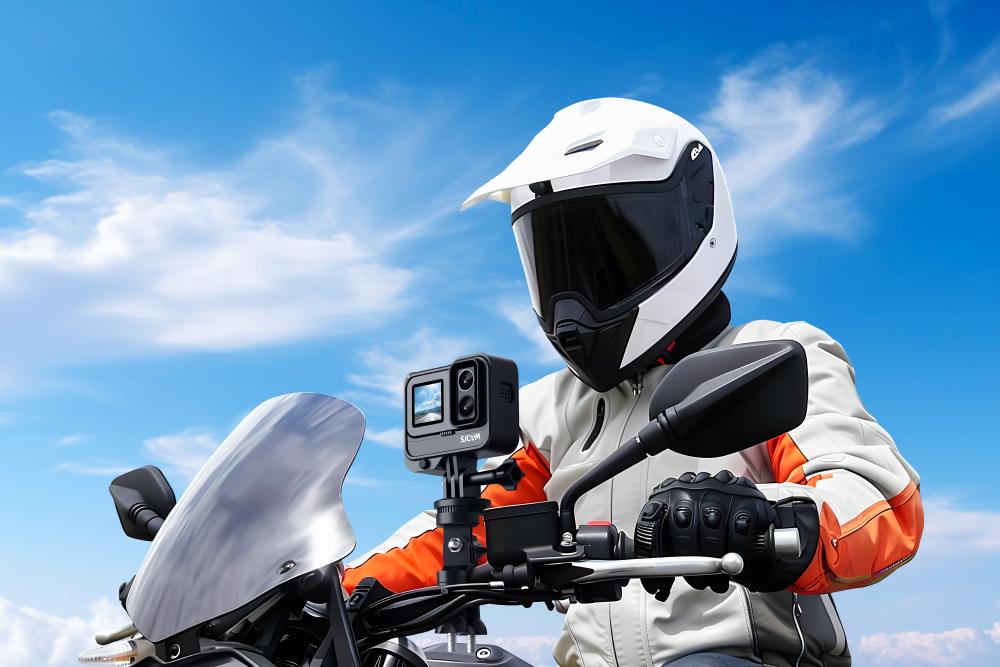
For adventure seekers and those who require a compact setup for vigorous activities, the SJCAM SJ20 action camera is a remarkable tool. Although not a mirrorless camera, it complements your photographic endeavors with its robust video capabilities. The SJ20 is equipped with high-quality recording features in a durable, compact design, ideal for capturing fast-paced action and outdoor adventures. Its affordability, coupled with impressive visual output, makes it a fantastic addition to any photographer’s gear collection, ensuring you never miss a moment of excitement.
In conclusion, the journey through understanding sensor sizes in mirrorless cameras unveils critical aspects that influence photographic quality and creative potential. By selecting the appropriate sensor size, photographers can better equip themselves to capture the world as they envision it, leveraging technology that continues to redefine what is possible in the realm of photography. Whether investing in a sophisticated mirrorless setup or complementing with action-packed tools like the SJCAM SJ20, the possibilities are vast and exciting.

 English
 Arabic
 French
 Spanish
 Portuguese
 Deutsch
 Turkish
 Dutch
Dutch
 Russian
 Romaian
 Portuguese (Brazil)
 Greek
Greek