
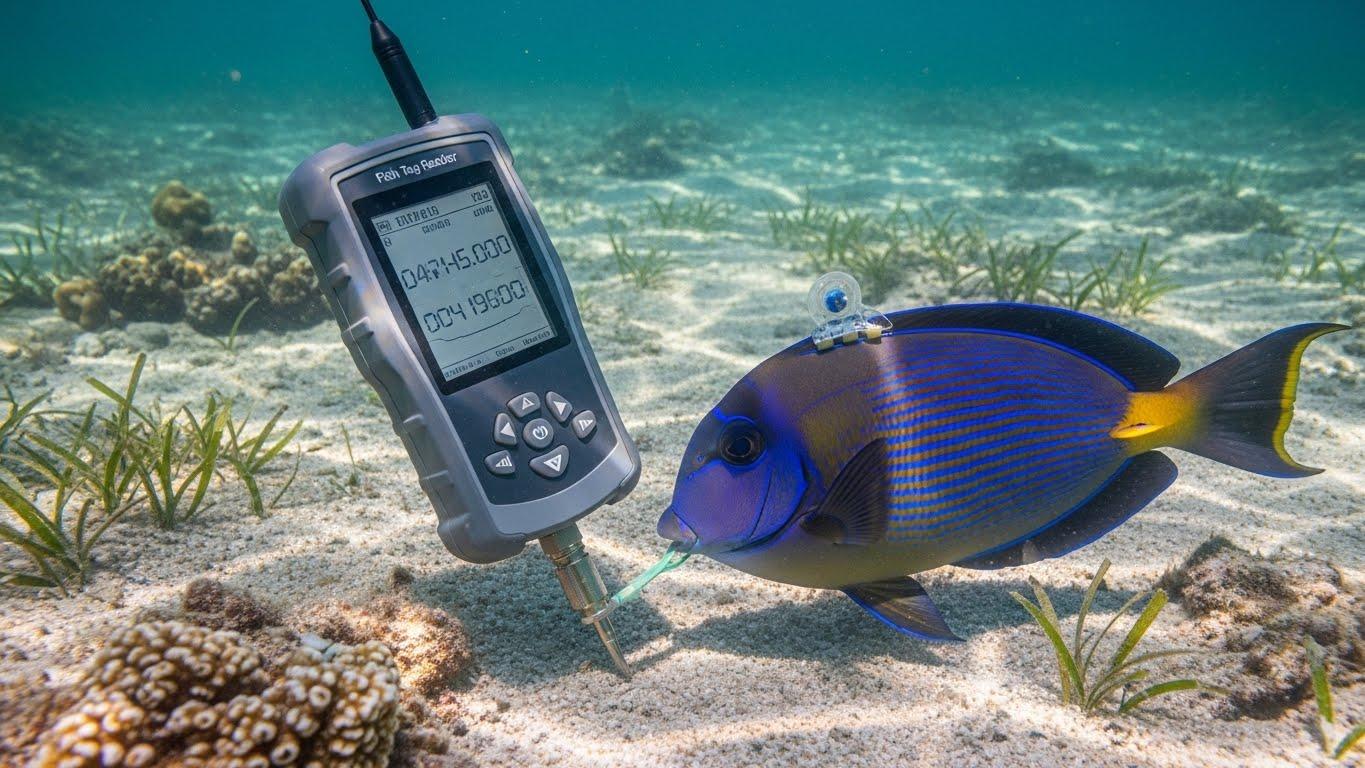
What Remote Field Teams Need in a Next-Generation Tag Reader for Rugged Conditions
Field research in remote aquatic environments presents unique challenges that laboratory-based scientists rarely encounter, including extreme weather exposure, limited infrastructure access, challenging terrain, and extended periods without resupply or technical support where equipment failures can derail entire field seasons. Traditional electronic detection equipment designed for benign laboratory conditions or accessible field sites frequently proves inadequate when deployed in truly remote locations experiencing temperature extremes, moisture exposure, physical impacts, and power limitations that quickly destroy inadequately ruggedized devices. Remote field teams operating in these demanding environments require specialized tag reader equipment engineered specifically for extreme conditions, incorporating military-grade environmental protection, extended battery life, redundant systems, intuitive interfaces requiring minimal training, and field-serviceable designs enabling repairs with limited tools and parts when malfunctions inevitably occur far from manufacturer support. Understanding what specific features and capabilities truly matter in remote field applications—beyond marketing specifications often irrelevant to actual field conditions—enables informed equipment procurement decisions that prevent costly failures while ensuring research teams can reliably collect data across entire field seasons despite harsh environmental conditions and logistical constraints that would overwhelm conventional equipment designed for more benign deployment scenarios.
Environmental Protection and Extreme Durability Requirements
Remote field sites expose equipment to environmental extremes that benign locations never experience, making comprehensive environmental protection absolutely essential rather than optional premium feature. Equipment must survive conditions including submersion in saltwater, temperature swings exceeding eighty degrees daily, sand and dust infiltration, and repeated impacts from dropping or rough handling during challenging field work.
Waterproof ratings must exceed minimum standards, with IP68 certification representing baseline requirements ensuring complete dust protection and continuous submersion resistance to multiple meters for extended periods. However, even IP68 proves insufficient without proper port protection, as repeated cable connections in wet conditions compromise seals allowing moisture infiltration despite nominal ratings. Premium tag reader designs employ magnetic or optical charging eliminating physical port exposure, while data transfer occurs wirelessly preventing connector corrosion that disables equipment despite intact main housing seals.
Temperature operating ranges must span negative thirty to positive sixty degrees Celsius accommodating arctic expeditions through desert deployments, with specifications verified under actual operating conditions rather than just ambient temperature ratings that ignore solar heating creating surface temperatures far exceeding air temperatures. Internal component selection, thermal management, and battery chemistry must all support these extreme ranges while maintaining detection performance that temperature-sensitive electronics might compromise when operating at specification limits.
Impact resistance requires reinforced housings, shock-mounted internal components, and corner protection surviving repeated drops onto rocks, boat decks, or frozen ground. Military standard drop testing from multiple heights and orientations provides objective durability assessment, though field equipment should exceed minimum standards given inevitable impacts during challenging fieldwork where equipment gets dropped, knocked over, or crushed when gear shifts during rough transport.
Corrosion resistance becomes critical in marine or brackish environments where saltwater exposure rapidly degrades unprotected metals and electronics. Marine-grade materials including stainless steel hardware, conformal coatings protecting circuit boards, and corrosion-resistant alloys for housings prevent degradation that renders equipment inoperable within single field seasons when inadequate protection allows saltwater infiltration or surface corrosion.
Chemical resistance to fuel, insect repellent, sunscreen, and cleaning agents that field personnel apply liberally prevents housing degradation or display damage from incidental contact with substances ubiquitous in field environments. Equipment surfaces should withstand repeated exposure to DEET, petroleum products, chlorine bleach, and other harsh chemicals without crazing, discoloration, or softening that compromises environmental seals or structural integrity.
Extended Power Management and Energy Independence
Remote locations frequently lack electrical infrastructure, creating power constraints that fundamentally affect equipment usability and program logistics. Tag reader power systems must support extended autonomous operation through efficient power management, high-capacity batteries, and renewable charging options eliminating dependence on grid power that remote sites cannot provide.
Battery capacity must support full workdays or multiple days of continuous operation depending on deployment scenarios, with realistic runtime specifications reflecting actual field usage patterns including frequent detection cycling, display activation, and data transmission rather than optimistic manufacturer claims based on minimal-use laboratory testing. Handheld readers should provide minimum twelve hours active use, while stationary systems require weeks or months of autonomous operation between servicing.
Replaceable versus rechargeable battery trade-offs require careful consideration, as replaceable batteries enable indefinite field time with adequate spare battery supply while rechargeables eliminate weight of carrying numerous batteries but require charging infrastructure. Ideal systems support both approaches through rechargeable packs supplemented by emergency disposable battery compatibility providing operational flexibility under varying field conditions and unexpected mission extensions.
Solar charging integration enables energy independence for stationary deployments and extends handheld operation during multi-week expeditions without resupply access. High-efficiency solar panels sized appropriately for latitude and season combined with intelligent charge controllers and adequate battery storage enable indefinite autonomous operation even during poor weather provided system energy budgets account for reduced solar input during overcast periods.
Power consumption optimization through intelligent sleep modes, efficient electronics, and variable power transmission significantly extends operational duration. Advanced tag reader designs automatically reduce power when idle, employ energy-efficient displays that consume minimal power, and allow adjustable transmission power reducing energy use when maximum detection range proves unnecessary. These optimizations can double or triple field operational duration compared to continuously powered alternatives without sophisticated power management.
Battery health monitoring through fuel gauges, voltage tracking, and performance assessment prevents unexpected shutdowns that could occur mid-procedure or during critical detection periods. Accurate remaining runtime predictions enable field teams to plan charging cycles and spare battery deployments avoiding situations where equipment dies during important work because operators couldn't accurately assess remaining capacity.
Intuitive Operation and Minimal Training Requirements
Field teams often include technicians, volunteers, or seasonal staff with limited electronics experience who must quickly become competent operators without extensive training periods that permanent research staff might receive. Tag reader interfaces must prioritize intuitive operation through clear displays, logical menu structures, and self-explanatory functions enabling rapid training and minimizing operational errors that corrupt data or damage equipment.
Touchscreen interfaces with large, high-contrast displays readable in direct sunlight provide intuitive control that users understand from consumer device experience, though screens must employ extremely durable glass and oleophobic coatings resisting scratches and remaining readable despite dust, water droplets, or fingerprints that obscure low-quality displays. Haptic feedback confirming input recognition prevents missed button presses that touchscreens sometimes exhibit with wet or gloved fingers.
Simplified workflows with minimal menu depth enable users to perform common operations including basic detection, data viewing, and file management with just few button presses or screen taps rather than navigating complex menu hierarchies that confuse operators and slow field operations. Advanced features can reside in deeper menus accessible when needed without cluttering primary interfaces used during routine work.
Visual status indicators including large battery level displays, detection confirmation signals, and warning icons alerting operators to problems enable quick equipment status assessment without reading detailed menus or interpreting cryptic error codes. Successful detection should trigger unmistakable visual and auditory feedback so operators immediately know when tags are read versus missed, preventing uncertainty about whether detections occurred.
Field-replaceable components including batteries, memory cards, and sometimes antennas enable repairs using basic tools and spare parts that expeditions can carry rather than requiring factory service when malfunctions occur. Design approaches emphasizing maintainability through accessible fasteners, modular construction, and included tool kits enable field repairs that keep equipment operational through field seasons despite component failures that would otherwise end data collection until equipment returns from manufacturer service.
Data Management and Connectivity in Limited Infrastructure
Remote locations often lack cellular coverage, internet access, or even reliable electricity, creating data management challenges that tag reader systems must address through robust local storage, offline operation capability, and flexible data transfer options accommodating various connectivity scenarios.
Large internal storage capacity using industrial-grade memory cards accommodates millions of detection records enabling multi-month deployments without data download requirements that might prove logistically impossible at remote sites. Storage should substantially exceed anticipated needs providing buffers for unexpected mission extensions or detection rates exceeding predictions, preventing data loss from filled memory that early systems sometimes experienced.
Offline operation enabling full functionality without cellular or internet connectivity represents essential requirement since remote field sites rarely provide connectivity that urban-focused equipment assumes available. All core functions including detection, data recording, system configuration, and status monitoring must work completely offline, with connectivity features remaining optional enhancements rather than operational requirements.
Multiple data transfer options including USB connections, WiFi direct transfer, Bluetooth linking to smartphones, and removable memory cards provide flexibility accommodating whatever connectivity opportunities remote locations might offer. When cellular coverage exists, automatic cloud upload provides backup and enables remote monitoring, but equipment must function completely independently when connectivity remains unavailable for weeks or months.
Data validation and quality control performed onboard prevents corrupted data from filling storage with unusable records. Automatic anomaly detection, redundancy checking, and error logging identify potential data quality issues, alerting operators to problems requiring attention while documenting quality metrics that post-processing uses to filter records and assess reliability.
Reliability and Redundancy for Mission-Critical Applications
Equipment failure during remote field seasons can invalidate months of expensive fieldwork, making reliability paramount and redundancy often justified despite weight and cost penalties. Next-generation systems incorporate fault tolerance, backup capabilities, and diagnostics enabling continued operation despite component failures that would disable less robust designs.
Dual antenna systems with automatic failover provide continued operation if primary antenna fails, preventing total detection capability loss from single component failure. While adding weight and complexity, redundant antennas justify costs for critical applications where antenna failure would otherwise end field seasons prematurely.
Redundant data storage writing detection records to both internal memory and removable cards simultaneously prevents data loss from storage failure that, while rare, occasionally occurs and would catastrophically impact programs losing entire field season's data. Simultaneous dual storage provides insurance against storage media failures that probability suggests will eventually affect some units deployed across large field programs.
Diagnostic capabilities including system health monitoring, performance tracking, and predictive failure warnings enable proactive maintenance before problems escalate into failures. Advanced tag reader diagnostics identify degrading batteries, antenna performance decline, or software anomalies suggesting impending failures, allowing preventive component replacement during scheduled maintenance rather than experiencing failures during critical field periods.
Size and Weight Optimization for Portability
Remote field work often involves extensive hiking, paddling, or helicopter transport where equipment weight and volume directly impact logistics, costs, and feasibility. While maintaining necessary durability and capability, equipment must minimize size and weight enabling practical transport and comfortable daily carry during field operations.
Ergonomic design including balanced weight distribution, contoured grips, and carry accessories like padded straps transforms heavy equipment from burdensome loads into manageable tools that technicians comfortably use across long field days. Poor ergonomics causes fatigue, increases drop risk, and reduces operator effectiveness even when equipment specifications otherwise prove adequate.
Modular component systems allowing operators to carry only necessary elements for specific tasks reduces unnecessary weight. Detachable antenna heads, optional external batteries, and removable protective cases enable customizing configurations matching daily requirements rather than carrying maximum capability every day regardless of actual needs.
Conclusion
Remote field teams operating in demanding environments require specialized tag reader equipment that prioritizes extreme environmental protection, extended autonomous power operation, intuitive interfaces requiring minimal training, robust data management functioning without infrastructure, and reliability through redundancy and diagnostics preventing mission-critical failures. While these capabilities command premium pricing compared to basic laboratory equipment, the investment proves justified by preventing field season failures, extending equipment operational lifespans under harsh conditions, and enabling data collection in remote locations where conventional equipment simply cannot survive or function reliably. As field research increasingly extends into challenging environments pursuing conservation questions that can only be addressed through remote site studies, demand for truly field-worthy detection equipment will continue growing, driving manufacturers toward progressively more capable, durable, and field-optimized designs that enable scientists to collect high-quality data regardless of environmental extremes or logistical constraints that remote locations invariably present.

 English
 Arabic
 French
 Spanish
 Portuguese
 Deutsch
 Turkish
 Dutch
Dutch
 Italiano
 Russian
 Portuguese (Brazil)
 Greek
Greek