
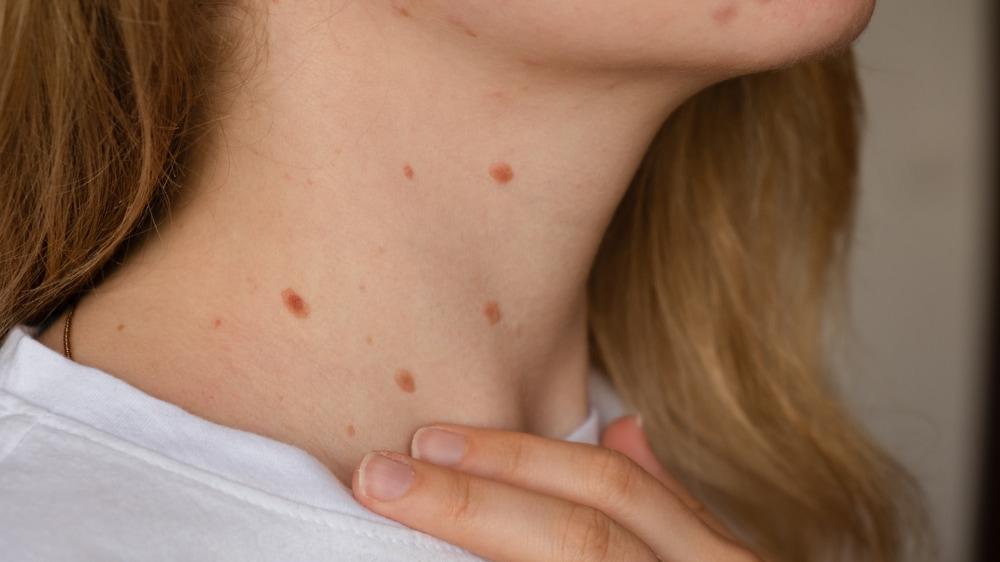
Skin tags are small, soft, benign growths that often appear on areas of the body where skin rubs together, such as the neck, armpits, and under the breasts. While generally harmless, many people worry about whether these skin growths can spread to others. In this comprehensive guide, we provide expert insights to answer the question: Are Skin Tags Contagious? We will also discuss prevention, treatment, and overall health and wellness strategies to manage these common skin concerns.
Understanding Skin Tags
Skin tags, medically known as acrochordons, are non-cancerous growths of skin. They are typically flesh-colored or slightly darker and can vary in size from a few millimeters to over a centimeter. Skin tags are usually painless and don’t cause discomfort, though they can become irritated if they rub against clothing or jewelry.
The development of skin tags is often linked to factors such as genetics, obesity, hormonal changes, and age. They are common in adults, especially after the age of 40. Despite their prevalence, misconceptions about skin tags persist, particularly regarding their contagiousness.
Common Myths About Contagion
A frequent concern among individuals with skin tags is whether these growths can be passed on to others. Some myths suggest that skin tags are infectious, similar to warts or other viral skin conditions. However, unlike warts caused by the human papillomavirus (HPV), skin tags do not have a viral component.
Medical experts confirm that skin tags are not contagious. You cannot “catch” a skin tag from physical contact, shared towels, or clothing. This is an essential distinction to make because misinformation can lead to unnecessary anxiety and even social stigma.
Causes of Skin Tags
Skin tags generally form due to friction or irritation in areas where skin folds exist. Other factors contributing to their formation include:
-
Genetics: Family history increases susceptibility.
-
Obesity: Extra skin folds create friction, promoting skin tag development.
-
Hormonal Changes: Pregnancy or metabolic changes can trigger new growths.
-
Medical Conditions: Insulin resistance and type 2 diabetes are linked with higher incidence of skin tags.
Although these factors may predispose someone to skin tags, they still do not make them contagious. Understanding the root causes can help reduce recurrence and guide management strategies.
Prevention Tips for Skin Tags
Preventing skin tags entirely may not always be possible, but you can reduce their occurrence through lifestyle adjustments. Maintaining proper hygiene, managing body weight, and wearing loose-fitting clothing can minimize friction that often leads to skin tag formation.
Integrating preventive measures into your daily routine also contributes to overall health and wellness. Balanced nutrition, regular exercise, and good skincare practices not only help prevent skin tags but improve general well-being. It’s worth noting that while these measures help reduce risk, they cannot guarantee prevention.
Treatment Options
If skin tags become bothersome or aesthetically concerning, there are several effective removal options. It is important to consult a dermatologist before attempting self-removal to avoid complications. Common treatments include:
-
Cryotherapy: Freezing the skin tag off using liquid nitrogen.
-
Excision: Surgical removal using scissors or a scalpel.
-
Ligation: Cutting off blood supply by tying a string around the base.
-
Over-the-Counter Solutions: Topical treatments for smaller skin tags.
Medical professionals advise against home remedies such as cutting with household scissors or using harsh chemicals, as these methods can cause infection or scarring.
When to See a Doctor
Most skin tags are harmless and require no medical attention. However, you should consult a healthcare provider if:
-
The skin tag changes in color, size, or shape.
-
It becomes painful, bleeds, or shows signs of infection.
-
You have numerous skin tags appearing suddenly, which may indicate an underlying condition such as insulin resistance.
While the idea of contagion may cause unnecessary concern, professional evaluation can offer reassurance and ensure proper care.
Debunking the Contagion Concern
Returning to the core question, Are Skin Tags Contagious? The answer remains a clear no. Skin tags develop from skin growth patterns, friction, and metabolic factors, not from viruses or bacteria. Unlike contagious conditions such as chickenpox, warts, or fungal infections, skin tags do not spread from person to person.
It’s important to address this misconception because fear of contagion can lead to social anxiety or unnecessary avoidance behaviors. Education and awareness are key, helping individuals manage their skin concerns without fear of spreading them.
Maintaining Healthy Skin
While skin tags are not a direct threat to your health, maintaining healthy skin can reduce their likelihood and improve overall confidence. Here are a few tips:
-
Keep skin clean and moisturized.
-
Avoid excessive friction in common skin tag areas.
-
Maintain a balanced diet rich in vitamins and antioxidants.
-
Regularly monitor your skin for any new growths or changes.
By combining these practices with professional care when needed, you can manage skin tags effectively while supporting overall health and wellness.
Conclusion
In summary, Are Skin Tags Contagious? The evidence is clear: skin tags are harmless growths that do not spread from person to person. While their appearance can be concerning, understanding the causes and adopting preventive and treatment strategies can help manage them safely. Maintaining healthy skin, practicing good hygiene, and consulting a dermatologist when necessary ensures both aesthetic satisfaction and overall health and wellness.

 English
 Arabic
 French
 Spanish
 Portuguese
 Turkish
 Dutch
Dutch
 Italiano
 Russian
 Romaian
 Portuguese (Brazil)
 Greek
Greek