
For many in Wellesley, a bathroom remodel begins with a dream of relaxation. You envision a space that washes away the stress of the day, a personal retreat from a busy life of commutes, school runs, and community engagements. Often, at the center of this vision is the bathtub. It’s not merely a functional fixture for cleaning up; it’s a symbol of repose, a place to unwind with a book, ease sore muscles after a long run around the Charles River, or enjoy a quiet moment at the end of the day.
But turning that dream into a reality is where many homeowners encounter a gap between inspiration and execution. Selecting a beautiful freestanding tub or a sleek undermount model is the exciting part. The critical, and often underestimated, factor is the bathtub installation itself. This process is a complex ballet of structural engineering, precise plumbing, and flawless finishing. Getting it wrong can lead to leaks, cracks, unstable footing, and a daily reminder of a project gone awry. This guide will walk you through why professional installation is paramount and how to ensure your new tub becomes the sanctuary you imagined.
The Bathtub as a Centerpiece: More Than Meets the Eye
Modern bathtubs are feats of design and material science. A classic clawfoot tub is a statement piece, often weighing 300 pounds or more empty. A modern acrylic soaker tub might be lighter, but its intricate shape requires perfect leveling. A stone resin or cast iron tub can weigh well over 500 pounds when filled with water and a person. This isn’t just furniture; it’s a heavy, water-bearing vessel that your floor must support indefinitely.
The installation, therefore, isn't about just connecting a drain. It's about creating a stable, level, and perfectly integrated foundation. A professional installer views the project in three distinct, interconnected layers:
- The Structural Layer: Can the floor joists beneath your bathroom support this concentrated, dynamic load? In older Wellesley homes, this is a non-negotiable question. Reinforcement with sistered joists or additional blocking is often required before the subfloor is even touched.
- The Substrate and Setting Layer: This is the "bed" for the tub. For alcove or drop-in tubs, this means constructing a perfectly level and plumb framework. For undermount tubs, it involves building a sturdy deck that can handle weight and moisture. For freestanding tubs, it requires an absolutely level floor and precise mapping of the drain and supply lines to align with the tub's pre-drilled holes.
- The Finishing and Sealing Layer: This is where water management is won or lost. It involves using the correct adhesives, mortars, or sealants for the tub material and surrounding walls (tile, stone, or paneling). A flawless seal at the tub/wall junction (the critical "integral flange") is what prevents water from sneaking behind your beautiful new tile and causing rot and mold inside the wall cavity.
Navigating the Installation Maze: Common Tub Types and Their Challenges
The complexity varies dramatically based on the tub you choose. Here’s a breakdown of what each entails in a real-world Wellesley remodel.
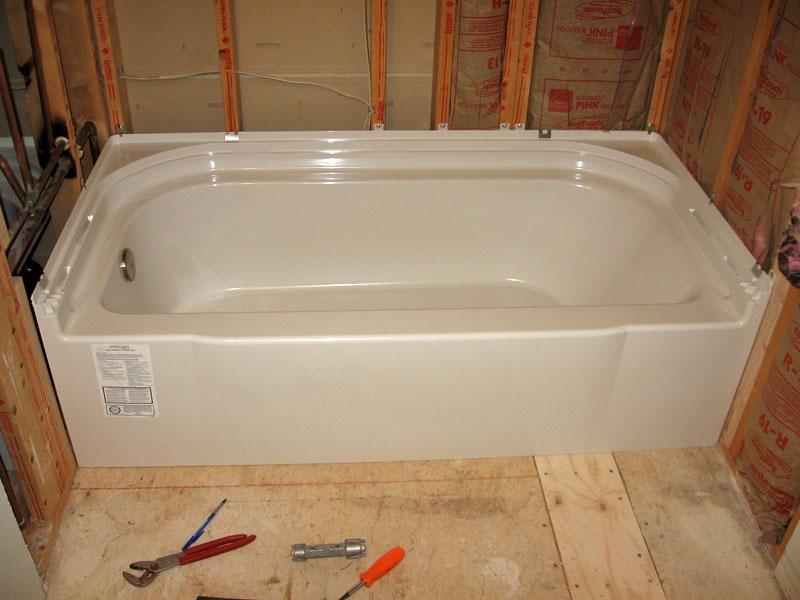
Alcove or Recessed Tub: This is the standard tub-shower combination. The installation challenge here is three-fold. First, the framing must be perfectly square and level to accept the tub. Second, the tub’s integral flange must be properly secured behind the wallboard or cement backer board, not over it. This is the single most common installation error leading to leaks. Third, the drain and overflow assembly must be meticulously installed and tested before the walls are closed up.
Drop-In Tub: This tub installs into a pre-built deck or surround, often as part of a large, luxurious platform. The challenge is constructing a rock-solid, perfectly level deck that can bear weight without flexing. The gap between the tub rim and the deck is sealed with a flexible caulk, which becomes a maintenance point. Accessibility for future plumbing repairs must also be designed into the deck, often via a removable panel.
Undermount Tub: Similar to an undermount sink, this tub mounts beneath a solid surface deck, usually stone or quartz, creating a sleek, seamless look. The precision required is extreme. The cutout in the stone must be exact, and the tub must be supported from below, often with a custom-built cradle or mortar bed, before the heavy stone deck is placed on top. This is a job for experienced pros who coordinate between the tub installer, countertop fabricator, and carpenter.
Freestanding Tub: The iconic centerpiece. While it seems simple—just place it on the floor—the prerequisites are exacting. The floor must be perfectly level across the entire footprint. More critically, the rough-in plumbing—the drain in the floor and the water supply lines—must be positioned with millimeter accuracy to line up with the tub’s specific drain location and faucet holes. A miscalculation of an inch means the tub won't connect, requiring costly floor repairs. The weight distribution is also crucial; most require a full mortar bed beneath for support and to prevent flexing that can crack the tub or plumbing connections.
The Wellesley Homeowner’s Pitfalls: What Can Go Wrong
Understanding potential failures underscores the value of expertise.
- The Sagging Floor: A heavy tub installed without proper structural support will, over time, cause the floor to sag. You’ll see cracks in the ceiling below, doors that no longer close properly, and tiles that crack under the stress. The fix is a massive, invasive project.
- The Silent Leak: An improper seal at the flange or a poorly connected drain leads to water leaking inside the wall or under the tub. You won’t see it until the damage is severe: stained ceilings, soft flooring, or a musty smell. This is a mold remediation project, not a simple plumbing fix.
- The Unlevel Experience: A tub that isn’t level is more than an eyesore. Water will pool at one end, making it uncomfortable and ineffective for bathing. Draining will be slow, leaving a dirty residue. Adjusting it after the walls are finished is nearly impossible.
- The Access Nightmare: If the tub drain or supply valves are installed without future service in mind, a simple repair like replacing a washer becomes a project requiring demolition of tile or decking.
The Professional Installation Advantage: A Process, Not a Task
A licensed, experienced plumbing and remodeling professional doesn’t just install a tub; they manage a process. Here’s what that looks like:
- Pre-Installation Site Assessment: They evaluate the structural floor, measure the space, and verify the rough-in plumbing locations against the new tub’s specifications. They identify what needs to be reinforced, moved, or rebuilt before the new tub arrives.
- Meticulous Preparation: This includes building a proper support structure, dry-fitting the tub to confirm alignment, and preparing the subfloor with the correct setting material (mortar, adhesive, or padding).
- Precision Placement & Plumbing: The tub is carefully lowered into place, leveled in all directions, and secured. The drain and overflow are connected with precision, using the correct gaskets and sealants. Supply lines are connected with accessible shut-off valves.
- Comprehensive Leak Testing: Before any walls are closed or decks are built, the professional will fill the tub and let it sit, checking for leaks at the drain, overflow, and supply connections. They will also test the drain’s functionality.
- Final Sealing & Integration: The critical seam where the tub meets the wall or deck is sealed with a high-quality, flexible sealant compatible with both materials. They ensure the finished look is clean, waterproof, and built to last.
The Reward: A Sanctuary Built to Last
When done correctly, the benefits of a professional bathtub installation extend far beyond avoiding disasters.
- Long-Term Value & Safety: A structurally sound, leak-free installation protects the biggest investment you have—your home. It ensures safety for your family and preserves the value of your remodel for years to come.
- Uncompromised Aesthetics: The tub will look as it was designed: perfectly positioned, level, and seamlessly integrated with its surroundings. The faucet will align, the drain will be centered, and the lines will be clean.
- True Peace of Mind: This is the ultimate benefit. You can fill your tub to the brim, relax completely, and never have a nagging worry about what’s happening inside the walls or under the floor. Your retreat is secure, solid, and serene.
Your Wellesley bathroom remodel is an investment in your home’s comfort and beauty. The bathtub is often its emotional and functional heart. By prioritizing expert installation, you ensure that this centerpiece is not only beautiful but also a dependable, durable source of comfort. You move beyond simply having a place to bathe, and create a crafted sanctuary for restoration—a true haven that stands the test of time and use.

 English
 Arabic
 French
 Spanish
 Portuguese
 Turkish
 Dutch
Dutch
 Italiano
 Russian
 Romaian
 Portuguese (Brazil)
 Greek
Greek