A damp basement doesn’t become a disaster overnight. It whispers before it screams. And one of the biggest homeownership mistakes is waiting for visible flooding to take action. In fact, some of the earliest clues are subtle—barely noticeable until the damage has grown. That’s why understanding the early warning signs your home needs Basement waterproofing services is crucial for avoiding costly structural issues, mold outbreaks, and long-term water damage.
Below, you’ll discover the 10 most important signs homeowners overlook—and how to interpret them before things get worse.
1. Persistent Musty Odor (Even When Everything Looks Dry)
That earthy, damp basement smell is often the first red flag.
You may not see moisture, but your nose knows something is wrong.
A musty odor means mold spores are already active. Even invisible humidity pockets trapped behind walls or under the flooring can trigger this smell. It’s a subtle yet serious sign that moisture is creeping in from the ground, walls, or hidden cracks.
Why this matters
- Mold grows within 24–48 hours in moist spaces.
- Odors indicate hidden moisture long before visible damage.
- Air quality can worsen, especially for children or seniors.
2. White Chalky Powder on Walls (Efflorescence)
You might have noticed a fluffy white deposit forming on concrete walls.
This is called efflorescence—a salt residue left behind when water seeps in and evaporates.
Why you shouldn’t ignore it
- It indicates slow but continuous moisture penetration.
- Over time, it can weaken the structural integrity of foundation walls.
This mineral buildup isn’t harmful by itself, but the water causing it certainly is.
3. Peeling Paint or Wall Bubbling
If your basement paint is blistering, cracking, or peeling, it’s not because of poor paint quality—it’s a moisture warning.
Common causes
- Moisture migrating through concrete walls
- High humidity levels
- Undetected leaks nearby
This is one of the most obvious and early visual signs of water trouble.
4. Water Stains That Don’t Go Away
Light brown or yellowish water stains on walls or floors are major red flags.
Even if they dry out, those stains mean water has already made its way inside.
What these stains reveal
- Foundation cracks
- Exterior drainage issues
- Water table pressure from soil
Recurring stains mean the problem is ongoing—not accidental.
5. Increased Humidity You Can Feel
Some basements have an atmosphere that feels heavy, sticky, or overly moist.
If you feel like the air “hangs” on your skin, your basement is telling you something.
Humidity problems lead to
- Mold growth
- Pest infestation
- Dust mites
- Warped wood and rusted metal
When humidity becomes a norm instead of an exception, the foundation is letting in moisture.
6. Visible Cracks in Basement Walls or Floors
Hairline cracks are common as homes settle, but widening or spiderweb cracks mean water is putting pressure on your foundation.
Types of cracks to watch out for
- Vertical cracks – settling, but still need monitoring
- Horizontal cracks – serious pressure from soil outside
- Diagonal cracks – foundation shifting or sinking
If cracks grow over time, you may need professional intervention immediately.
7. Water Pooling After Rain
If small puddles form on your floor or along the walls after a heavy rain, this is no minor issue.
This often points to:
- Poor exterior grading
- Faulty gutter systems
- Foundation drainage failure
Even a little pooling means water has found a path inside—and it will keep coming.
8. Rusting Appliances or Metal Fixtures
Basement appliances like water heaters, furnaces, and sump pumps should not rust quickly.
When they do, it indicates ongoing moisture exposure.
You may notice
- Rust on support beams
- Corroded metal shelving
- Weakening window frames
Rust is very often the symptom of long-term moisture—not accidental spills.
9. Mold or Mildew on Walls, Corners, or Stored Items
Mold isn’t always black or green.
Sometimes it shows up as light patches, fuzzy textures, or powdery surfaces.
Places where mold hides
- Behind drywall
- Under carpeting
- Along baseboards
- Inside stored boxes
Once mildew becomes visible, moisture levels have already exceeded the safe limit.
10. Foundation Walls Bowing or Bulging
This is one of the most critical signs your home is in urgent need of Basement waterproofing services.
Bowing walls indicate high hydrostatic pressure—meaning the soil outside is pushing water and forcefully pressing against your foundation.
Why it’s dangerous
- Structural failure risk
- Expensive repairs
- Possible basement collapse in severe cases
This sign should never be ignored.
Why These Early Signs Matter More Than You Think
Many homeowners believe waterproofing is needed only after visible flooding. But the truth is, most basement water issues start small—so subtle that they often go unnoticed for years.
Left untreated, these signs can evolve into:
- Foundation deterioration
- Chronic mold infestation
- Structural weakening
- Ruined flooring and furniture
- High repair costs that run into lakhs
The cost of early intervention is always far cheaper than repairing severe damage later.
How Professional Inspection Can Prevent Major Damage
A certified professional doesn’t just look at visible signs.
They examine:
- Soil moisture levels
- Foundation drainage systems
- Cracks and wall pressure
- Water pathways
- Humidity readings
- Interior and exterior sealing conditions
This helps determine whether the basement needs minor repairs, full waterproofing, or drainage redesign.
What Modern Basement Waterproofing Methods Look Like
Waterproofing today is advanced and customized. Depending on the home, professionals may recommend:
Interior Solutions
- Sump pumps
- Interior drainage systems
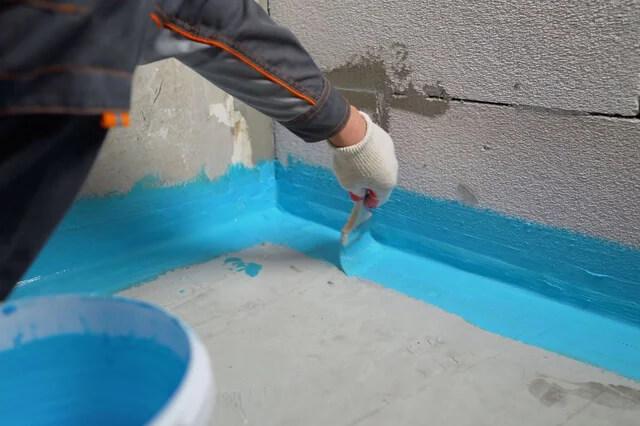
- Wall sealants
- Vapor barriers
Exterior Solutions
- French drains
- Exterior wall waterproofing
- Soil grading correction
- Gutter system redesign
Structural Repairs
- Crack injections
- Reinforcement strips
- Carbon fiber bracing
- Foundation wall stabilization
Every home is different, and early diagnosis saves thousands in long-term repairs.
FAQs
Q1: Can I waterproof my basement myself?
Minor humidity issues can be managed, but structural or moisture infiltration problems require professional expertise to prevent future damage.
Q2: Are basement smells really a sign of moisture?
Yes. Musty smells are caused by mold spores activated by high moisture levels.
Q3: What’s the best season to get waterproofing done?
Dry seasons (pre-summer or post-monsoon) are ideal, as walls and soil remain easier to treat.
Q4: How often should I inspect my basement?
At least twice a year—before and after the monsoon season.
Final Thoughts
Your basement won’t suddenly flood—problems grow slowly and quietly. Noticing these early red flags helps you protect your home, health, and long-term investment. When any of the above signs appear, it’s a strong indication that Basement waterproofing services may be necessary to keep moisture from becoming a much bigger—and costlier—issue.

 English
 Arabic
 French
 Spanish
 Deutsch
 Turkish
 Dutch
Dutch
 Italiano
 Russian
 Romaian
 Portuguese (Brazil)
 Greek
Greek