
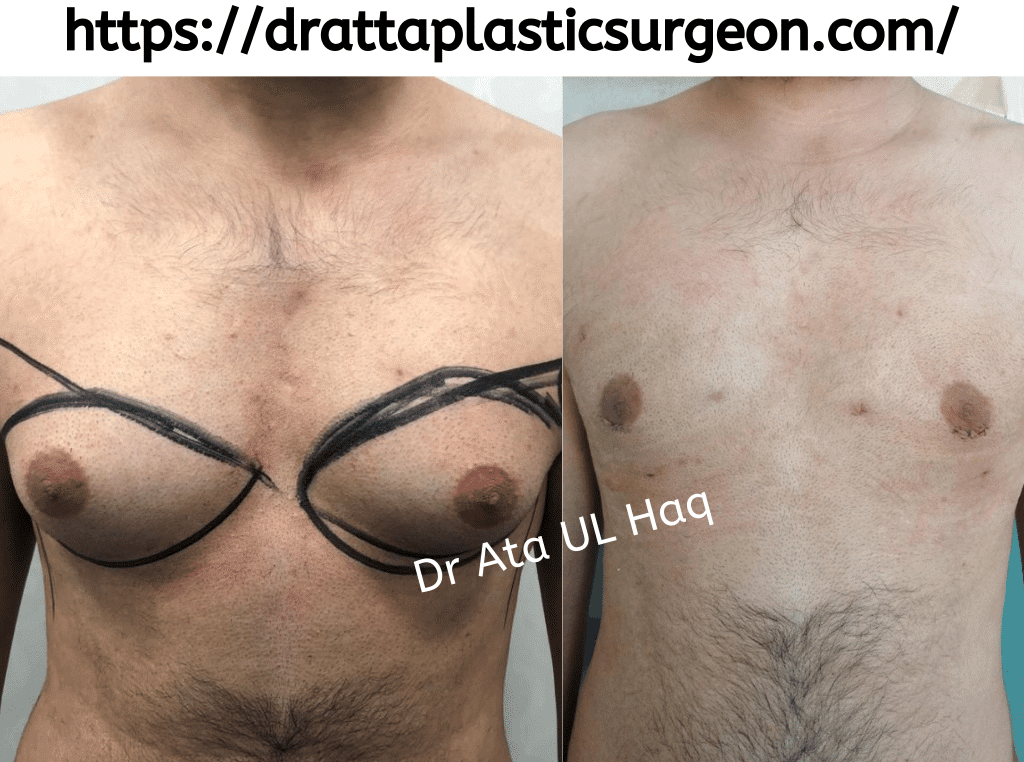
Gynecomastia surgery, also known as male breast reduction, is widely recognized as a safe and effective procedure for reducing excess glandular tissue and achieving a flatter, more masculine chest contour. As with any surgical intervention, however, patients often ask an essential question: Is gynecomastia surgery dangerous?
In this comprehensive article, we explore the safety profile of gynecomastia surgery, potential risks, modern techniques, surgeon qualifications, and recovery expectations to help individuals make informed decisions.
Understanding Gynecomastia and Why Surgery Is Performed
Gynecomastia is the benign enlargement of male breast tissue, often caused by hormonal imbalances, genetics, medications, or lifestyle factors. While non-surgical treatments may help in early stages, many men opt for surgery when glandular tissue becomes persistent or emotionally distressing.
Gynecomastia surgery typically involves:
-
Liposuction to remove excess fat
-
Excision to remove denser glandular tissue
-
Combination techniques for sculpting a natural chest contour
Because these techniques are well-established and performed globally, the procedure is considered safe when carried out by a board-certified, experienced plastic surgeon.
How Safe Is Gynecomastia Surgery?
Gynecomastia surgery is regarded as low-risk when performed on healthy individuals by qualified professionals. Advances in surgical tools, anesthesia, and post-operative care have significantly reduced complication rates.
Key factors that contribute to its safety include:
-
Minimally invasive surgical techniques
-
Short operative times (typically 1–2 hours)
-
Low complication and revision rates
-
Outpatient procedure with same-day discharge
-
Quick return to normal routines
The vast majority of patients recover without major issues and experience long-lasting results.
Potential Risks of Gynecomastia Surgery
While gynecomastia surgery is safe, it is important to understand the possible risks. Complications are rare but can include:
1. Bruising and Swelling
These are normal post-operative effects that improve over the first few weeks. Compression garments help minimize swelling and support healing.
2. Infection
As with any surgery, infection is a potential risk. Surgeons prescribe preventive antibiotics and provide detailed wound-care instructions to protect patients.
3. Hematoma or Seroma
Accumulation of blood (hematoma) or fluid (seroma) under the skin may occur, requiring drainage in some cases.
4. Scarring
Incisions are typically small and strategically placed, but some individuals may develop thicker or more visible scars.
5. Changes in Sensation
Temporary numbness or hypersensitivity in the chest area is common and usually resolves over time.
6. Asymmetry
Minor asymmetry can occur, but experienced surgeons work meticulously to achieve balanced, natural-looking results.
7. Skin Irregularities
In rare cases, contour irregularities may occur, often due to uneven fat removal. Skilled surgeons use advanced sculpting techniques to minimize this.
8. Anesthesia Risks
Modern anesthesia is extremely safe, especially for healthy patients undergoing short procedures. Still, any anesthesia involves small inherent risks.
Who Is Most at Risk for Complications?
Although gynecomastia surgery is safe for most, certain factors may increase risks:
-
Smoking or nicotine use (delays healing)
-
Chronic medical conditions such as diabetes or heart disease
-
Obesity
-
Use of blood-thinning medications
-
Hormonal imbalances not addressed prior to surgery
Proper pre-surgical screening ensures that only ideal candidates proceed, significantly reducing complication likelihood.
How Surgeons Minimize Risks During Gynecomastia Surgery
Skilled surgeons take several steps to ensure optimal safety:
Thorough Pre-Operative Evaluation
This includes:
-
Blood tests
-
Detailed medical history
-
Physical examination
-
Assessment of glandular vs. fatty tissue
Advanced Surgical Techniques
Surgeons utilize:
-
Microcannula liposuction for precision
-
Minimal-incision gland excision
-
Tissue sculpting to achieve symmetry
Infection Control Standards
Sterile environments and advanced protocols protect patients from postoperative infections.
Specialized Post-Operative Instructions
These include:
-
Wearing compression garments
-
Medications to manage discomfort
-
Activity limitations
-
Follow-up appointments
All these measures help ensure smooth healing and maintain the safety profile of the procedure.
What to Expect During Recovery
The recovery period is generally straightforward and well-tolerated.
Immediate Post-Operative Phase
-
Patients return home the same day
-
Light soreness and swelling are normal
-
Compression garment use begins immediately
1–2 Weeks After Surgery
-
Most return to work within 3–5 days
-
Light physical activity is allowed
-
Swelling continues to reduce
4–6 Weeks After Surgery
-
Normal exercise routines can resume
-
Bruising typically disappears
-
Chest contour becomes more defined
3–6 Months After Surgery
-
Final results become visible
-
Sensation continues improving
-
Scars fade significantly
Following surgeon instructions closely ensures optimal results and minimizes risks.
When to Seek Medical Attention
Although rare, some symptoms warrant prompt evaluation:
-
Persistent fever
-
Sudden increase in swelling
-
Difficulty breathing
-
Excessive bleeding
-
Severe pain unrelieved by medication
Timely medical attention prevents complications from worsening.
Is Gynecomastia Surgery Worth the Risks?
For most patients, the answer is yes. The physical and psychological benefits often outweigh the minimal risks involved. Patients commonly report:
-
Improved chest appearance
-
Increased self-confidence
-
Better posture and comfort
-
Freedom to wear fitted clothing
-
Reduced embarrassment during activities like swimming
When performed by a reputable surgeon, gynecomastia surgery offers long-lasting, transformative results with a strong safety record.
How to Ensure the Safest Possible Surgical Experience
Patients can actively contribute to their own safety by:
-
Choosing a board-certified plastic surgeon
-
Reviewing before-and-after photos
-
Asking about the surgeon’s experience with gynecomastia cases
-
Disclosing full medical history
-
Following all pre- and post-operative instructions
-
Avoiding smoking and alcohol before surgery
-
Keeping scheduled follow-up visits
Being well-informed and compliant significantly reduces the risk of complications.
Conclusion: Gynecomastia Surgery Is Generally Safe When Performed by Experts
Gynecomastia surgery is considered a safe, effective, and reliable procedure that delivers high satisfaction rates when performed by qualified professionals. Although risks exist, they are typically minor and manageable. With proper preparation, realistic expectations, and adherence to post-operative care, most individuals achieve excellent outcomes with minimal discomfort.

 English
 Arabic
 French
 Spanish
 Portuguese
 Deutsch
 Dutch
Dutch
 Italiano
 Russian
 Romaian
 Portuguese (Brazil)
 Greek
Greek