
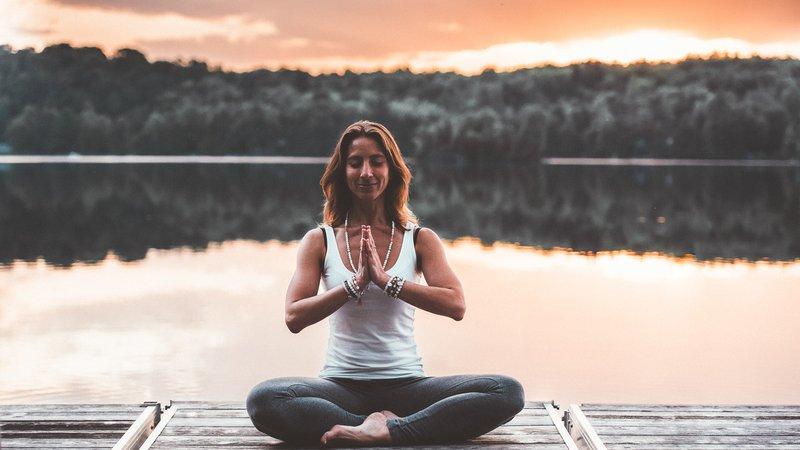
Canada has become a thriving destination for wellness travellers seeking peace, connection, and rejuvenation. With its pristine lakes, majestic mountains, lush forests, and calm coastal settings, it offers the perfect backdrop for a meaningful yoga retreat. However, with so many options across provinces—from British Columbia’s serene coastline to the tranquil wilderness of Quebec and the natural expanses of the Rockies—choosing the perfect retreat can feel overwhelming. The right choice depends on your goals, comfort level, interests, and the type of experience you want to create.
If you are planning a yoga getaway, here is a comprehensive guide on how to choose the perfect yoga retreat in Canada that aligns with your needs and enhances your wellness journey.
-
Define Your Purpose for Attending a Retreat
Before you begin browsing retreats, ask yourself why you want to go on one. Every retreat offers a different vibe, teaching style, and purpose. Your intention will guide your choice.
Common goals include:
Relaxation and stress relief
Deepening a yoga practice
Detoxing or resetting physically and mentally
Improving mindfulness and meditation skills
Spending time in nature
Healing from emotional burnout
Exploring spirituality or self-awareness
Understanding your intention helps filter out options that don't align. For example, if you're seeking silence and introspection, a retreat focused on adventure and group activities may not suit you. Conversely, if you want to socialize and explore Canadian landscapes, an intensive silent retreat might feel isolating.
-
Choose the Right Location
Canada offers diverse landscapes, and your environment plays a major role in your retreat experience.
British Columbia
Perfect for oceanfront retreats, rainforest stays, and mountain-view yoga sessions. Vancouver Island, the Sunshine Coast, and Whistler are popular for their peaceful and nature-rich settings.
Alberta
Home to the Rockies, ideal for those who dream of yoga sessions overlooking turquoise lakes and alpine peaks. Retreats often combine hiking, wellness workshops, and mindful movement.
Ontario
A great option for weekend escapes near Toronto or Ottawa. Muskoka and Algonquin regions offer lakeside cottages, forest lodges, and charming wellness centers.
Quebec
Known for rustic retreats, nature sanctuaries, and culturally rich environments. Quebec retreats often blend yoga with meditation, holistic therapies, and traditional wellness practices.
Atlantic Canada
For those who love ocean breezes, quiet beaches, and slow-paced living. Nova Scotia and Prince Edward Island offer hidden gems perfect for deep relaxation.
Think about what kind of environment calms you. Do you prefer a beachfront setting, forests, mountains, or a wellness resort? Your surroundings will influence your overall energy throughout the retreat.
-
Consider the Style of Yoga and Program Structure
Every retreat features different yoga styles and schedules. Be sure to choose one that matches your level and preferences.
Types of yoga offered may include:
Hatha: Gentle, beginner-friendly
Vinyasa: Dynamic and energizing
Yin: Slow and meditative
Restorative: Deep relaxation
Ashtanga: Structured and disciplined
Kundalini: Spiritual and energetic
Hot yoga: Heated sessions (available at specific resorts)
Check whether the retreat is:
Beginner-friendly
Intermediate or advanced level
Mixed-level, with modifications provided
Review the daily schedule. Some retreats have structured programs from sunrise to evening, while others allow lots of free time. A sample day may include:
Morning meditation
Two yoga sessions
Plant-based meals
Nature activities or workshops
Evening relaxation practices
Choose a structure that suits your pace. If you prefer slow days, avoid overly packed itineraries.
-
Research the Teachers and Their Experience
The teacher you learn from can significantly shape your retreat experience. Look for:
Certification (200-hour or 500-hour YTT)
Teaching experience
Specialties such as trauma-informed yoga, meditation, Ayurveda, or energy healing
Approachability and communication style
Reviews from past participants
A teacher who resonates with your goals will help you grow more effectively, whether you're seeking spiritual depth, mental clarity, or physical strength.
-
Look at Accommodation and Amenities
Comfort matters more when you are dedicating yourself to healing and rejuvenation. Check the retreat’s living arrangements:
Private or shared rooms
Cabins, lodges, tents, or eco-houses
Availability of heating in colder regions
Bathrooms (private or communal)
Wellness facilities (spa, sauna, hot tubs)
Proximity to nature trails, lakes, or beaches
If you prefer solitude, pick a retreat with private rooms. If you enjoy community, shared accommodations may enhance your experience.
-
Review the Food Options
Most yoga retreats in Canada emphasize mindful eating, often incorporating:
Plant-based meals
Organic, locally sourced ingredients
Ayurvedic dishes
Gluten-free or allergy-friendly options
Check whether meals are included and if dietary restrictions are accommodated. Nutritious food supports detoxing, energy balancing, and overall well-being.
-
Decide the Duration and Budget
Retreats in Canada vary widely in duration and price.
Duration Options:
Weekend retreats (2–3 days) – perfect for a short reset
Mid-length retreats (4–6 days) – good for deeper relaxation
Week-long retreats (7+ days) – ideal for transformation
Extended programs (2–4 weeks) – suited for serious yogis or spiritual seekers
Budget Considerations:
Costs depend on:
Location
Teacher experience
Accommodation type
Meals
Activities and workshops
Season (summer and fall tend to be pricier)
Set a budget beforehand and compare what each retreat offers. Sometimes a slightly higher price provides much more value in terms of comfort, expertise, and holistic experiences.
-
Read Reviews and Testimonials
Reviews from past participants often reveal details that aren’t clear from the retreat’s website. Look for comments on:
Quality of teaching
Cleanliness
Food
Atmosphere and energy
Group dynamics
Organization and hospitality
Whether expectations matched reality
Authentic reviews help you anticipate what your experience might feel like.
-
Pay Attention to Group Size
Group size can influence your comfort level and learning experience.
Small groups (6–12 people): More personalized attention
Medium groups (12–20 people): Balanced social and individual experience
Large retreats (20+ people): More energetic environment but less individualized guidance
Choose according to your personality—introverts may prefer intimate retreats, while social yogis might enjoy larger gatherings.
-
Check Additional Activities
Retreats in Canada often integrate unique experiences such as:
Nature hikes
Cold plunges
Forest bathing
Kayaking or paddleboarding
Wellness workshops
Sound healing
Spa therapy
Art sessions
Mindfulness classes
Indigenous cultural experiences

 English
 Arabic
 French
 Spanish
 Portuguese
 Deutsch
 Turkish
 Dutch
Dutch
 Italiano
 Russian
 Romaian
 Greek
Greek