
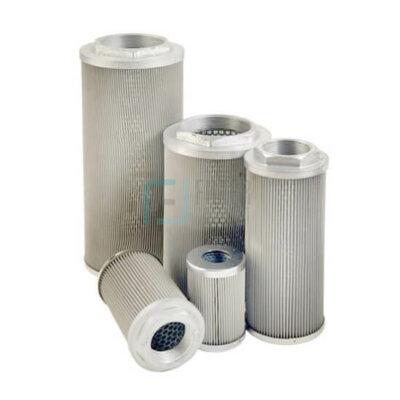
In any engine—whether it’s in a car, truck, motorcycle, generator, or industrial equipment—lubrication is the lifeline that keeps moving parts running smoothly. At the center of an effective lubrication system is the lube oil filter, a small yet powerful component that plays a critical role in maintaining engine health. Without a reliable lube oil filter, engines would suffer rapid wear, reduced efficiency, and costly breakdowns. This blog explores everything you need to know about lube oil filters, how they work, why they matter, and how to choose the right one for your machinery.
What Is a Lube Oil Filter?
A lube oil filter is a filtration device designed to remove contaminants from engine oil. Over time, engine oil accumulates impurities such as dust, metal particles, sludge, carbon deposits, and oxidized oil residues. If these contaminants recirculate inside the engine, they can damage internal components like bearings, camshafts, pistons, and crankshafts.
The lube oil filter traps these impurities and provides clean oil to the engine, ensuring smoother operation, lower wear and tear, and longer service life.
How Does a Lube Oil Filter Work?
A lube oil filter operates through a simple yet effective mechanism:
1. Oil Enters the Filter
Engine oil is pumped into the filter housing under pressure. This oil carries all the impurities accumulated during engine operation.
2. Filtration Through Media
Inside the filter, oil passes through a specially designed filter media, usually made from cellulose, synthetic fibers, or a blend of both. The media captures contaminants while allowing clean oil to pass through.
3. Clean Oil Flows Back
After filtration, clean oil circulates back into the engine components, ensuring lubrication and cooling.
4. Bypass Valve Protection
Most lube oil filters include a bypass valve. If the filter becomes clogged or oil thickens due to cold weather, the valve opens to allow oil to flow directly to the engine, preventing oil starvation.
This continuous process keeps the engine protected at all times.
Why Is a Lube Oil Filter Important?
A lube oil filter is essential for many reasons:
1. Extends Engine Life
Clean oil reduces friction between moving parts, preventing wear and heat build-up. A high-quality filter ensures contaminants don’t damage internal surfaces, thus extending engine life.
2. Maintains Engine Efficiency
Contaminated oil thickens and loses its lubricating properties. By keeping oil clean, the filter maintains consistent engine performance and efficiency.
3. Prevents Breakdown and Failures
Metal shavings or carbon particles in oil can cause serious engine failures. A good filter captures these particles and prevents expensive repairs.
4. Enhances Oil Longevity
Filtration keeps oil cleaner for longer, reducing the frequency of oil changes and saving maintenance costs.
5. Protects Against Excessive Wear
Engines with poor filtration often develop premature wear due to abrasive particles. A reliable lube oil filter keeps wear under control and ensures smoother operation.
Types of Lube Oil Filters
Different engines and equipment require different types of oil filters. Some common types include:
1. Full-Flow Oil Filters
These filters allow all engine oil to pass through before reaching critical components. They are the most widely used in automotive engines.
2. Bypass Oil Filters
These filters clean a small portion of oil at a time but offer finer filtration. They work alongside full-flow filters in heavy-duty or high-performance systems.
3. Cartridge Oil Filters
These are simple filter elements inserted into a reusable housing. They are eco-friendly and commonly used in modern cars.
4. Spin-On Oil Filters
This design combines both the filter media and housing in a single unit. They are easy to install and replace.
5. Magnetic Filters
These filters use magnets to capture metal particles. They are often used as supplemental filters for enhanced protection.
Signs That Your Lube Oil Filter Needs Replacement
Knowing when to replace your lube oil filter is crucial. Some common signs include:
1. Drop in Oil Pressure
A clogged filter restricts oil flow, leading to lower oil pressure.
2. Dirty or Dark Oil
If the oil looks excessively dirty soon after a change, the filter might not be functioning properly.
3. Poor Engine Performance
Reduced lubrication affects fuel efficiency, power delivery, and smoothness.
4. Overheating Engine
Contaminants in oil can increase friction and heat build-up.
5. Noisy Engine
Knocking, ticking, or grinding sounds may indicate poor lubrication due to a failing oil filter.
How Often Should You Change a Lube Oil Filter?
Most manufacturers recommend replacing the oil filter every time you change the engine oil. For regular vehicles, this is usually between 5,000 to 10,000 km, depending on the oil type and driving conditions.
For commercial vehicles, industrial engines, or heavy-duty equipment, oil filter replacement intervals may vary. Always follow the manufacturer’s guidelines.
Factors to Consider When Choosing a Lube Oil Filter
When selecting a lube oil filter, keep these points in mind:
1. Filtration Efficiency
Choose a filter with high contaminant-holding capacity and fine filtration levels.
2. Material Quality
Synthetic media provides better filtration and lasts longer than cellulose-based media.
3. Compatibility
Ensure the filter matches your engine’s specifications and oil system requirements.
4. Bypass Valve Rating
The valve should match the engine’s pressure needs to avoid oil starvation.
5. Brand Reliability
Choose reputable manufacturers known for quality and durability.
Benefits of Using a High-Quality Lube Oil Filter
A premium oil filter offers several advantages, such as:
-
Better engine protection
-
Longer oil service intervals
-
Improved fuel efficiency
-
Cleaner engine internals
-
Lower maintenance costs
-
Better performance under extreme temperatures
Investing in a high-quality engine oil filter is always more cost-effective than paying for engine repairs later.
Conclusion
A lube oil filter may be a small engine component, but its role is indispensable. It ensures that the engine receives clean, contaminant-free oil, which directly impacts performance, efficiency, and longevity. Whether you own a vehicle, operate heavy machinery, or maintain industrial equipment, choosing the right lube oil filter and replacing it on time is one of the simplest and most effective ways to take care of your engine.
Clean oil means a cleaner, healthier, and more reliable engine—and the lube oil filter makes that possible.

 English
 Arabic
 French
 Spanish
 Portuguese
 Deutsch
 Turkish
 Italiano
 Russian
 Romaian
 Portuguese (Brazil)
 Greek
Greek