
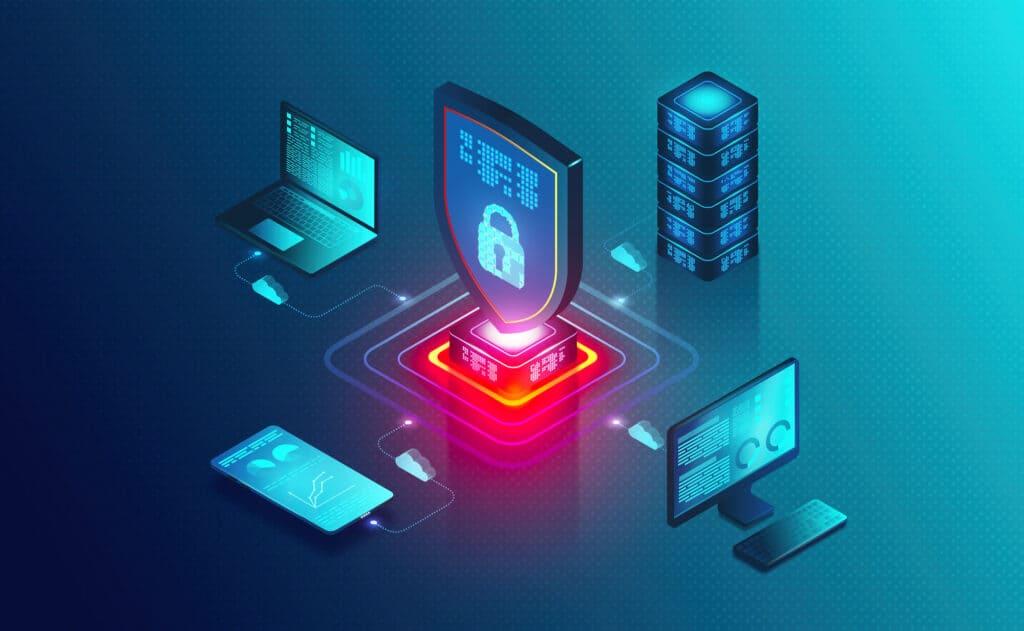
In today’s hyperconnected world, cybersecurity has become one of the most pressing priorities for governments, businesses, and individuals alike. With cyberattacks growing in frequency and sophistication, the demand for skilled cybersecurity professionals continues to rise at an unprecedented rate. But traditional learning alone is no longer enough to prepare talent for real-world threats. This is where cybersecurity hackathons have emerged as powerful, experience-driven platforms for learning, innovation, and talent discovery.
A cybersecurity hackathon is a competitive, high-energy event where students, professionals, and enthusiasts attempt to solve security-related challenges within a fixed timeframe. Participants engage in tasks such as penetration testing, network forensics, reverse engineering, cryptography, incident response, and vulnerability analysis. These challenges simulate live cyberattack scenarios, providing hands-on experience that goes far beyond textbooks and classrooms.
Why Cybersecurity Hackathons Matter Today?
Cybersecurity hackathons play a crucial role in shaping industry-ready professionals. They cultivate skills that companies increasingly prioritize:
1. Real-World Problem Solving
Participants are exposed to practical problems—from detecting malware infections to defending networks from simulated attacks. These exercises force participants to think critically and respond quickly, just as they would during actual cyber incidents.
2. Exposure to Latest Threats and Tools
Hackathons usually incorporate modern tools, threat scenarios, and techniques used by adversaries in the real world. This gives participants a competitive edge and keeps their knowledge up to date.
3. Building Collaboration and Leadership
Most cybersecurity challenges require teamwork. Working together under time pressure teaches communication, coordination, and leadership—essential skills for cybersecurity professionals who often operate as part of a larger SOC or incident response team.
4. Portfolio-Worthy Achievements
Performing well in a cybersecurity hackathon is a strong indicator of skill and commitment. Participants often add hackathon badges, achievements, and rankings to their portfolios, strengthening their credibility during job applications.
5. A Talent Pipeline for Organizations
For companies, cybersecurity hackathons offer a unique opportunity to identify passionate, highly skilled individuals. Recruiters can evaluate participants based on performance, teamwork, and problem-solving ability in a real-world context.
Where U Elevate: Enabling Cybersecurity Learning Through Challenge-Based Experiences
Modern platforms have been instrumental in making cybersecurity hackathons more accessible, structured, and impactful. Where U Elevate is a standout example, serving as a platform partner for events such as the InfoSec University Hackathon 2025. Its involvement in such initiatives helps create a more robust pipeline of cybersecurity talent by providing students and early-career professionals with opportunities to test their skills in competitive environments.
Where U Elevate’s strength lies in its ability to integrate skill building with opportunity discovery. Through collaborations with organizations and learning communities, it supports hackathons that encourage participants to tackle cybersecurity challenges in a hands-on, engaging format. This model benefits both learners—who gain exposure and confidence—and companies that seek emerging cybersecurity talent.
By hosting and supporting such events, Where U Elevate fosters an ecosystem where freshers and young professionals can gain visibility, prove their capabilities, and stand out in the rapidly evolving cybersecurity domain.
Key Elements of a Successful Cybersecurity Hackathon
Whether you're a participant, university, or organization planning to host one, understanding the core components of a successful cybersecurity hackathon is essential.
1. Well-Designed Challenges
The heart of any cybersecurity hackathon lies in its challenges. These must be realistic, varied, and aligned with current industry needs. Categories often include:
-
Penetration testing (web/app exploits)
-
Capture the Flag (CTF) challenges
-
Malware analysis
-
Threat intelligence
-
OSINT tasks
-
Cryptography and codebreaking
-
Forensics and incident response
A good mix ensures participants of all skill levels can engage meaningfully.
2. A Fair and Transparent Scoring System
Clear scoring mechanisms—based on time, accuracy, complexity, and teamwork—ensure fairness and motivate participants to strategize carefully.
3. Mentorship and Learning Support
Effective hackathons provide access to cybersecurity experts who can guide, troubleshoot, and mentor participants. This makes the event not just a competition but a learning experience.
4. Collaboration Tools and Secure Environments
A well-configured virtual environment, labs, and analysis tools ensure participants can work seamlessly without security risks or technical downtime.
5. Industry Participation
Organizations that sponsor or partner with hackathons often recruit directly from top performers. Their involvement adds credibility and relevance to the event.
Benefits for Students and Early-Career Professionals
Cybersecurity hackathons offer unmatched advantages for learners:
-
Hands-on experience using modern tools
-
Real-world exposure to attack and defense scenarios
-
Networking opportunities with mentors and industry experts
-
Confidence boosting through teamwork and competition
-
Career visibility, especially when platforms like Where U Elevate highlight the best performers
These events often accelerate career growth by helping freshers stand out in a highly competitive cybersecurity job market.
The Future of Cybersecurity Hackathons
As cyber threats become more advanced with AI-driven attacks, deepfakes, and cloud vulnerabilities, the need for innovative defenders will only grow. Cybersecurity hackathons will continue to evolve, incorporating:
-
AI-assisted threat simulations
-
Cloud security challenges
-
Red team–blue team war games
-
Cross-border virtual hackathons
-
Specialized tracks like IoT, blockchain, and OT security
Platforms like Where U Elevate will play a key role in making these events more accessible, helping shape the next generation of cyber defenders through immersive, challenge-based learning.

 English
 Arabic
 French
 Portuguese
 Deutsch
 Turkish
 Dutch
Dutch
 Italiano
 Russian
 Romaian
 Portuguese (Brazil)
 Greek
Greek