
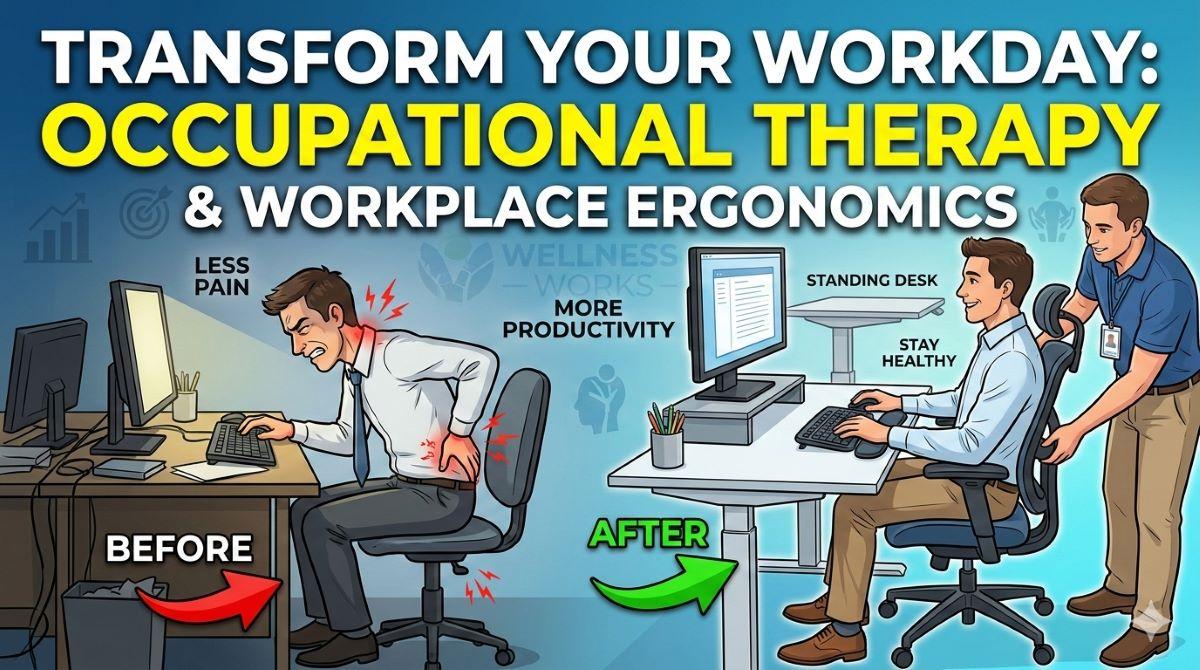
In modern organizations, employee health and productivity are closely connected. Long working hours, repetitive tasks, and poorly designed workstations can lead to physical strain and decreased performance. This is where occupational therapy in the workplace becomes valuable. Occupational therapists help employees work more safely and efficiently by improving the way tasks, environments, and tools are designed.
Workplace wellness is no longer just about offering gym memberships or occasional health seminars. Companies are now recognizing the importance of preventive health strategies that directly impact daily work routines. Occupational therapists evaluate how employees interact with their workspace and recommend practical adjustments that support both physical comfort and mental well-being.
What Occupational Therapy Looks Like in a Workplace Setting
Occupational therapy in professional environments focuses on helping employees perform their jobs without unnecessary strain or injury. Instead of treating problems only after they appear, therapists focus on prevention.
Some common workplace interventions include:
- Assessing workstation setup and posture
- Identifying repetitive movements that may cause strain
- Recommending supportive equipment
- Teaching employees safe work habits
- Designing return-to-work programs after injuries
These interventions benefit both employees and employers. Workers experience fewer physical issues, and organizations see improvements in productivity and reduced absenteeism.
Why Workplace Injuries Are Increasing
Many modern jobs require employees to sit at desks for long hours or perform repetitive tasks. Without proper support, these activities can lead to conditions such as:
- Neck and shoulder tension
- Lower back pain
- Carpal tunnel syndrome
- Eye strain and fatigue
In industries such as manufacturing, healthcare, and logistics, the risks can be even higher due to lifting, bending, or prolonged standing. Occupational therapists analyze these risk factors and develop strategies to reduce them before they become serious health concerns.
The Role of Ergonomics in Occupational Therapy
A major component of workplace health is ergonomics occupational therapy. Ergonomics focuses on designing workspaces and tools so they fit the needs of the person using them.
When therapists apply ergonomic principles, they aim to create an environment that supports natural body movement and reduces unnecessary strain.
Examples of ergonomic improvements include:
- Adjusting chair height and lumbar support
- Positioning monitors at eye level
- Providing ergonomic keyboards and mice
- Recommending standing desks or adjustable workstations
- Improving lighting to reduce eye strain
Small changes like these can make a significant difference in comfort and efficiency throughout the workday.
How Occupational Therapy Supports Different Types of Workplaces
Every industry has unique challenges, and occupational therapy adapts accordingly.
Office Environments
In desk-based jobs, therapists focus on posture, screen positioning, and reducing repetitive hand movements. They may also introduce stretching routines to prevent stiffness during long work sessions.
Healthcare Settings
Healthcare workers often perform physically demanding tasks such as lifting patients or standing for long periods. Occupational therapists help develop safer lifting techniques and recommend equipment that reduces strain.
Manufacturing and Industrial Jobs
Workers in these industries often deal with repetitive movements and heavy machinery. Occupational therapists analyze workflow and recommend adjustments that improve safety and efficiency.
Remote Work Environments
With more employees working from home, many people use improvised workstations that lack proper support. Therapists can guide remote workers in setting up ergonomic home offices that prevent discomfort and fatigue.
Benefits for Employers
Organizations that invest in workplace health programs often see long-term benefits. Occupational therapy can contribute to:
Reduced injury rates
Preventive strategies help minimize workplace injuries.
Lower healthcare costs
Fewer injuries mean fewer medical claims and compensation cases.
Improved productivity
Employees who feel comfortable and supported can focus better on their work.
Better employee retention
A healthy work environment encourages staff to stay with the company longer.
Stronger workplace culture
Employees appreciate companies that actively support their well-being.
Benefits for Employees
From an employee’s perspective, occupational therapy provides practical support that improves everyday work life.
Workers may experience:
- Less physical discomfort
- Improved posture and movement habits
- Reduced fatigue during long workdays
- Greater confidence in performing job tasks
- A healthier work-life balance
Over time, these improvements can significantly enhance overall quality of life.
Preventive Strategies Employees Can Use
Even small daily habits can reduce workplace strain. Occupational therapists often recommend simple practices such as:
Take regular movement breaks
Standing or stretching every 30–60 minutes can reduce muscle stiffness.
Maintain neutral posture
Keep shoulders relaxed, feet flat on the floor, and wrists aligned with the keyboard.
Adjust screen height
The top of the monitor should generally align with eye level.
Use supportive equipment
Ergonomic chairs, keyboards, and mouse devices can reduce repetitive strain.
Stay mindful of body signals
Early signs of discomfort should not be ignored. Addressing them quickly can prevent more serious injuries.
The Future of Workplace Health
As organizations continue to prioritize employee well-being, the demand for workplace health specialists is growing. Occupational therapists are becoming key contributors to corporate wellness programs, injury prevention initiatives, and return-to-work planning.
Advances in technology are also changing how therapy services are delivered. Virtual consultations, digital workspace assessments, and remote wellness programs allow therapists to support employees in both traditional offices and remote environments.
These developments make occupational therapy more accessible and effective across a wide range of industries.
Final Thoughts
Healthy workplaces are not created by chance—they are designed with employee well-being in mind. Occupational therapy in the workplace helps organizations identify risk factors, improve work environments, and support employees in performing their jobs safely and efficiently.
By combining practical strategies with ergonomics occupational therapy, companies can reduce injuries, improve comfort, and create a work culture that values health as much as productivity. Over time, these efforts benefit not only individual workers but the entire organization.

 Arabic
 French
 Spanish
 Portuguese
 Deutsch
 Turkish
 Dutch
Dutch
 Italiano
 Russian
 Romaian
 Portuguese (Brazil)
 Greek
Greek