
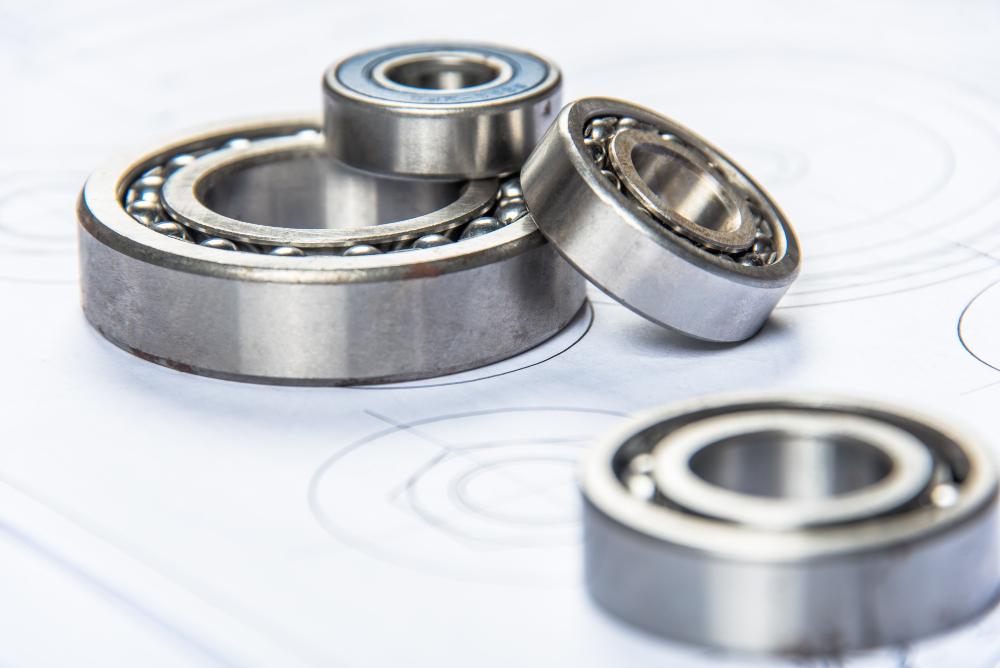
Unexpected machine vibration, overheating, or strange grinding noises are often early warning signs of internal mechanical wear. Many industries overlook one critical component that directly affects performance and efficiency — the roller ball bearing.
Whether used in automotive systems, industrial machinery, conveyors, or rotating equipment, bearings ensure smooth motion by reducing friction between moving parts. When a bearing begins to fail, it doesn’t just reduce performance — it increases downtime, repair costs, and safety risks.
If your equipment shows signs of instability or irregular rotation, inspecting the roller ball bearing should be a top priority.
Why Roller Ball Bearings Fail Over Time
A roller ball bearing is engineered to handle radial and axial loads while maintaining alignment between rotating shafts and housings. It supports high-speed rotation and ensures consistent torque transmission.
However, several factors contribute to premature failure:
1. Poor Lubrication
Insufficient or contaminated lubrication increases friction and accelerates wear of rolling elements.
2. Contamination
Dust, moisture, and debris entering the bearing housing can damage internal surfaces and compromise sealing systems.
3. Misalignment
Improper shaft alignment creates uneven load distribution, leading to vibration and early fatigue.
4. Overloading
Excessive weight or operational stress beyond design capacity can deform internal components.
Ignoring these causes can quickly result in operational inefficiencies and unexpected breakdowns.
Warning Signs You Should Never Ignore
Recognizing early symptoms helps prevent complete mechanical failure. Watch for:
-
Increased vibration during operation
-
Unusual humming, grinding, or rattling sounds
-
Excessive heat buildup
-
Reduced rotational speed
-
Sudden drop in equipment efficiency
These indicators often point to internal wear or structural damage within the bearing system. Replacing a worn roller ball bearing at the right time ensures smooth and reliable machine performance.
The Hidden Costs of Delayed Replacement
Delaying bearing maintenance affects more than just one component. A failing bearing can cause:
-
Shaft damage
-
Housing deformation
-
Increased energy consumption
-
Production downtime
-
Safety hazards for operators
In industrial environments, even a few hours of downtime can lead to significant financial loss. Preventive replacement is far more cost-effective than emergency repairs and production interruptions.
Performance Benefits of High-Quality Bearings
Installing a durable and precision-engineered roller ball bearing offers multiple advantages:
Improved Load Distribution
Optimized internal geometry ensures balanced stress handling.
Reduced Friction
Smooth rolling elements minimize energy loss and enhance efficiency.
Longer Service Life
High-grade steel construction resists wear and fatigue.
Enhanced Equipment Stability
Consistent rotation reduces vibration and mechanical strain.
Modern bearing technology incorporates advanced sealing systems and heat-treated materials designed for demanding operational environments. Selecting the right bearing for your application ensures maximum durability and reliability.
Preventive Maintenance: Your Best Defense
Routine inspection and lubrication are critical for extending bearing life. Establishing a scheduled maintenance plan allows early detection of wear patterns, surface damage, and lubrication breakdown.
Best practices include:
-
Monitoring vibration levels
-
Checking operating temperatures
-
Inspecting seals for contamination
-
Following proper installation torque guidelines
Proactive maintenance reduces the risk of sudden mechanical failure and ensures consistent equipment productivity.
Protect Your Equipment Before It Fails
A roller ball bearing may seem like a small mechanical component, but its impact on performance, safety, and operational costs is significant. Excessive vibration, overheating, and strange noises are not minor inconveniences — they are warning signals.
Addressing bearing issues early prevents cascading damage to shafts, housings, and connected systems. Investing in high-quality components and timely replacement ensures smoother operations, lower maintenance costs, and improved long-term reliability.
Don’t wait for a complete shutdown. If your equipment shows signs of instability, inspecting and replacing worn bearings today can save you substantial repair costs tomorrow.

 Arabic
 French
 Spanish
 Portuguese
 Deutsch
 Turkish
 Dutch
Dutch
 Italiano
 Russian
 Romaian
 Portuguese (Brazil)
 Greek
Greek