
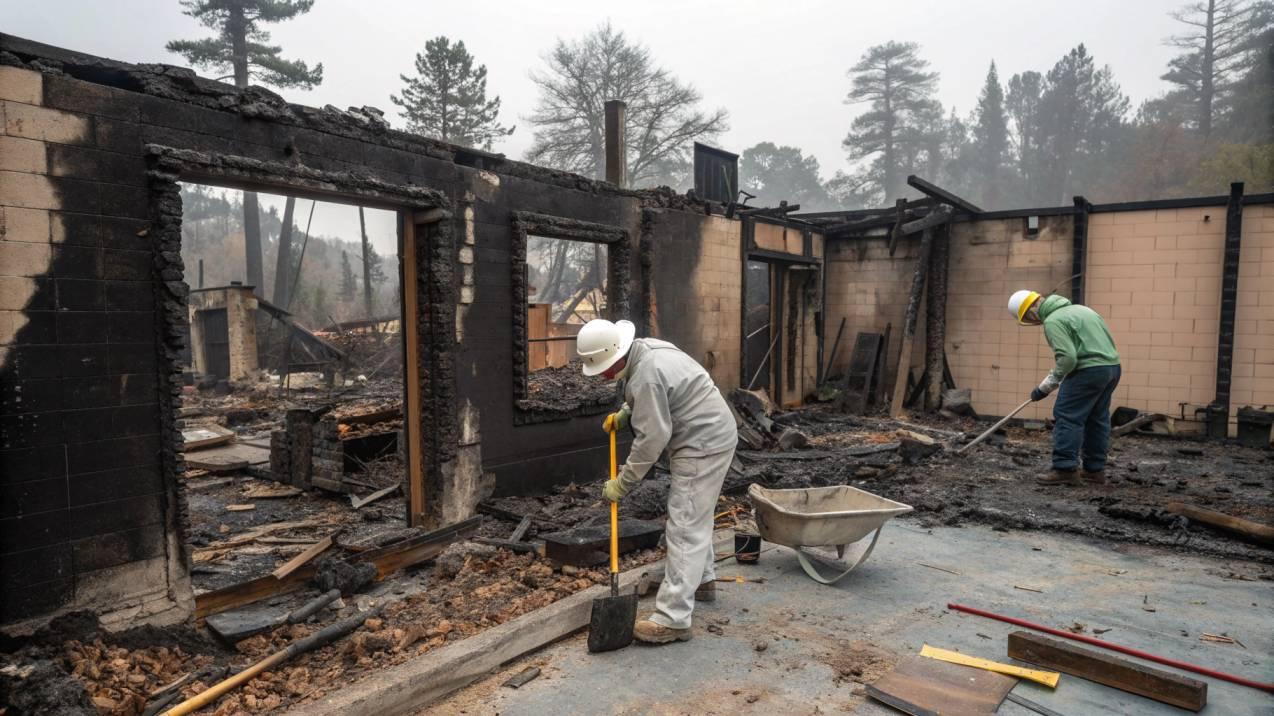
Certified fire cleanup experts play a vital role in restoring homes and businesses safely after a fire. They begin with a thorough damage assessment to evaluate structural integrity, smoke contamination, and water damage. Using advanced equipment like HEPA air scrubbers, industrial dehumidifiers, and specialized cleaning agents, they remove soot, eliminate odors, and prevent mold growth. Professionals also secure the property, dispose of hazardous materials properly, and restore indoor air quality. Following industry standards such as IICRC guidelines ensures safe and effective results. From structural repairs to insurance documentation, experts manage the entire recovery process. Their training, certification, and systematic approach ensure properties are fully restored, safe for occupancy, and protected from long-term health and structural risks.
-
Introduction
A fire can cause devastating damage to both residential and commercial properties. Beyond visible destruction, fires leave behind hazardous smoke residue, soot contamination, structural instability, and water damage from firefighting efforts. Without professional intervention, these issues can pose serious health and safety risks. This is where fire cleanup experts play a critical role. Certified professionals follow strict industry standards and proven restoration techniques to ensure properties are not only cleaned but fully restored to a safe, livable condition. Their expertise, specialized equipment, and adherence to safety regulations make all the difference in successful recovery after a fire.
1. Immediate Damage Assessment and Safety Inspection
The first step certified professionals take is conducting a comprehensive damage assessment. This includes:
- Evaluating structural integrity
- Identifying areas affected by smoke and soot
- Detecting water damage from fire suppression
- Testing air quality
Experts follow guidelines set by the Institute of Inspection Cleaning and Restoration Certification (IICRC), a globally recognized authority in restoration standards. These standards ensure the restoration process meets professional safety benchmarks.
By carefully assessing the damage, certified technicians create a detailed action plan tailored to the specific property.
2. Securing the Property to Prevent Further Damage
After inspection, professionals secure the site. This may involve:
- Boarding up broken windows
- Installing temporary roofing tarps
- Restricting access to unsafe areas
- Stabilizing compromised structures
Securing the property prevents additional weather damage, theft, and liability risks. For commercial properties, this step is particularly important to minimize business interruption and protect valuable equipment or inventory.
3. Advanced Smoke and Soot Removal Techniques
Smoke and soot are among the most dangerous byproducts of a fire. They contain toxic particles that can penetrate walls, furniture, and HVAC systems.
Certified restoration teams use:
- HEPA air filtration systems
- Thermal fogging equipment
- Ozone treatments
- Specialized chemical sponges
- Industrial-grade vacuums
These tools remove microscopic contaminants that standard cleaning methods cannot eliminate. Professionals also assess the type of fire (protein, electrical, natural material, etc.) because each produces different residue requiring specialized cleaning solutions.
4. Water Extraction and Mold Prevention
Water damage often accompanies fire damage due to firefighting efforts. If not addressed immediately, moisture can lead to mold growth within 24–48 hours.
Certified technicians use:
- Industrial water extractors
- Commercial dehumidifiers
- Moisture meters
- Structural drying systems
By thoroughly drying affected areas, professionals prevent secondary damage and maintain a safe indoor environment. This step is essential for both residential and commercial fire recovery projects.
5. Safe Removal of Damaged Materials
In severe cases, parts of the property may need to be removed. This can include:
- Burned drywall
- Damaged insulation
- Charred flooring
- Contaminated carpeting
Certified professionals follow proper disposal protocols to prevent exposure to hazardous materials. Protective gear and containment barriers are used to safeguard both workers and occupants.
For businesses, careful demolition planning ensures minimal disruption to surrounding operations.
6. Deodorization and Air Quality Restoration
Lingering smoke odor can make a property uncomfortable or even unsafe. Certified experts use advanced deodorization methods that neutralize odor particles at their source rather than masking them.
This includes:
- Hydroxyl generators
- Ozone treatment (used safely in unoccupied spaces)
- Air scrubbers
- Deep surface cleaning
Restoring indoor air quality is critical to ensuring occupants can safely return to the property.
7. Structural Repairs and Full Restoration
The final phase involves rebuilding and restoring the property to its pre-loss condition. This may include:
- Drywall installation
- Flooring replacement
- Electrical system repair
- Painting and finishing
Professional restoration teams coordinate all aspects of reconstruction, ensuring compliance with local building codes and safety regulations.
The comprehensive approach to Fire cleanup and restoration ensures that the property is structurally sound, visually restored, and safe for occupancy.
8. Insurance Coordination and Documentation
Certified restoration companies also assist property owners with insurance claims. They:
- Document damage thoroughly
- Provide detailed reports
- Submit cost estimates
- Communicate directly with insurance adjusters
Proper documentation speeds up claim approvals and reduces financial stress for homeowners and business owners.
Why Certification and Experience Matter
Not all cleanup services are equal. Certified fire restoration professionals undergo specialized training in:
- Hazard identification
- Chemical safety
- Structural drying
- Smoke remediation
- OSHA compliance
Their knowledge ensures the property is restored safely, efficiently, and in accordance with industry best practices.
Hiring experienced experts also reduces long-term risks such as structural weakness, hidden mold growth, and persistent air contamination.
Conclusion
Recovering from a fire requires more than surface cleaning it demands technical knowledge, specialized equipment, and strict safety protocols. Certified professionals follow a systematic process that includes inspection, containment, cleaning, deodorization, drying, and full reconstruction.
By trusting trained specialists, property owners can ensure their space is restored safely and efficiently. Choosing experienced teams for fire cleanup and restoration protects your health, your investment, and your peace of mind.
FAQs
Q1. How soon should fire cleanup begin after a fire?
A. Cleanup should begin as soon as the property is declared safe. Delays can lead to further damage and mold growth.
Q2. Is it safe to clean fire damage without professionals?
A. DIY cleanup is not recommended due to toxic soot, structural risks, and potential health hazards.
Q3. How long does fire restoration take?
A. The timeline depends on the severity of the damage, ranging from a few days for minor issues to several weeks for major restoration projects.

 English
 Arabic
 French
 Spanish
 Deutsch
 Turkish
 Dutch
Dutch
 Italiano
 Russian
 Romaian
 Portuguese (Brazil)
 Greek
Greek