
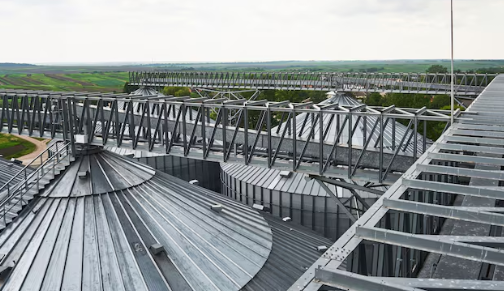
A custom metal building made from steel is strong and lasts a long time. You can make a metal building any size you need. It can be wide, tall, or long. Metal buildings are made in a factory first. Then, they are delivered to your land. Workers put it together like a big puzzle.
You can choose many things. You can pick the roof style. You can pick the doors and windows. You can pick the color. You can add insulation to keep the building warm or cool. You can add extra features like vents, skylights, or extra doors.
Traditional buildings are different. They are made from wood, bricks, or concrete. Workers build them piece by piece on the land. They mix concrete, cut wood, and lay bricks. Changes are harder once the building is started.
Cost Differences
The custom metal garage buildings often cost less than traditional buildings. Steel is strong. You can use less material than wood or bricks. Factory-made parts create less waste. Labor costs are lower because assembly is faster.
Traditional buildings can cost more. You need more workers. Construction takes longer. Materials like bricks or wood can be expensive. If changes happen during construction, the cost goes up.
Speed of Construction
Metal buildings by Prestige Steel Structures are fast to build. Factory-made panels arrive ready to install. A crane or a small team of workers can put the building together quickly. Some small metal buildings can be done in a few days. Larger buildings may take a few weeks.
Traditional buildings take longer. Concrete must dry before adding more layers. Walls and roofs are built slowly, step by step. Bad weather can delay work. It may take months to finish a building the same size as a metal one.
Design Flexibility
Metal buildings are very flexible. You can make them very wide without inside support beams. This is good for workshops or storage. You can place doors and windows anywhere. You can add extra features without much trouble.
Traditional buildings can be flexible too. But big open spaces may need columns or extra beams. Adding doors or windows after building can be difficult and costly.
Strength and Durability
Steel is very strong. Metal buildings can resist strong winds, snow, and fire better than wood. They do not rot or get eaten by termites. Steel panels last a long time. They rarely need major repairs.
Traditional buildings can last too. Concrete and bricks are strong and fire-resistant. Wood is less strong. It can rot or get damaged by termites. Bricks can crack in earthquakes.
Maintenance
Metal buildings need little maintenance. Steel panels are easy to clean. Coatings protect steel from rust. Roofs can last for decades.
Traditional buildings need more care. Wood needs painting or sealing. Bricks may crack or need repairs. Roofs can leak if not maintained.
Energy Efficiency
Well, affordable steel buildings can be insulated well. You can add foam or panels inside walls and roof. This keeps heat in during winter and keeps it out in summer. Proper insulation saves money on energy bills.
Traditional buildings can also be insulated. Thick walls can hold insulation. Windows and doors can be sealed. Changing insulation later can be harder.
Custom Uses
Metal buildings are versatile. People use them for workshops, garages, warehouses, gyms, or homes. They can be built open inside or divided with walls.
Traditional buildings are used for homes, offices, stores, and schools. They work for many purposes. But unusual designs can cost more and take longer.
Transportation and Setup
Metal buildings come in pieces. They are easy to transport. Factory-made parts fit perfectly together. This reduces mistakes during setup.
Traditional buildings use raw materials. Bricks, wood, and concrete are heavy. They need more tools to build. Mistakes can cause delays.
Longevity
Metal buildings last a long time. Steel does not warp or rot. Panels can last 40–50 years or more with little repair.
Traditional buildings last a long time too. Concrete can last 50–100 years. Wood lasts less, unless well maintained.
Safety
Metal buildings are fire-resistant. Steel does not burn easily. Strong walls can protect against storms.
Traditional buildings vary. Wood is flammable. Concrete and bricks are safer for fire. Old buildings may need upgrades for safety codes.
Weather and Environment
Metal buildings handle rain, snow, and wind well. The roof slopes help water run off. Steel walls resist corrosion when coated.
Traditional buildings can handle weather too. Bricks and concrete resist storms. Wood can warp or rot if wet.
Expansion Options
Metal buildings are easy to expand. You can add panels, doors, or windows. You can make the building longer or wider.
Traditional buildings can be expanded too. But it is harder. Walls may need extra support. Roofs must be rebuilt in some cases.
Variety of Roofs
Metal buildings have many roof styles. Gable, single-slope, and curved roofs are common. You can choose based on rain, snow, or style.
Traditional buildings also have roof options. Tiles, shingles, and flat roofs are common. Changing roof style later is harder.
Interior Options
Metal buildings by Prestige Steel Structures can have open space or rooms inside. You can add offices, storage, or living areas. The layout is flexible.
Traditional buildings can have rooms too. But open large spaces need columns. Changes can be costly.
Resale Value
Metal buildings hold value because they are durable. They attract buyers who need strong, low-maintenance buildings.
Traditional buildings can also hold value. Homes or offices made with bricks or concrete are popular. Wood buildings may need more repairs.

 English
 Arabic
 French
 Portuguese
 Deutsch
 Turkish
 Dutch
Dutch
 Italiano
 Russian
 Romaian
 Portuguese (Brazil)
 Greek
Greek