
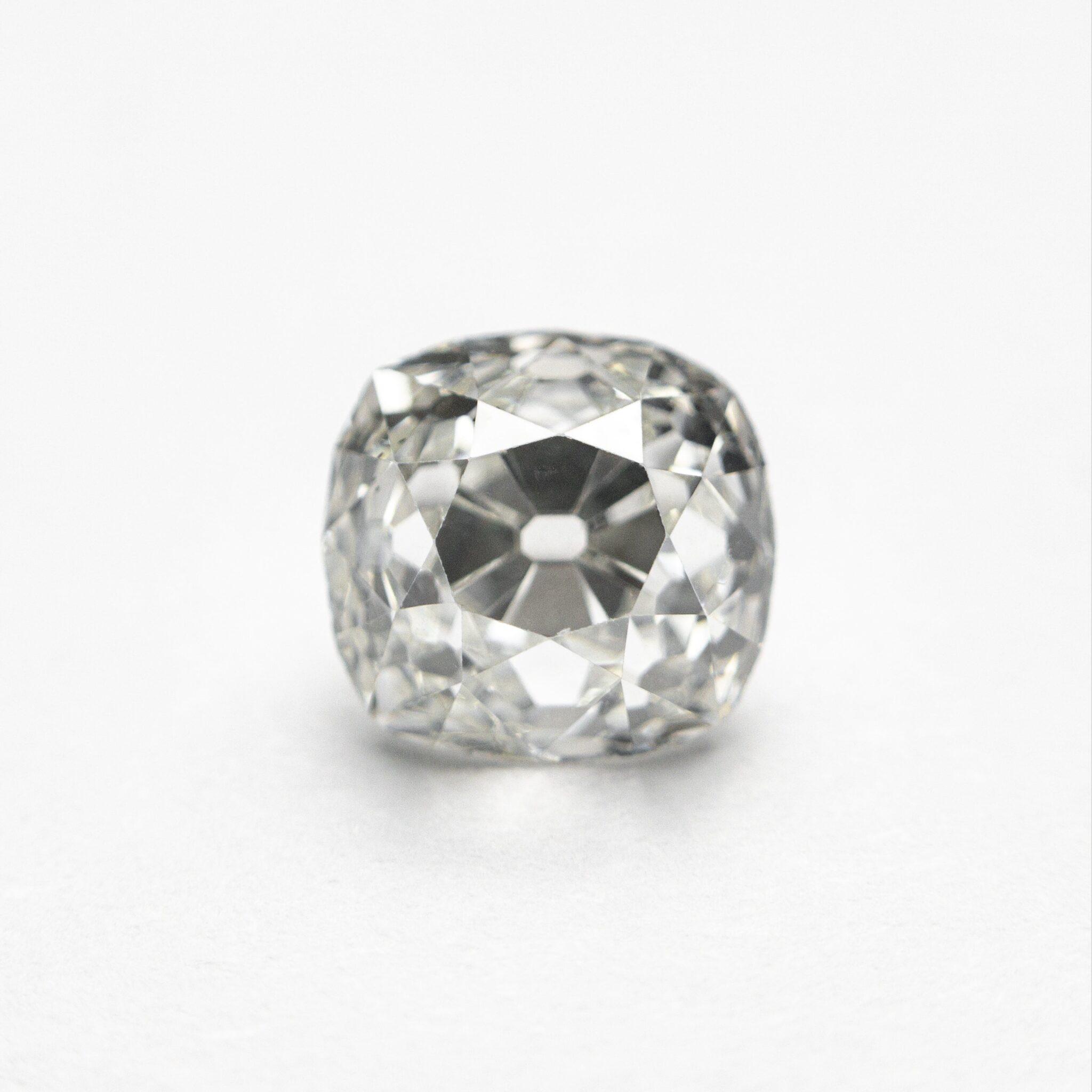
In the glitzy world of high-end jewelry, a debate has intensified as we move through 2026. On one side, you have the laser-perfect, computer-calculated Modern Round Brilliant. On the other hand, you have the "soulful" old-cut diamonds, faceted by hand under candlelight over a century ago.
If you are shopping for an engagement ring or a legacy piece at OpulentDiam, you've likely asked yourself: Am I paying a premium for a "broken" old diamond, or am I finding a hidden gem that offers better value than anything from a modern factory?
Let's look at the data, the market shifts, and the undeniable charm of the old cut to find the answer.
The Resurgence of the "Candlelight Sparkle"
To understand if they are a ripoff, we first have to define what they are. Old cut diamonds primarily refer to two styles:
- Old Mine Cuts: These are the ancestors of the cushion cut. They are squarish with high crowns and deep pavilions.
- Old European Cuts: These are the direct predecessors to the modern round brilliant.
Unlike modern stones, which are designed to maximize "brilliance" (white light return) using machines, old cuts were designed to maximize "scintillation" (flashes of color) under the soft glow of fire or early electric bulbs. In 2026, as consumers move away from "cookie-cutter" luxury, these hand-cut stones will see a massive resurgence in the USA, Europe, and the Middle East.
Value vs. Price: Are You Getting Ripped Off?
The short answer? No. In fact, from a pure "price-per-carat" perspective, old cut diamonds often represent the best value in the natural diamond market.
1. The 20% Discount Rule
Historically, and continuing into 2026, an old cut diamond can often be purchased for 15% to 25% less than a modern GIA "Excellent" cut stone of the same carat weight and color. Why? Because the diamond industry traditionally valued "perfection" and "symmetry." Because old cuts have "imperfections" (like a visible culet or asymmetrical facets), they were often priced lower.
However, at OpulentDiam, we've seen the market flip. Savvy buyers realize they can get a larger stone for their budget by choosing an old cut, without sacrificing the "Natural Diamond" status.
2. A Finite Resource (The Investment Case)
Modern diamonds are being mined and cut every day. But old cut diamonds are a finite resource. Many have been recut into modern shapes over the last 50 years, making authentic, original old cuts increasingly rare. Data from 2025 indicates that less than 5% of natural diamonds on the secondary market are high-quality old cuts. Rarity almost always equates to better long-term value retention.
Modern Brilliant vs. Old Cut: The Performance Data
If you want a diamond that looks like a "disco ball" from across the room, an old cut might feel like a ripoff to you. But if you want depth, you have to view light performance differently.
- Modern Brilliance: Use 57–58 facets to instantly bounce light back to your eye. It's "loud" and bright.
- Old Cut Diamonds: Have larger facets. Instead of a constant "sparkle," they produce "chunky" flashes of light. This is often called the "checkerboard" effect.
The Data on "Warmth": Modern grading systems penalize diamonds with a "K" or "L" color grade. However, old cuts were meant to be warm. A "warm" old cut diamond often looks more intentional and beautiful than a "yellowish" modern round. This allows you to buy a lower color grade (saving thousands of dollars) while still owning a stunning piece of jewelry.
Why OpulentDiam Sources Old Cuts
As a global business operating in the USA, Europe, and the Middle East, we prioritize EEAT (Expertise, Authoritativeness, and Trustworthiness). Here is why our experts back old cuts:
Sustainability: In 2026, "Eco-friendly" isn't just a buzzword; it's a requirement. Old cut diamonds are the ultimate upcycled luxury. They require zero new mining, zero soil erosion, and a carbon footprint settled over 100 years ago.
Price Stability vs. Lab-Grown: While lab-grown diamonds have seen a price crash of over 80% in the last few years, natural old cut diamonds have remained stable. They are tangible assets with historical provenance, something a factory-grown stone can never replicate.
How to Spot a "Better Value" Stone (Buyer's Checklist)
To ensure you aren't actually being "ripped off" by a poorly preserved stone, look for these three things:
- The Small Table: The top flat facet should be small. If it's too large, it's a sign of a poor transition cut.
- The "Open" Culet: Look through the top of the diamond. Do you see a small circle at the bottom? That's the culet. In old cuts, this is a mark of authenticity and adds a unique "eye" to the stone.
- The Girdle: Antique stones often have "frosted" or unpolished girdles. This is normal, but ensure there are no major chips that threaten the stone's integrity.
Conclusion: The Verdict for 2026 Buyers
Are old cut diamonds a ripoff? Absolutely not. They offer a better value because they allow you to own a larger, rarer, and more "soulful" natural diamond for a lower price point than a comparable modern stone. They are the "blue-chip" stocks of the jewelry world: stable, rare, and increasingly desirable.
At OpulentDiam, we believe jewelry should tell a story. A modern stone tells the story of a machine; an old cut tells the story of history. When you factor in the sustainability, the 20% price advantage, and the sheer individuality of the facets, the choice is clear.

 English
 Arabic
 French
 Spanish
 Portuguese
 Turkish
 Dutch
Dutch
 Italiano
 Russian
 Romaian
 Portuguese (Brazil)
 Greek
Greek