
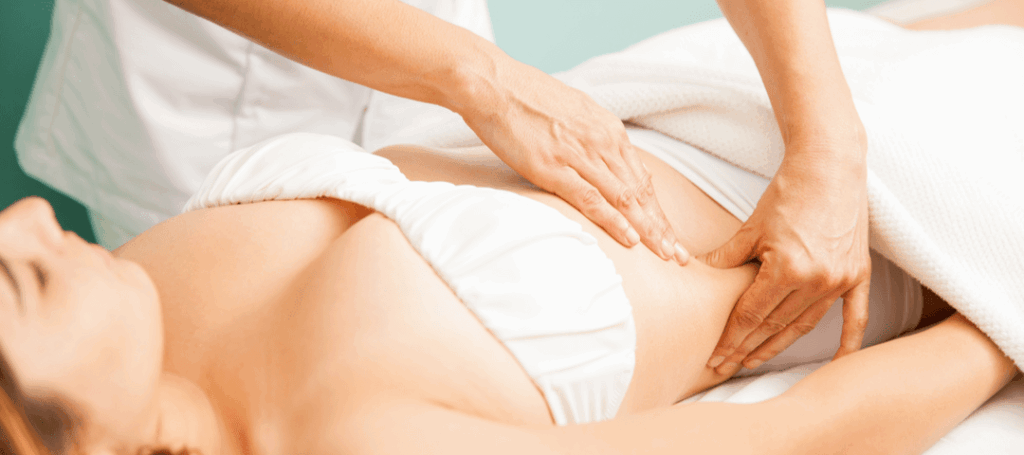
The lymphatic system plays a vital role in maintaining your body’s immune function, fluid balance, and waste removal. For those seeking to support overall wellness, a Lymphatic Drainage Massage has gained attention as a specialized technique designed to stimulate the lymphatic system and improve circulation. Unlike traditional massages that focus on muscle relaxation, lymphatic massage targets the flow of lymph fluid, helping the body detoxify, reduce swelling, and enhance overall health. Understanding how this therapy works, its benefits, and what to expect can help you decide if it’s the right addition to your wellness routine.
What Is Lymphatic Drainage Massage:
Lymphatic Drainage Massage is a gentle, rhythmic massage technique that encourages the movement of lymph fluid through the lymphatic vessels. Key points include:
-
Uses light, precise pressure to stimulate lymph nodes and vessels
-
Aims to reduce fluid retention and swelling in targeted areas
-
Supports immune function by enhancing lymphatic circulation
-
Focuses on detoxification and overall wellness rather than muscle tension
This therapy is especially beneficial for those experiencing sluggish lymph flow or post-surgical swelling.
How It Works:
The massage works by mechanically moving lymph fluid through the body’s network of vessels, enhancing drainage. Benefits include:
-
Gentle pumping motions that direct lymph toward major lymph nodes
-
Activation of the lymphatic system to remove toxins, waste, and excess fluids
-
Improvement of circulation to reduce puffiness and inflammation
-
Support for natural immune defense mechanisms
By facilitating lymph flow, the body can maintain better hydration, nutrient distribution, and waste removal.
Benefits of Lymphatic Drainage Massage:
Lymphatic massage offers a range of physical and mental benefits, including:
-
Reduced swelling, especially after surgery or injury
-
Relief from fluid retention and bloating
-
Improved immune system efficiency
-
Enhanced skin tone and detoxification
-
Relaxation and reduction of stress-related tension
Regular sessions can contribute to overall wellness and a feeling of lightness in the body.
Ideal Candidates for Lymphatic Massage:
While generally safe, certain individuals benefit more from Lymphatic Drainage Massage. Examples include:
-
Those recovering from surgery or injury
-
Individuals experiencing chronic swelling or lymphedema
-
People with sluggish circulation or detoxification issues
-
Anyone seeking gentle relaxation and immune support
Consulting a licensed therapist ensures the massage is appropriate and safe for your specific needs.
Techniques Used During the Massage:
Lymphatic Drainage Massage employs specialized techniques distinct from traditional massage. Key methods include:
-
Light, rhythmic strokes following the direction of lymph flow
-
Circular movements around lymph nodes to stimulate drainage
-
Gentle stretching and movement to aid circulation
-
Focus on areas prone to fluid buildup, such as legs, arms, and abdomen
These techniques are designed to move lymph without causing discomfort or bruising.
Safety Considerations:
Although generally safe, certain precautions should be taken. Key considerations include:
-
Avoiding massage in areas with active infection or acute inflammation
-
Consulting a physician if you have heart conditions, kidney disease, or blood clot risks
-
Ensuring gentle pressure to prevent irritation or discomfort
-
Seeking a certified therapist trained in lymphatic drainage techniques
Following these precautions ensures the treatment supports health rather than causing complications.
Frequency and Duration of Sessions:
Optimal results often depend on consistent and properly timed sessions. Recommendations include:
-
Initial sessions 1–2 times per week for targeted concerns such as swelling
-
Maintenance sessions once every few weeks for overall wellness
-
Sessions typically last 30–60 minutes depending on the area and treatment goals
-
Combining with hydration and gentle exercise to enhance lymph flow
Consistency is key to maximizing both physical and wellness benefits.
Complementary Practices for Lymph Health:
To enhance the effects of Lymphatic Drainage Massage, supportive practices can be integrated into daily life:
-
Staying well-hydrated to assist lymph fluid movement
-
Engaging in light physical activity like walking or yoga
-
Maintaining a balanced diet rich in antioxidants and nutrients
-
Avoiding tight clothing that restricts circulation
These practices help maintain the flow of lymph between massage sessions and improve overall results.
Why Lymphatic Drainage Massage Matters:
In today’s fast-paced lifestyle, lymphatic function can be compromised by stress, poor circulation, or sedentary habits. A Lymphatic Drainage Massage can:
-
Promote detoxification and reduce the risk of fluid buildup
-
Support immune system performance
-
Enhance relaxation and stress reduction
-
Improve circulation and nutrient transport throughout the body
Integrating this therapy into your wellness routine can lead to noticeable improvements in both energy levels and overall health.
Final Thoughts:
Lymphatic Drainage Massage offers more than relaxation; it supports essential bodily functions by promoting lymph flow, reducing swelling, and enhancing detoxification. Its gentle, specialized techniques make it suitable for a wide range of individuals, particularly those seeking post-surgical support, reduced fluid retention, or overall wellness. Incorporating Lymphatic Drainage Massage into your health routine can help your body function optimally, leaving you feeling lighter, revitalized, and more balanced.

 English
 Arabic
 French
 Portuguese
 Deutsch
 Turkish
 Dutch
Dutch
 Italiano
 Russian
 Romaian
 Portuguese (Brazil)
 Greek
Greek