
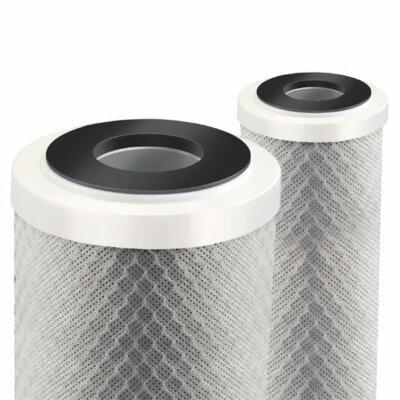
In today’s world, clean air and pure water are no longer luxuries—they are necessities. Industries, commercial spaces, and even households are increasingly focused on improving filtration systems to remove contaminants effectively. One of the most trusted and widely used filtration components is the Carbon Filter Cartridge. Known for its exceptional adsorption capabilities, this filtration solution plays a critical role in enhancing air and water quality across various applications.
This article explores what a carbon filter cartridge is, how it works, its benefits, types, applications, and how to choose the right one for your needs—all in a simple, easy-to-understand way.
What Is a Carbon Filter Cartridge?
A Carbon Filter Cartridge is a filtration device that uses activated carbon to remove impurities, odors, chemicals, and harmful contaminants from air or water. Activated carbon is processed to create millions of microscopic pores, dramatically increasing its surface area. This structure allows the carbon to trap pollutants through a process called adsorption.
Unlike basic mechanical filters that only block particles, carbon filter cartridges chemically bind contaminants, making them extremely effective for removing dissolved impurities, gases, and volatile organic compounds (VOCs).
How Does a Carbon Filter Cartridge Work?
The working principle of a carbon filter cartridge is based on adsorption, not absorption. When air or water flows through the cartridge:
-
Contaminants come into contact with activated carbon.
-
Pollutant molecules are attracted to and held on the carbon surface.
-
Clean air or water exits the filter with reduced impurities.
This process makes carbon filter cartridges especially effective at removing chlorine, odors, unpleasant tastes, organic chemicals, and industrial fumes.
Key Benefits of Using a Carbon Filter Cartridge
1. Superior Contaminant Removal
Carbon filter cartridges efficiently remove chlorine, solvents, pesticides, VOCs, and chemical vapors that standard filters cannot handle.
2. Improved Taste and Odor
In water filtration, carbon filters significantly enhance taste and smell by eliminating chlorine and organic compounds.
3. Better Air Quality
For air filtration systems, carbon cartridges neutralize odors, smoke, and harmful gases, creating a healthier indoor environment.
4. Eco-Friendly Solution
Activated carbon is a natural material, making carbon filter cartridges an environmentally responsible filtration option.
5. Wide Range of Applications
From industrial processes to residential water purifiers, carbon filter cartridges are highly versatile.
Types of Carbon Filter Cartridges
Different applications require different cartridge designs. Below are the most common types of carbon filter cartridges:
Granular Activated Carbon (GAC) Cartridge
These cartridges contain loose carbon granules and are commonly used in water purification. They offer excellent flow rates and effective chlorine removal.
Carbon Block Cartridge
Carbon block cartridges are made by compressing activated carbon into a solid block. They provide finer filtration and better contaminant removal compared to GAC filters.
Impregnated Carbon Cartridge
These cartridges include additives like silver or special chemicals to target specific contaminants such as bacteria or heavy metals.
Pleated Carbon Filter Cartridge
Designed for air filtration, pleated cartridges offer a larger surface area, enhancing adsorption efficiency and extending service life.
Applications of Carbon Filter Cartridge
The versatility of carbon filter cartridges makes them suitable for a wide range of uses:
Water Treatment Systems
Used in residential, commercial, and industrial water filtration to remove chlorine, chemicals, and unpleasant odors.
Industrial Air Filtration
Carbon filter cartridges are widely used in manufacturing plants to remove fumes, gases, and airborne chemicals.
HVAC Systems
They improve indoor air quality in offices, hospitals, hotels, and malls by eliminating odors and harmful gases.
Food and Beverage Industry
Ensures clean, odor-free water for processing, brewing, and packaging operations.
Pharmaceutical and Chemical Industries
Used to maintain contamination-free environments and protect sensitive processes.
Why Carbon Filter Cartridge Is Better Than Traditional Filters
Traditional filters primarily focus on removing physical particles like dust or sediment. A Carbon Filter Cartridge, on the other hand, targets invisible chemical contaminants that pose long-term health risks.
Key advantages over traditional filters include:
-
Removal of dissolved chemicals
-
Odor and taste improvement
-
Reduction of harmful gases and vapors
-
Enhanced protection for downstream equipment
How to Choose the Right Carbon Filter Cartridge
Selecting the right carbon filter cartridge depends on several factors:
Type of Contaminants
Identify whether you need to remove chlorine, VOCs, odors, gases, or specific chemicals.
Flow Rate Requirements
Higher flow systems may require larger or multiple cartridges for optimal performance.
Cartridge Size and Compatibility
Ensure the cartridge fits your existing filtration system without modification.
Application Environment
Air filtration and water filtration require different cartridge designs and carbon compositions.
Replacement Frequency
Choose a cartridge with a service life that matches your maintenance schedule and usage level.
Maintenance and Replacement Tips
To maintain efficiency, carbon filter cartridges must be replaced periodically. Over time, carbon pores become saturated and lose adsorption capacity.
General maintenance tips:
-
Monitor pressure drop or flow reduction
-
Follow manufacturer replacement guidelines
-
Replace cartridges sooner in high-contamination environments
-
Store replacement cartridges in a dry, sealed condition
Regular replacement ensures consistent performance and prevents contaminant breakthrough.
Future of Carbon Filter Cartridge Technology
As environmental regulations become stricter and awareness about air and water quality increases, the demand for advanced carbon filter cartridges continues to grow. Innovations include higher-capacity carbon materials, improved cartridge designs, and hybrid filtration systems combining carbon with membrane or HEPA technologies.
These advancements aim to deliver longer service life, higher efficiency, and better sustainability.
Conclusion
A Carbon Filter Cartridge is an essential filtration component for anyone seeking cleaner air and purer water. Its powerful adsorption capability, versatility, and eco-friendly nature make it a preferred choice across industries and households alike. Whether used in water purification systems, industrial air filtration, or HVAC applications, carbon filter cartridges provide reliable and effective contaminant removal.
By choosing the right cartridge and maintaining it properly, you can ensure healthier environments, better system performance, and long-term cost savings.

 English
 Arabic
 French
 Spanish
 Portuguese
 Turkish
 Dutch
Dutch
 Italiano
 Russian
 Romaian
 Portuguese (Brazil)
 Greek
Greek