
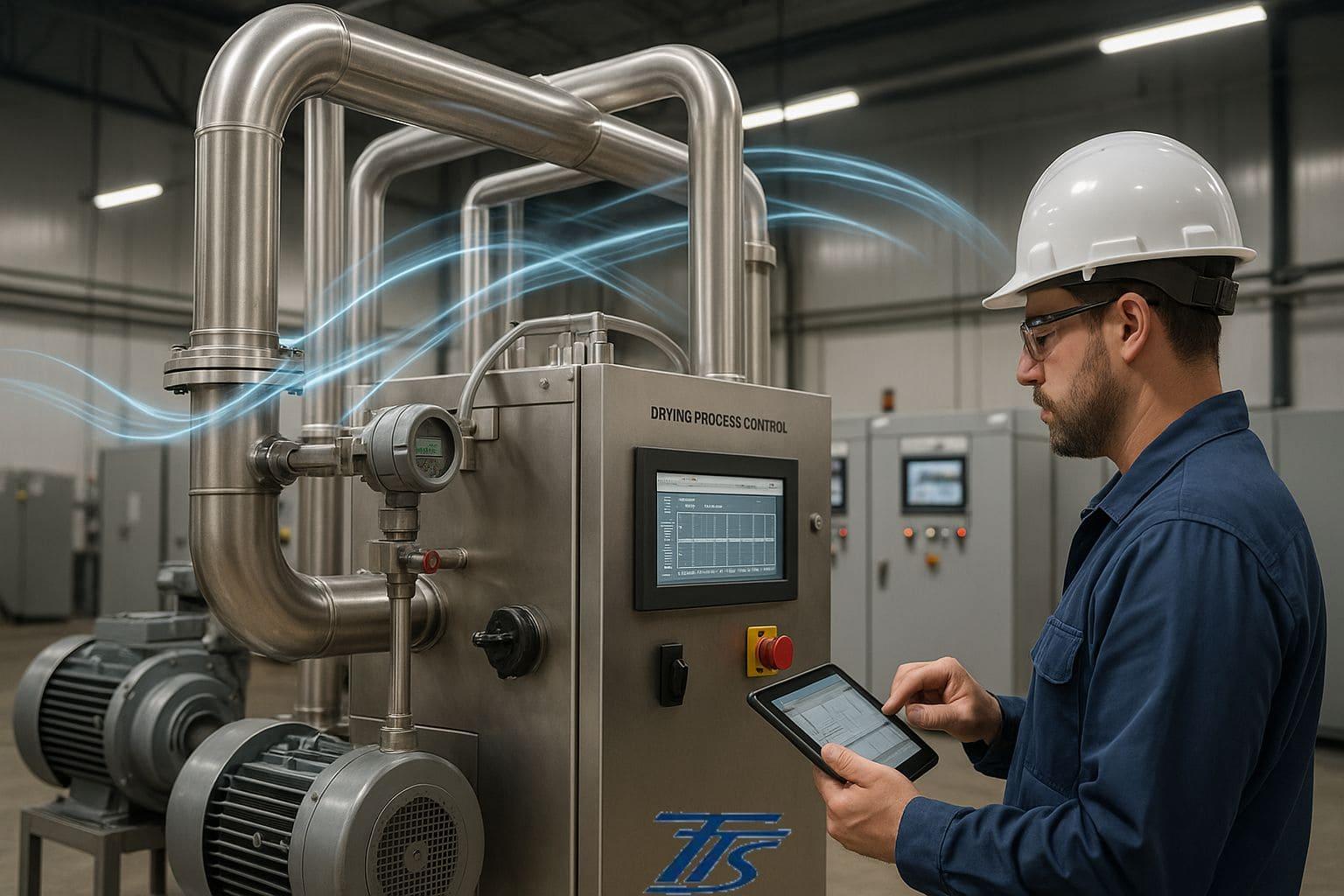
Pressure measurement is one of the most critical variables in industrial process control. It directly influences flow calculation, level monitoring, equipment protection, energy efficiency, and overall plant safety. Inaccurate pressure data can lead to unstable control loops, inefficient operations, excessive wear on mechanical equipment, and increased risk of process upsets. Across industries such as oil and gas, chemical processing, power generation, water treatment, and manufacturing, reliable pressure measurement is essential for maintaining consistent and safe operations. The Rosemount 3051 Pressure Transmitter is widely deployed in such environments where accuracy, long-term stability, and dependable performance are required.
What the Rosemount 3051 Pressure Transmitter Is
The Rosemount 3051 Pressure Transmitter is a high-performance industrial instrument designed to measure pressure and convert it into a standardized output signal for monitoring and control systems. It supports differential pressure, gauge pressure, and absolute pressure measurement, allowing it to be applied across a wide range of industrial processes.
Developed under the Rosemount product line, the 3051 platform is engineered to deliver precise, repeatable pressure measurement in demanding operating conditions. Its design emphasizes accuracy, measurement stability, and compatibility with modern automation architectures, making it suitable for both critical control applications and general process monitoring.
Importance of Pressure Measurement in Industrial Operations
Pressure is a foundational process variable that is closely linked to other key measurements such as flow, level, and density. In flow measurement applications, pressure data is used in conjunction with primary elements to calculate flow rate. In level measurement, pressure transmitters help determine liquid height in pressurized vessels and tanks. Pressure monitoring is also essential for protecting pipelines, pumps, compressors, and pressure vessels from operating outside safe limits.
Inaccurate pressure measurement can result in inefficient energy usage, inconsistent product quality, equipment damage, and failure to meet regulatory requirements. As a result, pressure transmitters used in industrial environments must maintain accuracy over long operating periods while withstanding vibration, temperature variations, and harsh process media.
Design and Measurement Capabilities
The Rosemount 3051 Pressure Transmitter is designed for continuous industrial service where measurement reliability is essential. Its sensing technology supports stable output over time, minimizing the effects of drift and reducing the need for frequent recalibration. This stability is particularly valuable in applications where measurement deviations can disrupt process control or where maintenance access is limited.
The transmitter is available in configurations suitable for low-pressure measurement as well as higher-pressure industrial applications. This flexibility allows it to be used for flow, level, and pressure monitoring across a wide range of operating conditions. Its standardized output signals enable seamless integration with distributed control systems, programmable logic controllers, and plant monitoring platforms.
Types and Variants of the Rosemount 3051
The Rosemount 3051 platform includes multiple variants designed to meet different industrial measurement requirements. Differential pressure versions are commonly used in flow measurement, filtration monitoring, and level measurement in pressurized vessels. Gauge pressure configurations are applied in pipelines, tanks, and process equipment where pressure is measured relative to atmospheric conditions. Absolute pressure versions are used in applications where pressure must be referenced to a vacuum, such as gas measurement and vapor systems.
Pressure ranges are selected based on the specific process requirements to ensure optimal resolution and accuracy. The platform also supports various process connection types and mounting configurations, providing flexibility for different piping layouts and installation constraints.
Industries That Use the Rosemount 3051 Pressure Transmitter
The Rosemount 3051 Pressure Transmitter is widely used across multiple industrial sectors due to its versatility and reliability. In oil and gas operations, it supports upstream, midstream, and downstream processes, including flow measurement, separator monitoring, and pipeline pressure control.
Chemical and petrochemical plants rely on accurate pressure data to maintain reaction stability, ensure safe operation, and protect critical equipment. Power generation facilities use pressure transmitters in boiler systems, steam distribution networks, and emissions control processes. Water and wastewater treatment plants apply pressure measurement for level monitoring, pumping system control, and filtration performance assessment.
Manufacturing industries such as food processing, pharmaceuticals, pulp and paper, metals processing, and general manufacturing also depend on reliable pressure measurement to maintain quality, efficiency, and process consistency.
Key Benefits in Industrial Applications
One of the primary benefits of the Rosemount 3051 Pressure Transmitter is its long-term measurement stability. Stable performance reduces the frequency of recalibration and minimizes drift-related control issues, contributing to consistent process operation and lower maintenance effort.
The transmitter’s robust construction supports reliable operation in industrial environments exposed to vibration, temperature fluctuations, and moisture. This durability improves operational uptime and reduces the risk of unplanned instrument-related failures. Compatibility with standard industrial control systems further simplifies commissioning and supports consistent instrumentation practices across facilities.
Selection Considerations for Industrial Use
Selecting the appropriate Rosemount 3051 configuration requires careful evaluation of application-specific requirements. Key considerations include the type of pressure being measured, the operating pressure range, and the required measurement accuracy. Process conditions such as temperature, media compatibility, and ambient environment should also be reviewed.
Process connection type and mounting arrangement must align with the mechanical design of the system to ensure safe installation and reliable measurement. Evaluating these factors during the design and procurement stages helps reduce commissioning challenges and supports long-term performance.
Maintenance and Long-Term Reliability Practices
Maintaining pressure transmitters is essential for preserving accuracy and extending service life. Routine inspection of process connections, impulse lines, and mounting hardware helps prevent leaks, blockages, and mechanical stress that could affect measurement performance.
Periodic calibration based on process criticality ensures that the transmitter continues to operate within acceptable accuracy limits. Maintaining clear records of calibration and maintenance activities supports troubleshooting, performance analysis, and compliance with quality and safety requirements.
Protecting the transmitter from excessive vibration, heat, or environmental exposure further enhances long-term reliability and measurement stability in demanding industrial environments.
Conclusion
The Rosemount 3051 Pressure Transmitter is a widely adopted solution for industrial pressure measurement where accuracy, stability, and reliability are essential. Its flexible configurations and robust design support a broad range of applications across multiple industries. By selecting the correct variant, ensuring proper installation, and following disciplined maintenance practices, industrial facilities can rely on the Rosemount 3051 to deliver consistent and dependable pressure data. In process environments where precise pressure measurement underpins safety, efficiency, and control, the Rosemount 3051 remains a critical component of industrial measurement systems.

 English
 Arabic
 French
 Portuguese
 Deutsch
 Turkish
 Dutch
Dutch
 Italiano
 Russian
 Romaian
 Portuguese (Brazil)
 Greek
Greek