
Left Ventricular Assist Devices (LVADs) are implantable mechanical pumps that support cardiac output in individuals with advanced heart failure. These devices are critical in improving hemodynamics, extending survival, and enhancing quality of life, often as a bridge to transplant or for long-term therapy. Monitoring LVAD performance at home is essential to ensure optimal device function, detect complications early, and support patient safety.
The Fundamentals of LVAD Monitoring
LVADs are continuous-flow pumps that assist the left ventricle by moving blood from the heart to the systemic circulation. Unlike a native heart, a continuous-flow LVAD often produces minimal or absent pulses, altering traditional cardiovascular monitoring approaches. Patients and caregivers receive extensive training in device operation, alarm interpretation, and routine observation before hospital discharge.
Core Device Parameters
Key LVAD parameters that should be monitored at home include pump speed, flow, power consumption, and pulsatility index. The pump speed (RPM) represents the rotational speed of the pump impeller and is optimized to the patient’s physiology; any significant deviations may indicate device malfunction or changes in heart function. Flow (L/min) reflects the estimated blood circulation through the device, providing insight into volume status and potential obstructions. Power consumption (Watts) measures the electrical energy required to maintain pump operation, and sudden increases can suggest mechanical issues such as thrombosis.
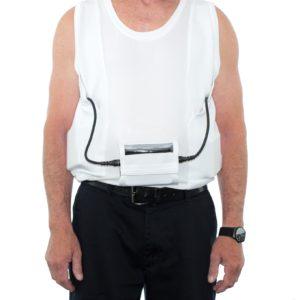
The pulsatility index (PI) tracks the variation in flow based on the native ventricular contribution, with deviations potentially indicating hypovolemia or suction events. Monitoring these trends over time is more informative than single measurements and allows for early detection of potential complications. Patients may also benefit from supportive equipment such as a heart warrior shirt to safely secure the device during daily activities, while symbolic aids like a blessing bell can provide encouragement and awareness for both patients and caregivers.
Practical Home Monitoring Strategies
Home monitoring combines device data, physiological measurements, and self-assessment routines. Consistent practices and accurate records are essential.
Daily Parameter Recording
Patients should log LVAD metrics daily, including RPM, flow, power, PI, and any alarms. Structured logs support pattern recognition and allow care teams to review data for abnormal trends.
Blood Pressure Monitoring
Continuous-flow LVADs require specialized techniques for blood pressure measurement. Doppler-assisted methods or Doppler-aided cuffs are recommended to determine mean arterial pressure (MAP), which is critical for avoiding stroke or other complications.
Symptom and Self-Assessment Checks
Patients should track symptoms such as dizziness, fatigue, shortness of breath, and signs of infection. Regular body weight measurement helps detect fluid balance issues, which can affect LVAD function.
Driveline and Exit Site Care
Daily inspection of the driveline exit site for redness, discharge, or tenderness is crucial. Infection at the exit site can escalate rapidly, making proper hygiene and dressing changes a priority.
Remote and Telemonitoring Integration
Many modern LVAD programs support telemonitoring platforms that allow device data to be transmitted to care teams in real time. This enables early detection of complications such as hypovolemia, thrombosis, or pump malfunction, reducing emergency interventions.
Telemetric Data Utilization
Trend data and alarms are reviewed by clinicians, who can guide patients on follow-up steps or interventions without unnecessary hospital visits.
Virtual Care Platforms
Mobile or web-based platforms support daily logging, symptom tracking, medication adherence, and communication with clinicians. These tools enhance patient engagement and safety.
Best Practices for Home LVAD Monitoring
- Establish a Routine: Monitor parameters at the same time each day and maintain structured logs.
- Understand Alarms: Recognize urgent versus non-urgent alarms and contact care teams when needed.
- Validate Blood Pressure Methods: Ensure proper technique in Doppler-assisted MAP measurement.
- Maintain Backup Systems: Check batteries and backup controllers regularly.
- Engage Caregivers: Educate household members on emergency procedures and alarm responses.
Common Mistakes and Misconceptions
- Relying on Single Parameters: Only trends over time can reliably indicate problems.
- Ignoring Alarms or Subtle Symptoms: Some malfunctions are detectable through trends or minor physiological changes before alarming.
- Misinterpreting Blood Pressure: Inaccurate measurements can mask hypotension or hypertension, leading to complications.
Integration with Lifestyle and Support
Lifestyle and psychological support are important for individuals living with an LVAD. For example, patients may use a heart warrior shirt to safely and comfortably secure device equipment during daily activities. Symbolic items like a blessing bell can encourage and create a positive caregiving environment.
Conclusion
Monitoring LVAD performance at home is a comprehensive process combining device data, physiological measurements, and patient-reported observations. Structured routines, proper techniques, and collaboration with care teams ensure early complication detection and safe device operation. Integrating practical tools like the heart warrior shirt and supportive items like blessing bell can improve daily management and patient well-being. Effective home monitoring empowers patients to maintain safety, confidence, and quality of life while living with advanced heart failure.
FAQs
1. Why is LVAD home monitoring necessary?
It enables early detection of complications, supports therapy adjustments, and reduces unplanned hospitalizations.
2. How often should device parameters be logged?
Daily logging is recommended, with immediate entries for abnormal alarms or symptoms.
3. Can patients rely on standard blood pressure cuffs?
No. MAP should be measured using Doppler-assisted techniques, as standard cuffs are often inaccurate.
4. What does a low-flow alarm indicate?
It may signal hypovolemia, suction events, or device obstruction, requiring prompt evaluation.
5. How should abnormal trends be addressed?
Patients should contact their LVAD care team; device adjustments should never be made independently.
6. Are wearable monitoring technologies available?
Yes, telemonitoring and virtual care platforms allow home data to be integrated with clinical oversight.
7. Is professional training required for home monitoring?
Yes. Extensive pre-discharge training ensures accurate monitoring and safe responses to alarms.
8. What lifestyle habits support effective monitoring?
Adhering to hydration, nutrition, activity, and medication routines is essential for optimal device function.

 English
 Arabic
 French
 Spanish
 Portuguese
 Turkish
 Dutch
Dutch
 Italiano
 Russian
 Romaian
 Portuguese (Brazil)
 Greek
Greek