
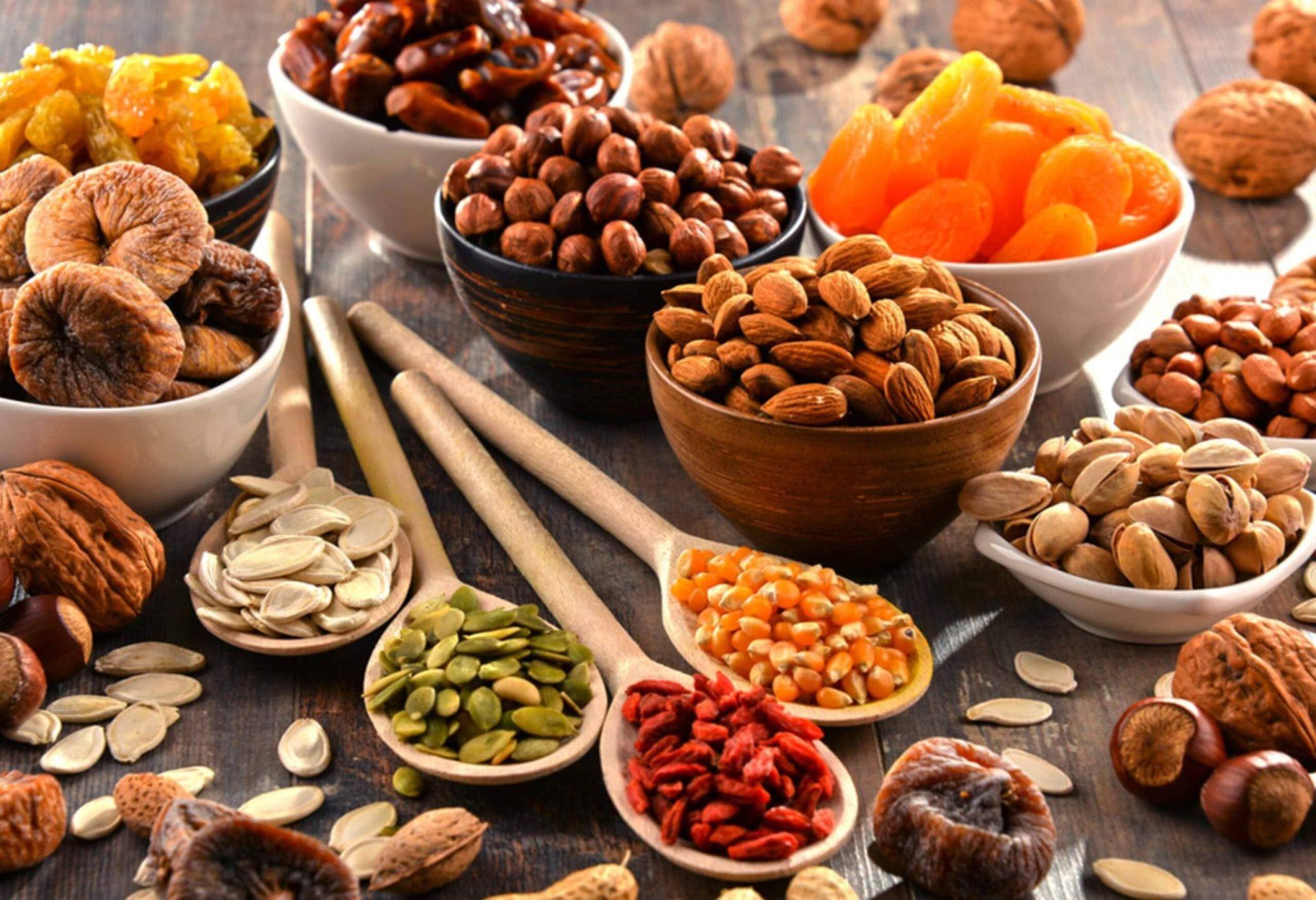
Maintaining balanced blood sugar levels is essential for long term health and daily energy. Sudden spikes and drops can lead to fatigue, mood changes, and cravings. Over time, poor blood sugar control may increase the risk of chronic health concerns. Diet plays a powerful role in managing these fluctuations naturally. Small, thoughtful food choices can create meaningful improvements.
Many people believe that managing blood sugar requires strict restrictions. However, balance and smart nutrition matter more than complete avoidance. Certain nutrient rich foods help stabilize glucose levels when eaten correctly. This guide explains how specific dry fruits can support blood sugar balance. With awareness and moderation, they can fit into a healthy routine.
Understanding Blood Sugar and Its Impact on the Body
Blood sugar refers to the amount of glucose present in the bloodstream. Glucose provides energy for the body and brain. When levels rise too quickly, the body releases insulin to manage the excess. Frequent spikes can strain this system over time. Stable levels support steady energy and mental clarity.
Diet directly affects how blood sugar behaves throughout the day. Foods high in refined sugar cause rapid increases. Fiber rich and nutrient dense foods slow absorption. This creates a more balanced response. Understanding this process helps guide better food choices.
Why Stability Matters More Than Elimination
Completely avoiding certain foods is not always sustainable. Balance allows flexibility and consistency. Stable blood sugar supports mood, focus, and appetite control.
Smart combinations and portion control make a difference. Nutrition becomes supportive rather than restrictive. This mindset encourages long term success.
How Dry Fruits Influence Blood Sugar Levels
Dry fruits are often misunderstood when it comes to blood sugar. They contain natural sugars, but they also offer fiber, healthy fats, and minerals. These nutrients slow down sugar absorption. As a result, glucose enters the bloodstream more gradually. This reduces sudden spikes.
Dry fruits are concentrated foods, which means portion size matters. When eaten in moderation, they support better glucose control. Pairing them with protein or healthy fats improves their effect. Understanding how they work helps use them wisely.
The Role of Fiber and Healthy Fats
Fiber slows digestion and sugar release. Healthy fats improve insulin response. Together, they create balance.
This combination makes dry fruits different from refined sweets. Nutrients work together to support stability. Knowledge leads to better choices.
Almonds for Blood Sugar Support
Almonds are one of the most beneficial options for blood sugar balance. They are rich in fiber, magnesium, and healthy fats. Magnesium plays a role in insulin sensitivity. Better insulin function supports glucose control. Almonds also have a low glycemic impact.
Including almonds among Dry fruits for blood sugar management is effective. They help reduce post meal glucose spikes. Eating them regularly supports steady energy levels. Portion control remains important for best results.
Best Way to Eat Almonds
Soaking almonds overnight improves digestion. It also enhances mineral absorption. This makes them gentler on the stomach.
Eating them in the morning or as a snack works well. Consistency brings noticeable benefits. Simple habits support balance.
Walnuts and Insulin Sensitivity
Walnuts contain omega fatty acids that support metabolic health. These fats reduce inflammation linked to insulin resistance. Better insulin sensitivity allows glucose to enter cells efficiently. This reduces excess sugar in the bloodstream. Walnuts also support heart and brain health.
Adding walnuts to a balanced diet with Dry fruits helps regulate glucose levels. Their fiber content supports slow digestion. This prevents sudden energy crashes. Regular intake supports overall metabolic balance.
Supporting Long Term Metabolic Health
Healthy fats improve cell function. This supports glucose regulation over time. Walnuts offer more than quick benefits.
They support whole body wellness. Balance improves gradually. Patience and consistency matter.
Pistachios for Steady Energy Release
Pistachios are unique due to their combination of fiber, protein, and healthy fats. This combination supports slow energy release. As a result, blood sugar rises gently instead of sharply. Pistachios also contain antioxidants that support metabolic health.
Including pistachios as part of Dry fruits intake supports better glucose control. Their crunchy texture encourages mindful eating. This reduces overeating. Small portions provide satisfaction and balance.
Mindful Eating and Portion Awareness
Shelling pistachios slows down consumption. This helps control portion size naturally. Awareness supports stability.
Eating slowly improves digestion. It also improves glucose response. Mindfulness enhances benefits.
Raisins and Dates in Controlled Portions
Raisins and dates contain higher natural sugar compared to nuts. However, they also provide fiber and minerals. When eaten in small amounts, they support gentle energy release. Portion control is critical with these options. Pairing them with nuts improves balance.
Using Dry fruits like raisins wisely helps avoid sugar spikes. They work best as part of a mixed snack. Combining them with almonds or walnuts slows absorption. This approach supports blood sugar balance without deprivation.
Smart Pairing for Better Results
Never eat sugary dry fruits alone. Combine them with protein or fats. This reduces glucose impact.
Timing also matters. Earlier in the day works best. Balance improves naturally.
Timing Matters for Blood Sugar Balance
When you eat affects how your body processes glucose. Morning and mid morning are ideal times for dry fruits. Digestion and insulin sensitivity are higher earlier in the day. This supports better glucose control. Late night consumption may cause imbalances.
Eating Dry fruits at the right time improves benefits. Avoid large portions in the evening. Spread intake across the day if needed. Timing works with portion control to support stability.
Creating a Consistent Eating Pattern
Regular meal timing supports insulin function. Skipping meals increases glucose swings. Consistency creates balance.
Plan snacks intentionally. Avoid impulsive eating. Structure supports success.
Common Mistakes to Avoid
One common mistake is overeating dry fruits. Their calorie density makes excess easy. Another mistake is eating them alone in large quantities. This increases sugar impact. Ignoring portion size reduces benefits.
Assuming all Dry fruits affect blood sugar the same is also incorrect. Each type behaves differently. Awareness prevents imbalance. Education supports better decisions.
Building Healthy Awareness
Read labels and understand portions. Observe how your body responds. Adjust intake accordingly.
Small changes create big impact. Mindful habits protect health. Balance becomes sustainable.

 English
 Arabic
 Spanish
 Portuguese
 Deutsch
 Turkish
 Dutch
Dutch
 Italiano
 Russian
 Romaian
 Portuguese (Brazil)
 Greek
Greek