
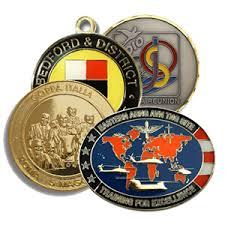
Archery has a rich history, blending sport, precision, and discipline. Celebrating achievements in this sport often comes in the form of medals, each carefully crafted with theme elements that convey meaning and honor the recipient. Understanding these elements goes beyond mere aesthetics—it’s about appreciating the story, symbolism, and artistic intention embedded in each medal.
Historical Inspiration in Archery Medals
Archery medals are often inspired by historical depictions of archery, tracing back to medieval tournaments or ancient hunting traditions. The bow and arrow have long symbolized focus, courage, and skill. Designers frequently incorporate motifs such as arrows in flight, targets, or traditional bows to highlight the sport’s heritage. By referencing historical elements, the medal becomes more than a reward—it acts as a bridge connecting modern achievements with centuries of archery tradition.
Symbolic Shapes and Geometry
The shape of a medal is not arbitrary; it often carries symbolic weight. Circular medals symbolize unity, perfection, and the cyclical nature of competition. Hexagonal or shield-shaped designs may reflect strength, protection, and valor. The geometric layout of elements—such as a central target surrounded by laurel wreaths—helps convey layered meanings. These shapes and layouts subtly communicate values such as accuracy, honor, and dedication, which are central to archery as a sport.
Iconography: Arrows, Targets, and Laurels
A critical component of archery medal themes is the iconography. Arrows represent precision and trajectory, emphasizing the skill required to excel. Targets signify achievement and focus, marking the ultimate goal. Laurels, historically associated with victory in both athletic and military arenas, add a timeless sense of accomplishment. Together, these icons create a visual narrative, celebrating both the athlete’s performance and the broader traditions of archery.
Material Choices and Their Meaning
Medal design is not complete without careful material selection. Bronze, silver, and gold are standard, each denoting rank and achievement. Beyond metals, some medals include enamel colors or textured finishes that emphasize particular features. For example, a gold medal with a polished arrow motif may highlight precision, while a textured target background evokes focus and resilience. Thoughtful material choices enhance the symbolic resonance of the medal and make it a cherished keepsake.
Typography and Engraving Styles
Text elements on archery medals often include event names, dates, and winners’ names. Typography is more than functional—it is part of the theme. Classic serif fonts may suggest tradition, while bold sans-serif fonts convey modernity and strength. Engraving styles, whether embossed or recessed, affect both the tactile and visual appeal. This combination of text and design ensures that the medal is not only commemorative but also a work of art reflecting the event’s character.
Color Schemes and Psychological Impact
Color is a powerful element in medal themes. Traditional gold, silver, and bronze denote achievement, but additional colors often communicate emotion and energy. Red may symbolize passion and intensity, blue conveys calm focus, and green evokes growth and mastery. Color placement, contrast, and harmony guide the viewer’s eye, emphasizing critical design elements like the target or arrow. In this way, color reinforces the psychological impact of accomplishment and elevates the medal’s overall visual appeal.
Modern vs. Traditional Design Elements
Modern archery medals often blend tradition with innovation. Laser-etched details, abstract arrow trajectories, or 3D layered designs provide a contemporary twist while retaining classical symbolism. This balance ensures that medals appeal to both athletes who value historical roots and audiences seeking fresh, creative designs. By combining modern technology with traditional motifs, designers can create medals that are timeless yet relevant in today’s competitive sports culture.
Customization and Personalization
Personalization is a significant trend in archery medal design. Custom medals may include the recipient’s name, rank, or a symbolic reference to a particular tournament. Even small additions, such as engraved initials on the arrow or target, make the medal uniquely meaningful. This approach strengthens the emotional connection between the athlete and their achievement, transforming a medal from a mere award into a personal memento that tells a story.
Display and Presentation
A well-designed medal also considers how it will be displayed. Ribbons, stands, or cases can complement the design elements, emphasizing the medal’s prestige. Presentation materials often mirror the medal’s theme: a bow-patterned ribbon or a shield-shaped case reinforces the sport’s identity. Thoughtful presentation elevates the medal beyond a simple reward, ensuring it is recognized as a symbol of dedication, skill, and excellence.
Conclusion
Archery medal theme elements are more than decorative—they encapsulate history, symbolism, and artistry. From iconography like arrows and targets to material choices, color schemes, typography, and customization, every detail contributes to the medal’s narrative. Modern designs merge traditional motifs with contemporary innovation, ensuring medals honor achievement while remaining visually captivating. Ultimately, understanding these elements allows athletes, designers, and enthusiasts alike to appreciate medals as a celebration of skill, focus, and the enduring legacy of archery.

 Arabic
 French
 Spanish
 Portuguese
 Deutsch
 Turkish
 Dutch
Dutch
 Italiano
 Russian
 Romaian
 Portuguese (Brazil)
 Greek
Greek