
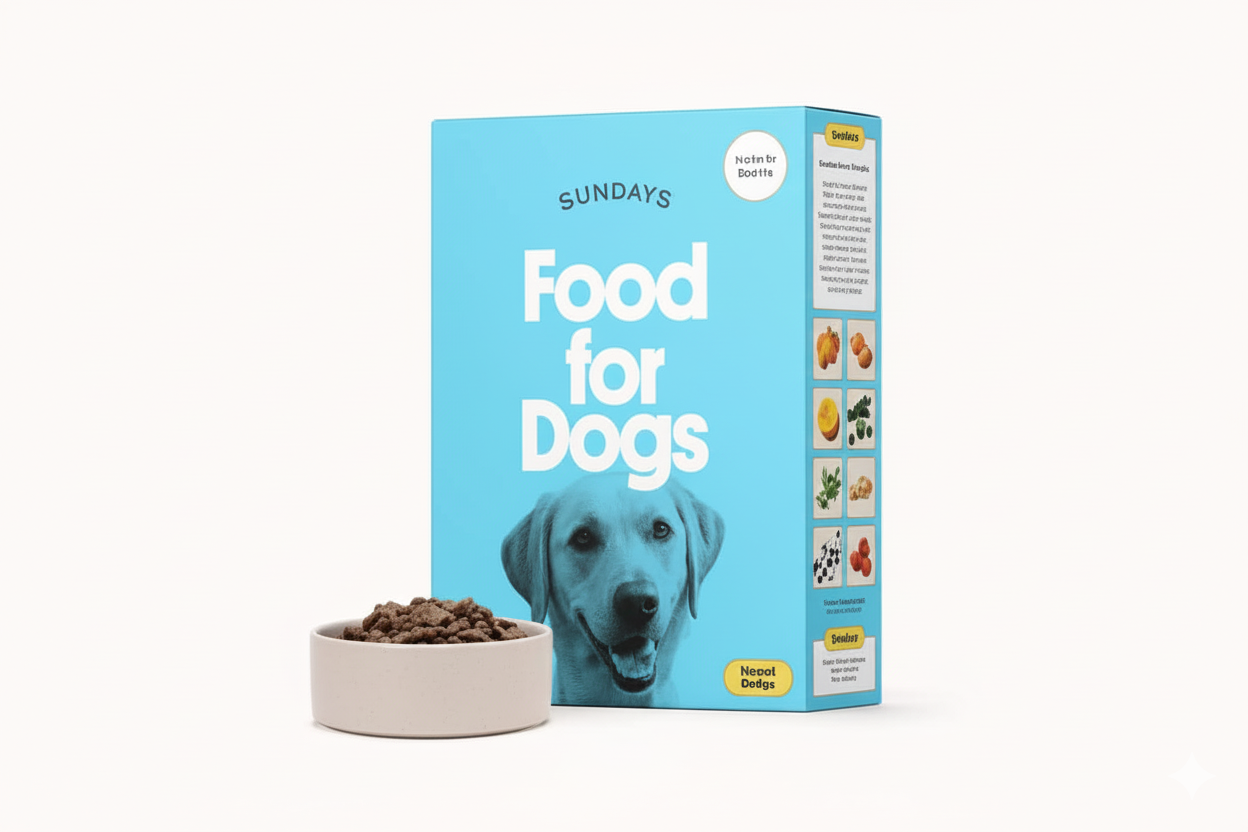
Grain-free dogs food has surged in popularity over recent years, with many pet owners believing it offers superior nutrition compared to traditional grain-inclusive formulas. While grain-free diets benefit some dogs, they're not universally necessary or always the best choice. Understanding the actual benefits, potential concerns, and whether your dog truly needs grain-free dogs food helps you make informed decisions based on facts rather than marketing trends.
What Makes Dogs Food Grain-Free?
Grain-free dogs food eliminates traditional grains like wheat, corn, barley, oats, and rice. Instead, these formulas use alternative carbohydrate sources such as sweet potatoes, peas, lentils, chickpeas, tapioca, or potatoes to provide energy and fiber. The protein and fat content remains similar to grain-inclusive dogs food, with the primary difference being the carbohydrate source rather than overall nutritional profile.
It's important to understand that grain-free doesn't mean carbohydrate-free. Dogs need carbohydrates for energy, and grain-free dogs food simply substitutes one carbohydrate source for another. The term "grain-free" is often confused with "low-carb," but most grain-free formulas contain similar or even higher carbohydrate levels than grain-inclusive options due to the starchy vegetables used as replacements.
Actual Benefits of Grain-Free Dogs Food
For dogs with genuine grain allergies or sensitivities, grain-free dogs food can be life-changing. These dogs may experience digestive upset, skin irritation, chronic ear infections, or excessive itching when consuming grains. Eliminating the problematic ingredient through grain-free dogs food resolves these symptoms and dramatically improves their quality of life.
However, true grain allergies are relatively uncommon in dogs. Most food sensitivities involve proteins like beef, chicken, or dairy rather than grains. If your dog shows signs of food allergies, consult your veterinarian before assuming grains are the culprit.
Some dogs simply digest alternative carbohydrates better than grains. Grain-free dogs food with sweet potatoes or pumpkin may result in firmer stools, less gas, and improved overall digestion for these individuals. This doesn't necessarily indicate a grain allergy but rather individual digestive preferences.
Grain-free dogs food often features higher-quality ingredients overall. Many premium brands formulating grain-free products also invest in better protein sources, avoid artificial additives, and include beneficial supplements. However, these quality improvements aren't inherent to grain-free status—they reflect the manufacturer's commitment to quality rather than grain absence specifically.
Important Considerations and Concerns
In 2018, the FDA began investigating a potential link between grain-free dogs food, particularly those high in peas, lentils, and potatoes, and dilated cardiomyopathy (DCM), a serious heart condition. While research continues and definitive conclusions haven't been established, the investigation raised legitimate concerns about certain grain-free formulas, especially for predisposed breeds like Golden Retrievers and Doberman Pinschers.
The concern centers on grain-free dogs food using legumes as primary ingredients rather than grain-free status itself. Some researchers theorize that high legume content may interfere with taurine absorption or production, an amino acid critical for heart health. Not all grain-free dogs food carries equal risk, and many manufacturers have reformulated their products in response to these concerns.
Grains Aren't the Enemy
Contrary to popular belief, grains aren't inherently unhealthy for dogs. Whole grains like brown rice, oatmeal, and barley provide beneficial nutrients, fiber, and easily digestible energy. Dogs have evolved alongside humans for thousands of years and developed the ability to digest grains efficiently. Unless your dog has a specific grain sensitivity, there's no nutritional reason to avoid quality whole grains in dogs food.
The "ancestral diet" argument suggesting dogs shouldn't eat grains because wolves don't is misleading. Domestic dogs are not wolves, and their digestive systems have adapted significantly during domestication. Quality matters more than grain presence—high-quality dogs food with whole grains surpasses low-quality grain-free options every time.
Making the Right Choice
Choose grain-free dogs food if your dog has confirmed grain sensitivities, your veterinarian recommends it for specific health reasons, or your dog genuinely thrives better on grain-free formulas with documented improvements. Don't choose grain-free simply because it's trendy or marketed as "natural."
At Pet Discount Mart, we stock both grain-free and grain-inclusive dogs food from reputable manufacturers. Our selection at petdiscountmart.com includes grain-free options that minimize legume content and focus on quality ingredients. We believe informed choices beat marketing hype, and we're here to help you select dogs food that truly supports your individual dog's health needs.

 English
 Arabic
 French
 Spanish
 Portuguese
 Deutsch
 Turkish
 Dutch
Dutch
 Russian
 Romaian
 Portuguese (Brazil)
 Greek
Greek