
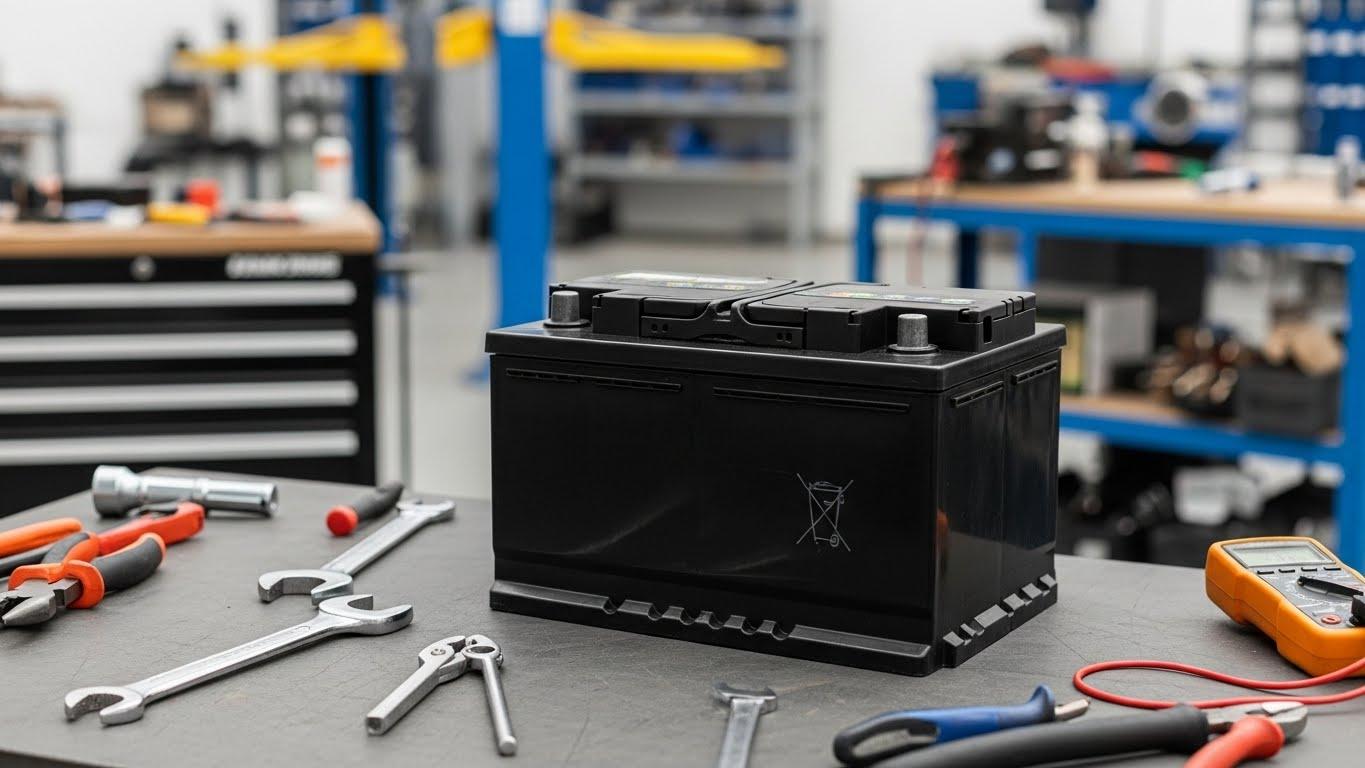
Hybrid vehicles have transformed the automotive landscape by offering drivers an efficient combination of electric and gasoline power. These sophisticated machines depend on high-voltage battery systems that store and deliver energy to electric motors, reducing fuel consumption and emissions. Over time, however, these critical components can experience performance degradation that affects the entire vehicle's operation. Owners may notice diminished fuel economy, reduced acceleration, or persistent warning indicators that signal underlying issues requiring professional attention.
Understanding how these complex energy storage systems function and what options exist when problems arise helps vehicle owners make confident decisions about maintenance and longevity. Rather than accepting reduced performance or facing the prospect of complete system replacement, drivers today have access to advanced solutions that can restore functionality while managing costs effectively. Knowledge about available approaches empowers owners to extend their vehicle's useful life and continue enjoying the benefits that attracted them to hybrid technology originally.
Recognizing Signs of Power System Deterioration
Battery packs in hybrid vehicles consist of numerous individual cells that work together as a unified energy storage system. Each cell must maintain consistent performance levels for the entire pack to function optimally. When certain cells begin losing capacity or developing internal resistance issues, the vehicle's computer system responds by limiting power output to protect the remaining components. This protective response often manifests as decreased electric driving range, more frequent engine engagement, or complete inability to operate in electric mode.
Temperature fluctuations, charging patterns, and simple age all contribute to gradual capacity loss within battery cells. Some cells naturally degrade faster than others due to their position within the pack or variations in manufacturing. These imbalances create situations where a few problematic cells compromise the performance of an otherwise functional system. Recognizing these patterns helps owners understand why targeted interventions can prove more effective than complete replacement.
Professional Solutions for Energy Storage Issues
Specialized technicians employ sophisticated diagnostic equipment to evaluate battery pack health at the cellular level. This comprehensive assessment measures voltage, internal resistance, and actual capacity for each module within the system. The detailed information gathered during testing reveals which specific components have fallen outside acceptable parameters while confirming that others continue performing normally. Armed with this data, professionals can recommend the most appropriate course of action for each unique situation.
Modern battery repair services focus on addressing specific failures rather than treating every problem as requiring total replacement. This targeted approach involves identifying degraded cells and replacing them with tested components that match original specifications. By preserving functional elements and addressing only the problematic ones, these services extend system life while managing expenses more effectively than wholesale replacement would allow. Reconditioning procedures can also balance the remaining cells, ensuring they charge and discharge at similar rates to maximize overall pack performance.
Technical Processes Behind System Restoration
Once diagnostic testing identifies which cells require attention, technicians carefully disassemble the battery pack to access individual modules. Each component undergoes evaluation to confirm test results and ensure accurate identification of problematic elements. Replacement modules are selected based on capacity measurements and internal resistance values that match the specifications of healthy cells remaining in the pack.
After installing new components, technicians perform balancing procedures that optimize the entire system. This process involves controlled charge and discharge cycles that allow each cell to reach its ideal state. Specialized equipment monitors temperature, voltage, and current throughout these cycles to ensure safe operation. The balancing process addresses inconsistencies that develop over time, creating a more uniform pack that operates efficiently as a cohesive unit.
Economic Advantages of Targeted Interventions
Vehicle owners naturally want to understand financial implications when addressing power system issues. Complete battery pack replacement through traditional channels can cost thousands of dollars, representing a substantial portion of an older vehicle's total value. This expense sometimes leads owners to consider trading in or retiring vehicles that otherwise remain mechanically sound and capable of providing years of additional service.
Alternative approaches that focus on repairing rather than replacing entire systems typically reduce costs significantly while still restoring full functionality. The economic benefit becomes even more apparent when considering the extended service life these interventions provide. A properly reconditioned battery pack can deliver several more years of reliable performance, allowing owners to continue enjoying fuel efficiency benefits without the financial burden of complete replacement. This makes repair a practical choice for those seeking to maximize their investment in hybrid technology.
Environmental Responsibility Through System Longevity
Choosing to repair existing components rather than replace entire systems aligns with the environmental consciousness that motivates many hybrid vehicle purchases. Manufacturing new battery packs requires substantial energy input and raw materials, including lithium, cobalt, and nickel obtained through resource-intensive mining operations. Extending the life of current components reduces demand for new production and minimizes the environmental impact associated with manufacturing processes.
Responsible handling of removed components ensures valuable materials return to the supply chain rather than contributing to waste streams. Certified recycling facilities can safely process battery components according to environmental regulations, extracting reusable materials for future manufacturing. This circular approach maximizes resource efficiency throughout the entire product lifecycle.
Evaluating Options for Your Specific Situation
Several factors influence which approach makes the most sense for individual vehicle owners. Age and overall condition of the vehicle matter significantly when determining appropriate investment levels. A newer hybrid with substantial remaining value justifies more comprehensive interventions, while older vehicles might benefit from economical solutions that provide additional years of transportation.
Intended duration of ownership also plays an important role in decision making. Drivers planning to keep their vehicles for extended periods gain more value from thorough reconditioning that maximizes longevity. Those considering replacement in the near future might prefer minimal interventions that address immediate concerns without extensive investment.
Conclusion
Hybrid vehicle battery systems represent sophisticated technology that occasionally requires professional attention to maintain peak performance. Understanding available options when power system issues arise helps owners make informed decisions that balance cost considerations with performance expectations. Modern repair approaches offer targeted solutions that address specific component failures while preserving functional elements, extending system life without the expense of complete replacement. Through proper diagnosis and appropriate intervention, hybrid vehicles can continue delivering the efficiency and reliability that make them valuable long-term transportation choices. Vehicle owners who invest in maintaining their power systems enjoy extended service life, continued fuel economy benefits, and the satisfaction of making environmentally responsible choices that align with the values that guided their original hybrid purchase.

 English
 Arabic
 French
 Spanish
 Portuguese
 Turkish
 Dutch
Dutch
 Italiano
 Russian
 Romaian
 Portuguese (Brazil)
 Greek
Greek