
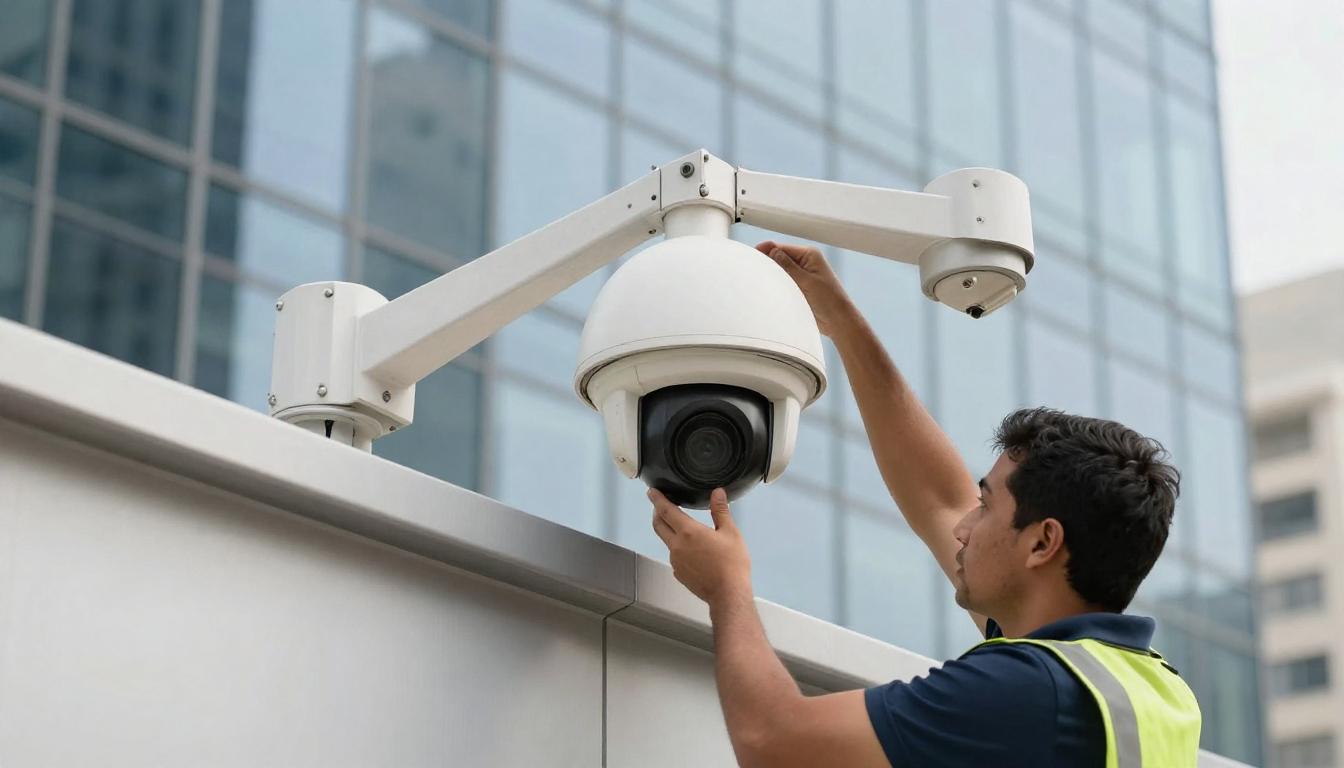
Dubai has emerged as one of the safest cities globally, with security infrastructure playing a critical role in maintaining this reputation. Whether you own a residential property, commercial establishment, or industrial facility, installing surveillance systems has become a necessity rather than a luxury. This comprehensive guide covers everything you need to know about setting up CCTV cameras in Dubai, including regulations, types, costs, and professional installation considerations.
Why Dubai Properties Need Surveillance Systems
The UAE government has made significant investments in public safety, and private property owners are following suit. According to a 2023 report by Numbeo, Dubai ranks among the top 10 safest cities worldwide, with a safety index of 84.55. This achievement is partly attributed to widespread surveillance adoption across the emirate.
Key reasons property owners invest in surveillance:
- Deterrence of criminal activities including theft and vandalism
- Real-time monitoring of premises remotely
- Evidence collection for legal proceedings
- Employee productivity monitoring in commercial spaces
- Insurance premium reductions (up to 20% in some cases)
- Compliance with Dubai Municipality and Civil Defense regulations
The Dubai Police reported that CCTV footage helped solve over 3,000 cases in 2022, highlighting the practical value of these systems in crime prevention and resolution.
Understanding Dubai's CCTV Regulations and Requirements
Before installing any surveillance system, property owners must understand the legal framework governing CCTV usage in Dubai. The UAE has specific regulations to balance security needs with privacy concerns.
Mandatory Installation Requirements
Dubai Municipality mandates CCTV installation for:
| Property Type | Minimum Camera Requirement |
| Hotels | All entrances, lobbies, parking areas |
| Shopping Malls | All entrances, exits, common areas |
| Banks | Every transaction area, vaults, ATMs |
| Schools | Main gates, corridors, playgrounds |
| Restaurants | Kitchen areas, entrances, cash counters |
| Warehouses | Loading docks, storage areas, perimeters |
Data Storage and Privacy Guidelines
- Footage must be stored for a minimum of 30 days
- Recording equipment should be secured in locked areas
- Signs indicating surveillance must be displayed prominently
- Access to recordings should be restricted to authorized personnel
- Sharing footage with third parties requires proper authorization
Failure to comply with these regulations can result in fines ranging from AED 500 to AED 50,000 depending on the violation severity.
Types of CCTV Cameras Available in Dubai Market
Selecting the right camera type depends on your specific security requirements, budget, and property layout. The Dubai market offers various options suited for different applications.
Dome Cameras
These cameras feature a dome-shaped housing that makes it difficult to determine the direction they're pointing. They're ideal for indoor installations in retail stores, offices, and hotels. Their vandal-resistant design makes them popular in public-facing areas.
Bullet Cameras
Characterized by their cylindrical shape, bullet cameras are perfect for outdoor surveillance. They offer longer range visibility and are commonly used for monitoring parking lots, building perimeters, and warehouse exteriors.
PTZ (Pan-Tilt-Zoom) Cameras
These advanced cameras can rotate horizontally, tilt vertically, and zoom in on specific areas. Security personnel can control them remotely, making them ideal for large properties requiring active monitoring.
IP Cameras
Internet Protocol cameras transmit data over networks, offering superior image quality and remote access capabilities. They're becoming the standard choice for modern installations in Dubai.
Thermal Cameras
These specialized cameras detect heat signatures, making them effective for perimeter security in low-light conditions. Industrial facilities and high-security areas commonly use thermal imaging technology.
Camera Resolution Comparison Chart
| Resolution | Pixel Count | Best Use Case | Average Cost (AED) |
| 720p HD | 1 Million | Small retail shops | 150-300 |
| 1080p Full HD | 2 Million | Offices, homes | 300-600 |
| 2K (1440p) | 4 Million | Commercial spaces | 500-900 |
| 4K Ultra HD | 8 Million | Banks, high-security | 800-2,000 |
| 8K | 33 Million | Specialized applications | 3,000+ |
Professional Installation Process
A systematic installation approach ensures optimal camera performance and longevity. Professional installers in Dubai follow a structured methodology.
Site Assessment Phase
Technicians conduct thorough property evaluations to identify:
- Vulnerable entry points requiring coverage
- Lighting conditions throughout the day
- Potential blind spots and obstacles
- Network infrastructure availability
- Power source locations
System Design and Planning
Based on the assessment, installers create a customized plan including:
- Camera placement maps
- Wiring diagrams
- Network configurations
- Storage capacity calculations
- Backup power arrangements
Physical Installation
The installation phase involves:
- Mounting brackets and camera housings
- Running cables through conduits
- Connecting to power supplies
- Network configuration and IP assignment
- DVR/NVR setup and storage allocation
- Monitor and display configuration
Testing and Calibration
Before handover, technicians verify:
- Image clarity across all cameras
- Night vision functionality
- Motion detection accuracy
- Remote access capabilities
- Recording and playback functions
Cost Breakdown for Dubai Installations
Understanding pricing helps property owners budget appropriately. Costs vary based on property size, camera quantity, and system complexity.
Residential Properties
| Package Type | Cameras Included | Average Cost (AED) |
| Basic | 4 cameras + DVR | 2,500 - 4,000 |
| Standard | 8 cameras + NVR | 5,000 - 8,000 |
| Premium | 16 cameras + NVR | 10,000 - 18,000 |
Commercial Properties
Commercial installations typically range from AED 15,000 to AED 100,000+ depending on:
- Number of cameras required
- Camera technology specifications
- Integration with access control systems
- Cloud storage requirements
- Maintenance contract inclusions
Maintenance and Ongoing Requirements
Regular maintenance ensures system reliability and extends equipment lifespan. Property owners should establish routine maintenance schedules that include cleaning camera lenses, checking connections, updating firmware, and verifying storage functionality. Many businesses in Dubai opt for annual maintenance contracts that include regular inspections, emergency repairs, and cctv camera support whenever technical issues arise. This proactive approach minimizes downtime and ensures continuous property protection.
Recommended Maintenance Schedule
Monthly Tasks:
- Clean camera lenses and housings
- Check recording quality
- Verify remote access functionality
- Review storage capacity
Quarterly Tasks:
- Inspect all cable connections
- Test backup power systems
- Update firmware and software
- Adjust camera angles if needed
Annual Tasks:
- Complete system audit
- Replace aging components
- Upgrade storage devices
- Review and update security protocols
Choosing the Right Installation Provider in Dubai
Selecting a qualified installer significantly impacts system performance and longevity. Consider these factors when evaluating providers:
Credentials to Verify
- SIRA (Security Industry Regulatory Agency) certification
- Trade license validity
- Insurance coverage
- Manufacturer certifications
- Portfolio of completed projects
Questions to Ask Potential Providers
- What warranty do you offer on equipment and installation?
- Do you provide after-installation training?
- What is your response time for service calls?
- Can you integrate with existing security systems?
- Do you offer maintenance contracts?
Integration with Smart Home and Building Systems
Modern surveillance systems in Dubai increasingly integrate with other smart technologies:
- Access Control: Linking cameras with door entry systems
- Alarm Systems: Triggering recordings when alarms activate
- Smart Lighting: Activating lights when motion is detected
- Mobile Apps: Enabling remote viewing and control
- Cloud Storage: Providing secure off-site backup solutions
Future Trends in Dubai's Surveillance Industry
The UAE's push toward smart city initiatives is shaping surveillance technology adoption:
Artificial Intelligence Integration: AI-powered cameras can now detect suspicious behavior, recognize faces, and count people automatically.
5G Connectivity: Faster networks enable higher resolution streaming and quicker cloud uploads.
Edge Computing: Processing data at the camera level reduces bandwidth requirements and improves response times.
Green Technology: Solar-powered cameras are gaining popularity for remote installations.
Conclusion
Installing a surveillance system in Dubai requires careful consideration of regulations, technology options, and professional installation standards. The investment protects your property, provides peace of mind, and can even reduce insurance costs. Whether you're securing a villa in Jumeirah or a warehouse in Jebel Ali, understanding your options helps you make informed decisions.
Take time to assess your specific requirements, consult with certified professionals, and choose a system that meets both current needs and future scalability. With proper planning and professional installation, your surveillance system will serve as a reliable security asset for years to come.

 Arabic
 French
 Spanish
 Portuguese
 Deutsch
 Turkish
 Dutch
Dutch
 Italiano
 Russian
 Romaian
 Portuguese (Brazil)
 Greek
Greek