
Imagine this: It’s a classic New England nor'easter. Rain has been sheeting down for hours in your Wellesley neighborhood. You’re cozy upstairs, but a nagging thought pulls you to the basement. You flip on the light and your heart sinks. A shimmering, silent pool of water is spreading across the floor, creeping toward stored holiday decorations, your fitness equipment, and that irreplaceable box of family photos. This scenario isn't just a homeowner's nightmare; for some in our town, it's a recurring reality.
For many, a sump pump is an out-of-sight, out-of-mind piece of equipment—until you desperately need one. But is this essential flood-defense system a necessity for every home in Wellesley, or just for those in obvious low-lying areas? The answer isn't a simple yes or no. It depends on a confluence of factors unique to your property and our region. This guide provides a practical, location-based checklist to help you assess your risk and make an informed decision, moving from understanding the problem to implementing the right solution for your peace of mind.
Understanding the “Why”: Water Table and Hydrostatic Pressure
First, let’s demystify what a sump pump actually does. At its core, it’s a sentinel against groundwater. Its job is not to handle sewage or surface runoff from clogged gutters (those are separate issues). It manages the water that naturally exists in the soil around your foundation—the groundwater.
In spring, as the last of the Wellesley snow melts, or during prolonged rainy periods, the water table (the top level of underground water) rises. This creates hydrostatic pressure against your home’s foundation walls and floor slab. Water will always follow the path of least resistance. It finds its way through tiny cracks, porous concrete, or the seam where the floor meets the wall. A sump pump system intercepts this water before it can enter your living space.
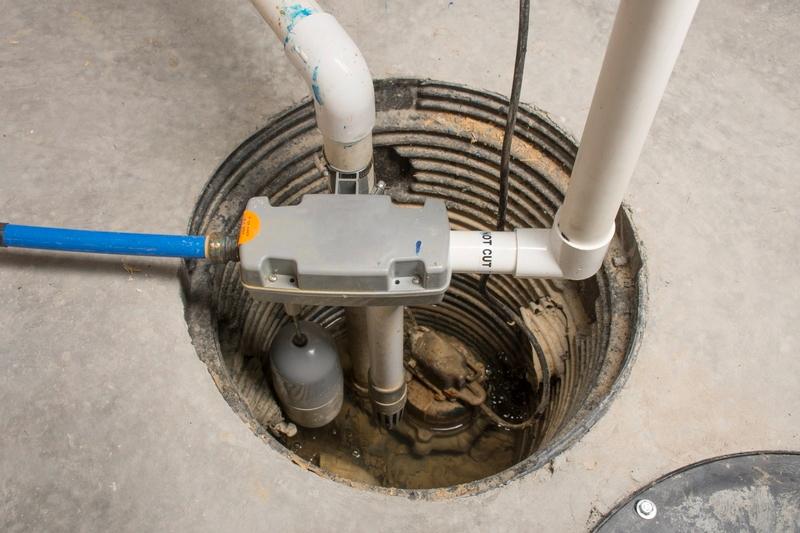
A typical system consists of a sump pit (a cylindrical hole dug into the lowest part of your basement or crawlspace), a pump that sits inside the pit, and a discharge pipe that carries the water safely away from your home’s foundation. When water in the pit reaches a certain level, a float switch activates the pump, which then pushes the water out and away.
The Wellesley-Specific Risk Assessment Checklist
Wellesley is not a coastal floodplain, but its varied topography—from the higher elevations near the college to the gentle slopes leading toward the Charles River—means flood risk is hyper-local. Use this checklist to evaluate your home's specific situation.
Category 1: Your Home's Physical Location & History
- What is Your Lot’s Topography? Are you at the bottom of a hill or slope? Water naturally travels downhill, and homes situated in a natural “bowl” or at the base of an incline are collection points for subsurface water. Even a gentle slope on Fuller Brook Path can direct significant water toward a foundation.
- Is There a History of Water in Your Basement? This is the most critical question. Have you ever seen seepage, damp spots, or actual pooling? Musty odors, efflorescence (white, powdery deposits on concrete), or chronic humidity are also telltale signs. Past behavior is the strongest predictor of future risk.
- What is Your Home’s Age and Foundation Type? Older homes in Wellesley’s historic districts often have stone or brick foundations, which are more permeable than modern poured concrete. Cracks and settling over decades create easy pathways for water.
- Do You Have a Finished Basement? The stakes are much higher. The cost of repairing damaged drywall, flooring, and valuable belongings far exceeds the cost of a preventive sump pump installation. It’s about protecting an investment in your living space.
Category 2: Observations During and After Rain
- Do Your Window Wells Fill with Water? This is a clear sign of poor drainage and high water pressure against the foundation wall.
- Is the Soil Around Your Foundation Soggy Long After a Storm? This indicates poor surface drainage and suggests groundwater is not dissipating effectively.
- Do You Have a Working Interior or Exterior French Drain? Many homes, especially those built in the latter half of the 20th century, were built with perimeter drainage pipes. If you have a drain tile system that empties into a pit, that pit requires a pump to eject the water. A pit without a pump is just a waiting pool.
Category 3: Neighborhood and Environmental Clues
- What Are Your Neighbors Experiencing? A conversation can be revealing. Widespread basement moisture issues on your street are a powerful indicator of the area’s water table.
- Are You Near a Body of Water or Wetland? Proximity to the Charles River, Morse’s Pond, or even smaller brooks and protected wetlands means a naturally higher water table. These areas are more sensitive to seasonal changes and heavy precipitation.
- Has There Been New Construction Up-Slope from You? Large-scale projects can alter natural subsurface water flow, sometimes redirecting it toward existing homes.
The Practical Benefits: More Than Just a Dry Floor
Installing a sump pump isn’t just about avoiding a puddle. It’s a multi-layered investment in your home’s health, finances, and your own well-being.
- Property Protection: It safeguards your basement belongings, whether that’s storage, a home gym, a wine collection, or a fully furnished family room. It also protects the structural integrity of your foundation from long-term water damage and erosion.
- Mold and Mildew Prevention: A dry basement is a healthy basement. By controlling humidity, you actively prevent the growth of mold and mildew, which can cause significant air quality issues and aggravate allergies and asthma throughout your entire home.
- Increased Home Value and Insurability: A dry, protected basement is a tangible asset. It makes your home more attractive to future buyers and can positively impact a home inspector’s report. Some insurance companies also look favorably on preventive measures.
- Peace of Mind: This is the intangible but profound benefit. Knowing you have an automatic defense system allows you to sleep soundly during a spring downpour or a winter thaw. You can leave for a vacation without that lurking worry about what you might return to.
If You Need One: What a Professional Installation Entails
Deciding to proceed with a sump pump installation Wellesley homeowners can rely on is a smart call for risk mitigation. A professional installation by a licensed plumber or waterproofing specialist is crucial for reliability. Here’s what a proper installation involves:
- Strategic Pit Placement: The pit is typically placed at the lowest point of the basement, often near where the foundation wall and floor meet. It may be tied into an existing perimeter drain system.
- Correct Pump Selection: Professionals consider factors like horsepower (for vertical lift and distance of discharge), pump type (submersible vs. pedestal), and whether a battery backup system is critical. In Wellesley, where power outages can accompany severe storms, a backup is a highly recommended safeguard.
- Proper Discharge: Water must be discharged at least 15-20 feet away from your foundation to a point where it can drain away from the property. It should never be dumped directly into a sewer or septic system.
- Code Compliance and Permits: A reputable installer will handle any necessary local permits and ensure the electrical work for the pump and its dedicated outlet is up to Massachusetts code.
Making the Decision: A Simple Flowchart for Wellesley Homeowners
- Has your basement had water, seepage, or chronic dampness? YES → A sump pump is very likely necessary.
- Is your basement finished or do you store valuables there? YES → The cost of potential damage is high. Proactive installation is a prudent insurance policy.
- Do you live at a low point, near water, or have neighbors with water issues? YES → Your risk is elevated. A professional assessment is strongly advised.
- Did you answer "NO" to all of the above? You may be in a lower-risk category. However, monitor your basement vigilantly after heavy rains and consider a consultation if you have any doubts.
A sump pump is a classic example of “an ounce of prevention.” For many Wellesley homes, it is not an optional luxury but a fundamental component of responsible home ownership. It addresses a quiet, persistent threat that our New England climate inevitably brings.
By taking the time to assess your property against this local checklist, you move from uncertainty to clarity. You can make a data-driven decision to either install a system for proactive protection or confidently monitor your already-dry basement. The goal is to ensure that your home remains a secure, dry, and healthy sanctuary, regardless of what the weather brings. Investing in a proper sump pump installation Wellesley, MA homeowners trust is ultimately an investment in the long-term comfort and security of your most valuable asset.

 English
 Arabic
 French
 Spanish
 Portuguese
 Deutsch
 Turkish
 Dutch
Dutch
 Russian
 Romaian
 Portuguese (Brazil)
 Greek
Greek