
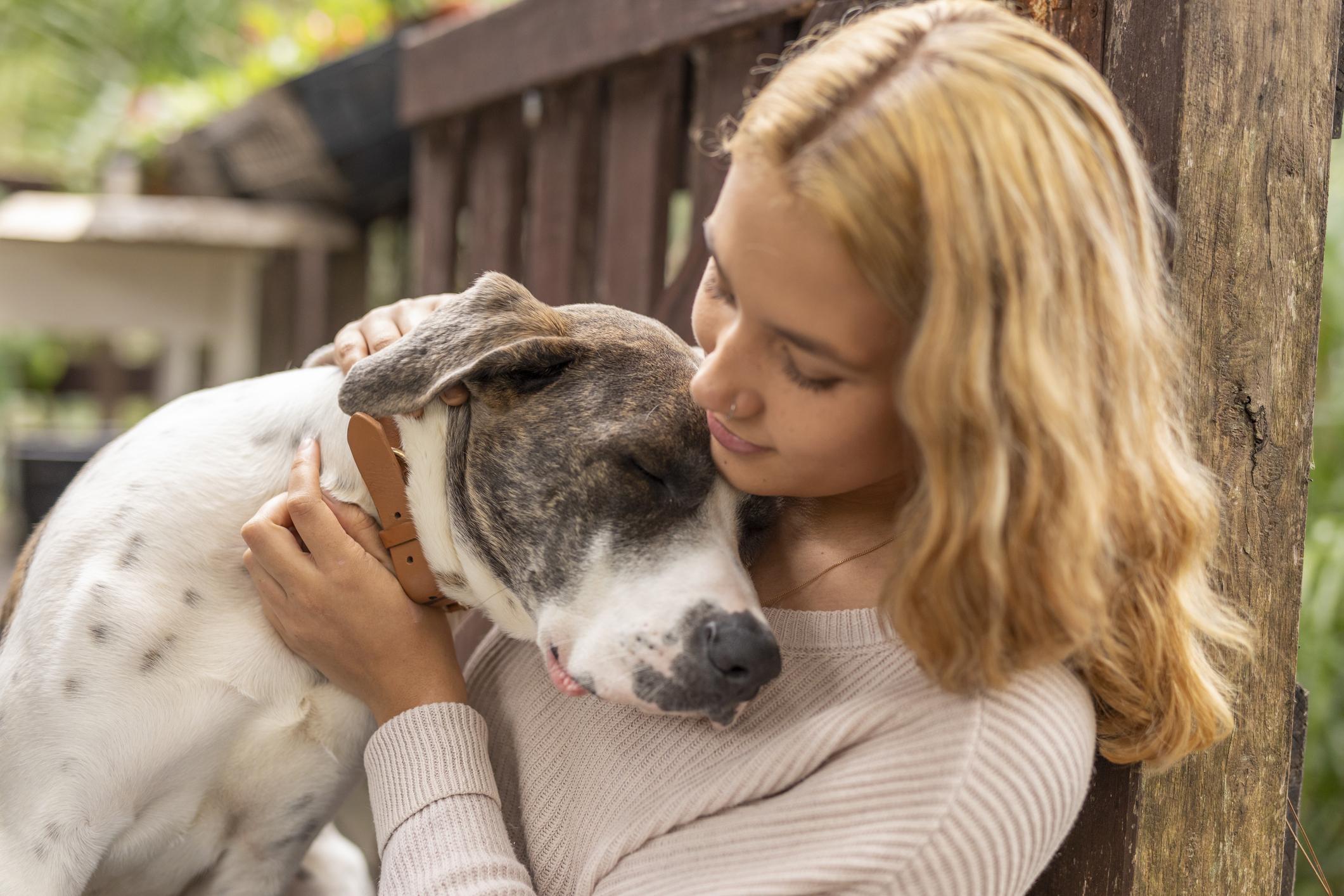
Cancer reshapes the life of a cat in ways that are often gradual at first and then painfully swift. Families begin noticing changes in behaviour, weight, appetite, and comfort levels. The routines that once defined the cat’s happiest days slowly fade, and moments of clarity become shorter and harder to find. When this shift becomes overwhelming, many families look for a way to offer their companion a peaceful goodbye without the fear, noise, or unfamiliarity that a clinic visit can bring. It is within this emotional landscape that KC in-home pet euthanasia has become an option grounded in tenderness, privacy, and emotional clarity.
In-home care allows the cat to remain in the environment that shaped their entire life story. Whether it is a favourite windowsill, a sunlit patch on the carpet, or a quiet corner of the couch they claimed as their own years ago, these spaces provide a sense of identity and security. During the final stage of cancer, when discomfort often grows and energy fades, those familiar surroundings carry deep significance. They help the cat experience the transition not as a medical event, but as a moment held gently within the rhythms of home.
When Cancer Progresses: The Deep Need for Comfort and Control
The Unspoken Toll of Physical Decline
Feline cancers often progress silently. By the time tumours or organ dysfunction become visible, the cat may already be facing significant discomfort. Pain medications can ease certain symptoms, but advanced cancer brings challenges that medication alone cannot resolve. Difficulty breathing, inability to eat or drink, chronic nausea, and fatigue reduce the quality of each remaining day. Travelling to a clinic in this condition can feel frightening and physically draining for the cat, especially if they are already sensitive to handling or transport.
The Emotional Experience of the Family
Families experience a parallel journey as they care for a cat with cancer. They carry the weight of decision-making, the fear of misreading symptoms, and the grief of knowing they cannot reverse the disease. An in-home approach offers a way to make one final decision that aligns with compassion and respect. The family can choose the timing, the setting, and the atmosphere, ensuring that the experience matches the love they have poured into the cat’s entire life.
A Home Environment Creates Softness, Stillness, and Safety
The Cat Feels Seen, Not Moved
Cats are deeply territorial animals. They feel safest in spaces they can predict and control. When an end-of-life appointment happens at home, the cat does not have to endure a car ride, a waiting room, or a sterile table. Instead, they stay in the heart of their world. The veterinarian meets them exactly where they are, on their own terms, and this sense of control softens the emotional and physical stress that might otherwise arise.
The Atmosphere Belongs to the Cat and the Family
There is no rushing, no overlapping appointments, and no noise from other animals. The family can dim the lights, play gentle music, hold the cat, or simply create quiet. They can surround the cat with blankets, favourite toys, or scents that evoke comfort. Every decision becomes intentional. The experience becomes not only about saying goodbye, but about honouring every memory created over the years.
Guidance and Compassion From Professionals Who Understand
Why Specialised Teams Make a Difference
Some families turn to providers who focus solely on end-of-life comfort, such as Heartstrings Pet Hospice, because these teams understand the emotional layers involved in a cancer-related euthanasia. They come prepared not only with medical skill, but with the ability to read the energy of the room, support grieving family members, and move gently through each moment. Their approach transforms a difficult appointment into a guided, supported process that brings clarity when emotions are overwhelming.
A Process Shaped by Calmness and Dignity
The veterinarian typically begins with unhurried conversation, allowing the family to ask questions, express fears, or share memories. The cat then receives a sedative that eases tension and discomfort while allowing them to rest calmly in the arms or presence of loved ones. When the final step occurs, it is quiet, painless, and peaceful. Cats typically drift as if falling asleep, unaware of fear or struggle, held by people who have loved them unconditionally.
A Gentle Ending Allows a Gentle Beginning for Grief
Cancer forces families to confront loss earlier than they are ready, but an in-home farewell gives them something powerful: the ability to look back on their cat’s final moments without regret or guilt. Instead of remembering stress or fear, they remember softness, connection, and the way the cat remained part of the home until the very last breath. This becomes a meaningful starting point for healing, helping families honour the many years of companionship without the sharpness of clinical memories.
FAQs
1. How do families know when in-home euthanasia becomes the kindest choice for a cat with cancer?
When pain, appetite loss, breathing difficulty, or declining mobility disrupt a cat’s daily comfort despite treatment, families often find that an in-home farewell provides a more compassionate alternative to prolonged suffering.
2. Can a cat’s other animal companions participate or remain nearby?
Many veterinarians allow other pets to stay present or visit afterwards, since it helps them understand the change and reduces behavioural confusion in the days that follow.
3. Does the veterinarian help guide families who feel uncertain about timing?
Yes. End-of-life professionals frequently offer quality-of-life assessments to help families make a thoughtful, informed decision rather than feeling rushed or unsure.
4. Are there ways to personalise the experience even further?
Families often include favourite blankets, soft music, scented items, or meaningful rituals such as reading a letter, offering a last treat, or simply holding the cat through each stage.
5. Can aftercare arrangements be handled through the same provider?
Many in-home euthanasia services can coordinate cremation, transportation, memory keepsakes, or paw prints so the family does not need to manage logistics during grief.

 English
 Arabic
 Spanish
 Portuguese
 Deutsch
 Turkish
 Dutch
Dutch
 Italiano
 Russian
 Romaian
 Portuguese (Brazil)
 Greek
Greek