Picture this: You're at a buzzing conference, chatting with a potential client who could transform your business. The conversation flows naturally, ideas spark, and then comes that awkward moment—fumbling through your wallet or pockets for a crumpled business card. Or worse, realizing you've run out. Sound familiar?
Welcome to the digital age, where this networking nightmare is becoming obsolete. Digital business cards are revolutionizing how professionals connect, share information, and build lasting relationships. These smart tools aren't just trendy gadgets—they're powerful networking assets that fit the way we actually live and work today. Whether you're an entrepreneur, freelancer, corporate professional, or anyone building a career, understanding why digital business cards matter could be the competitive edge you've been searching for.
What Exactly Is a Digital Business Card?
Think of a digital business card as your traditional paper card's tech-savvy cousin. It's essentially a virtual representation of your professional identity that lives on your smartphone or in the cloud. Instead of handing someone a physical piece of cardstock, you share your contact details electronically through various methods like QR codes, NFC technology, text messages, email, or dedicated apps.
But here's where it gets interesting—digital business cards go far beyond just listing your name and phone number. They can include interactive elements like clickable links to your website, social media profiles, portfolio samples, video introductions, and even direct booking calendars. Some platforms allow you to create multiple versions for different audiences, customize designs on the fly, and track who's viewed or saved your information.
The beauty lies in their flexibility. You're not locked into one static design or outdated information. Your digital card evolves with you, updating automatically across everyone who has it whenever you make changes on your end.
The Environmental Impact You Can't Ignore
Let's talk about something that matters to all of us—our planet. The average businessperson goes through about 10,000 business cards during their career. Now multiply that across millions of professionals worldwide, and you've got a staggering environmental footprint. Most paper cards end up in landfills within a week of being handed out, creating unnecessary waste that takes years to decompose.
Digital business cards eliminate this waste entirely. There's no paper production, no chemical inks, no shipping emissions, and no disposal concerns. Companies are increasingly measuring their carbon footprint and looking for sustainable alternatives in every aspect of their operations. Switching to digital cards demonstrates environmental consciousness that resonates with eco-minded clients and partners.
Beyond the feel-good factor, this matters for your brand reputation. Modern consumers and business partners pay attention to sustainability practices. When you present a digital card, you're quietly communicating that you care about innovation and responsibility—two qualities that build trust in today's marketplace.
Never Run Out, Never Lose Touch
Remember that sinking feeling when you reach for a business card at the perfect moment and come up empty? With digital cards, that problem vanishes completely. Your card is always with you because your smartphone is always with you. Whether you meet three people or three hundred at an event, you'll never worry about running out.
But there's another crucial advantage—the people you meet won't lose your card either. Studies show that roughly 88% of traditional business cards get thrown away within a week. They get buried in wallets, left in pockets that go through the washing machine, or simply misplaced in the shuffle of daily life. Your carefully crafted elevator pitch and contact information disappear forever.
Digital cards solve this beautifully. When someone saves your digital card to their phone, it integrates directly with their contacts. They can access your information whenever they need it, search for it instantly, and you remain just a tap away. The chances of meaningful follow-up increase dramatically when your information stays accessible.
Real-Time Updates Without the Reprint Hassle
Here's a scenario that's probably happened to you: You've just ordered 500 fresh business cards. They arrive looking sharp and professional. Then life happens—you change your phone number, switch to a new email address, move offices, get promoted with a new title, or pivot your business focus slightly. Suddenly, those 500 cards become expensive paperweights.
Digital business cards eliminate this expensive, frustrating cycle. Make one update in your digital card platform, and that change reflects instantly for everyone who has your card saved. Changed jobs? Update once. New phone number? Change it everywhere simultaneously. Launched a new service? Add it to your card in seconds.
This real-time updating capability means your network always has your current information. There's no lag time, no confusion about which number to call, and no embarrassment about outdated titles. You maintain a consistently accurate professional presence effortlessly.
Enhanced Analytics and Follow-Up Intelligence
Traditional networking operates in a black box. You hand out cards, hope people remember you, and have no idea if they ever looked at your information again. Digital business cards shine a bright light into that darkness with powerful analytics capabilities.
Many platforms show you exactly when someone views your card, which links they click, and how often they return to your information. This intelligence transforms your networking strategy. If someone views your portfolio link multiple times, they're genuinely interested—that's your cue to follow up. If certain contacts never engage, you can adjust your approach or focus energy elsewhere.
Some advanced platforms even integrate with CRM systems, automatically logging contacts and interactions. You can set reminders to follow up, add notes about your conversation, and build a systematic approach to relationship management. This data-driven networking helps you work smarter, not just harder.
Richer Content Creates Stronger Connections
Paper cards have severe limitations. You get maybe two square inches to convey who you are and what you do. Digital cards break free from these constraints entirely, letting you create a multimedia experience that truly represents your professional brand.
Want to include a 30-second video introduction? Add it. Have a portfolio of work samples? Link them directly. Offer multiple ways to contact you across different platforms? No problem. You can incorporate your LinkedIn profile, Instagram feed, YouTube channel, podcast, calendar booking tool, payment platforms, and virtually anything else that helps people understand and connect with you.
This richness matters because people connect with stories, not just names and numbers. A well-crafted digital card tells your professional story in ways paper never could. It gives contacts context, builds credibility, and provides multiple touchpoints for engagement. You're not just another face from an event—you're a three-dimensional professional with depth and substance.
Seamless Integration with Today's Technology
We live in a hyper-connected world where everything syncs, integrates, and communicates. Digital business cards fit naturally into this ecosystem in ways that paper cards simply cannot. The sharing mechanisms are designed around how we actually use technology today.
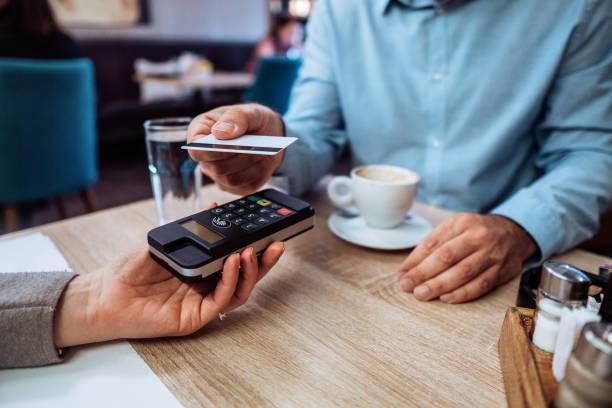
QR codes let someone scan your card in seconds, no typing required. NFC technology enables tap-to-share functionality for compatible devices. You can text your card, email it, share via AirDrop, or send through messaging apps like WhatsApp or LinkedIn. Each method works smoothly within the digital tools people already use daily.
This technological integration extends beyond just sharing. Digital cards can trigger automated workflows—adding contacts to email lists, scheduling follow-up reminders, or starting customer relationship management processes. They work alongside the productivity tools that power modern business, creating efficiency that compounds over time.
Cost Effectiveness Over Time
Let's do some quick math. Quality business cards typically cost between $20 to $100 per 100 cards, depending on design and materials. If you network actively, you might go through 500 to 1,000 cards annually. That's $100 to $1,000 every year, not including rush reprinting when information changes.
Digital business card platforms generally charge between $0 to $15 monthly, or $0 to $180 annually. Many offer free tiers with basic features, while premium options add advanced analytics and customization. Even at the higher end, you're spending less than traditional cards while gaining infinitely more functionality.
Beyond the direct costs, consider the hidden expenses of paper cards—storage space, shipping, and most importantly, your time. The hours spent designing, ordering, waiting for delivery, and managing inventory add up. Digital cards eliminate these friction points, letting you focus energy on actually networking rather than card logistics.
Enhanced Accessibility and Inclusivity
Digital business cards create more accessible networking experiences for everyone involved. For people with visual impairments, digital cards integrate with screen readers and accessibility tools that paper cards cannot. Information can be read aloud, text size can be adjusted, and contrast can be modified for better readability.
Language barriers also diminish with digital cards. Many platforms offer multi-language support, automatically displaying your information in the viewer's preferred language. This opens networking opportunities across global markets without requiring multiple card versions.
The contactless sharing methods also accommodate various physical abilities and preferences. Someone can access your information without needing to physically handle, store, or carry paper cards. This seemingly small consideration makes networking more comfortable and inclusive for a wider range of professionals.
Building a Modern Professional Image
Your business card says something about you before you say another word. When you pull out a worn paper card, you're unconsciously signaling a certain approach to business. When you seamlessly share a sleek digital card, you're projecting something entirely different—innovation, efficiency, and forward-thinking professionalism.
First impressions matter enormously in networking situations. Digital cards position you as someone who embraces technology and stays current with business trends. This perception matters across industries, but especially in tech, creative fields, consulting, and any area where innovation is valued.
Younger professionals and digital natives particularly appreciate digital interactions. As Millennials and Gen Z increasingly dominate the professional landscape, their preferences shape business norms. Meeting people where they are—on their phones, in their digital ecosystems—demonstrates awareness and adaptability.
Security and Privacy Controls
Paper business cards offer zero control once they leave your hands. Anyone can share, copy, or distribute your information without your knowledge. Digital cards flip this dynamic, putting you in the driver's seat regarding your information.
Most platforms let you control exactly what information appears, who can access certain details, and even revoke access if needed. You might share a full card with warm contacts but a limited version with cold outreach. Some platforms offer temporary cards that expire after a set time—perfect for events where you want exposure without permanent commitment.
Privacy-conscious professionals appreciate these controls in an era of increasing data sensitivity. You can update privacy settings, remove outdated information, and manage your digital presence actively rather than hoping old paper cards don't resurface with incorrect details.
The Hybrid Approach: Best of Both Worlds
Here's an important truth—going digital doesn't mean abandoning paper entirely. Many successful networkers adopt a hybrid approach, using each format strategically. Keep a small stack of traditional cards for situations where they're expected or appropriate, while making digital your primary sharing method.
This flexibility lets you read the room and adapt. At a formal corporate event with older executives? Maybe traditional cards work better. At a startup conference or tech meetup? Digital cards will feel right at home. The key is having both options available and choosing wisely based on context and audience.
Some creative professionals even use traditional cards as a deliberate design statement—beautifully crafted paper cards that include QR codes linking to their comprehensive digital presence. This approach combines tangible artistry with digital functionality, offering a memorable networking experience that stands out.
How to Choose the Right Digital Business Card Platform
With dozens of digital business card platforms available, choosing the right one requires considering your specific needs. Start by identifying your must-have features. Do you need detailed analytics? CRM integration? Team management capabilities? Custom branding options?
Popular platforms include HiHello, Haystack, CamCard, Linq, Mobilo, and industry-specific solutions. Many offer free versions with limited features and paid tiers with expanded capabilities. Test several platforms to see which interface feels most intuitive and which features align with your networking style.
Consider compatibility and ease of use for recipients too. The best digital card means nothing if people struggle to access or save it. Look for platforms that work across different devices and operating systems, require minimal recipient effort, and provide multiple sharing options to accommodate various preferences.
Making the Transition Smooth and Successful
Switching to digital business cards doesn't have to happen overnight. Start by creating your digital card and using it alongside traditional cards initially. This lets you build confidence with the technology while maintaining familiar backup options.
Practice your sharing process before high-stakes networking events. Make sure your QR code displays clearly, test NFC functionality if you're using it, and ensure all links work properly. Smooth execution makes you look polished and professional, while fumbling with technology creates the opposite impression.
Update your email signature, social media profiles, and website with your digital card sharing link. This expands your networking beyond in-person events, letting online connections access your information easily. The more touchpoints you create, the more opportunities you generate for meaningful professional relationships.
FAQ: Your Digital Business Card Questions Answered
Are digital business cards compatible with all phones?
Most digital business cards work across all smartphones through multiple sharing methods. QR codes function on any phone with a camera, while direct links work universally. NFC tap-to-share requires compatible devices (most newer Android phones and iPhones 7 or later). The best platforms offer multiple sharing options so compatibility is never an issue.
Can older professionals or less tech-savvy contacts use digital cards?
Absolutely. Modern digital cards are designed for simplicity. Receiving a card is usually as easy as scanning a QR code (which most people know how to do now) or clicking a link. The information saves directly to their contacts with one tap. Many people find this easier than manually entering information from paper cards.
What happens if my phone dies during a networking event?
This is a valid concern. Smart networkers keep a small backup of paper cards for such emergencies, or ensure they have a portable charger available. You can also write your digital card link on the back of paper cards as a hybrid solution. Additionally, some platforms let you share your card via smartwatches, which often have longer battery life.
Are digital business cards expensive?
Not at all. Many excellent platforms offer free versions with basic features that work perfectly for most professionals. Premium versions typically cost $5-15 monthly, which is less than printing quality paper cards annually. The ROI comes from improved follow-up rates, environmental savings, and never needing reprints.
How do I track who I've shared my digital card with?
Most platforms maintain a sharing history showing when and how you shared your card. Advanced options include analytics showing who viewed your card, which links they clicked, and how long they engaged. Some integrate with CRM systems to automatically log new contacts. This tracking capability is a significant advantage over paper cards.
Can I customize my digital business card design?
Yes, customization varies by platform but most offer extensive design options. You can typically choose colors, layouts, fonts, and branding elements to match your professional identity. Many allow uploading custom logos and background images. Some even offer multiple card designs you can switch between for different purposes.
What if I work for a company with strict branding guidelines?
Many digital business card platforms offer enterprise solutions with company-wide branding controls. Administrators can set templates that ensure brand consistency while letting individual employees customize their personal information. This works well for organizations wanting the digital card benefits without losing brand coherence.
Is my information secure on digital business card platforms?
Reputable platforms use industry-standard encryption and security practices to protect your data. Look for platforms with clear privacy policies, data encryption, and compliance with regulations like GDPR. You control what information appears on your card and can update or remove data anytime. This is actually more secure than paper cards that anyone can photograph or copy.

 Arabic
 French
 Spanish
 Portuguese
 Deutsch
 Turkish
 Dutch
Dutch
 Italiano
 Russian
 Romaian
 Portuguese (Brazil)
 Greek
Greek