
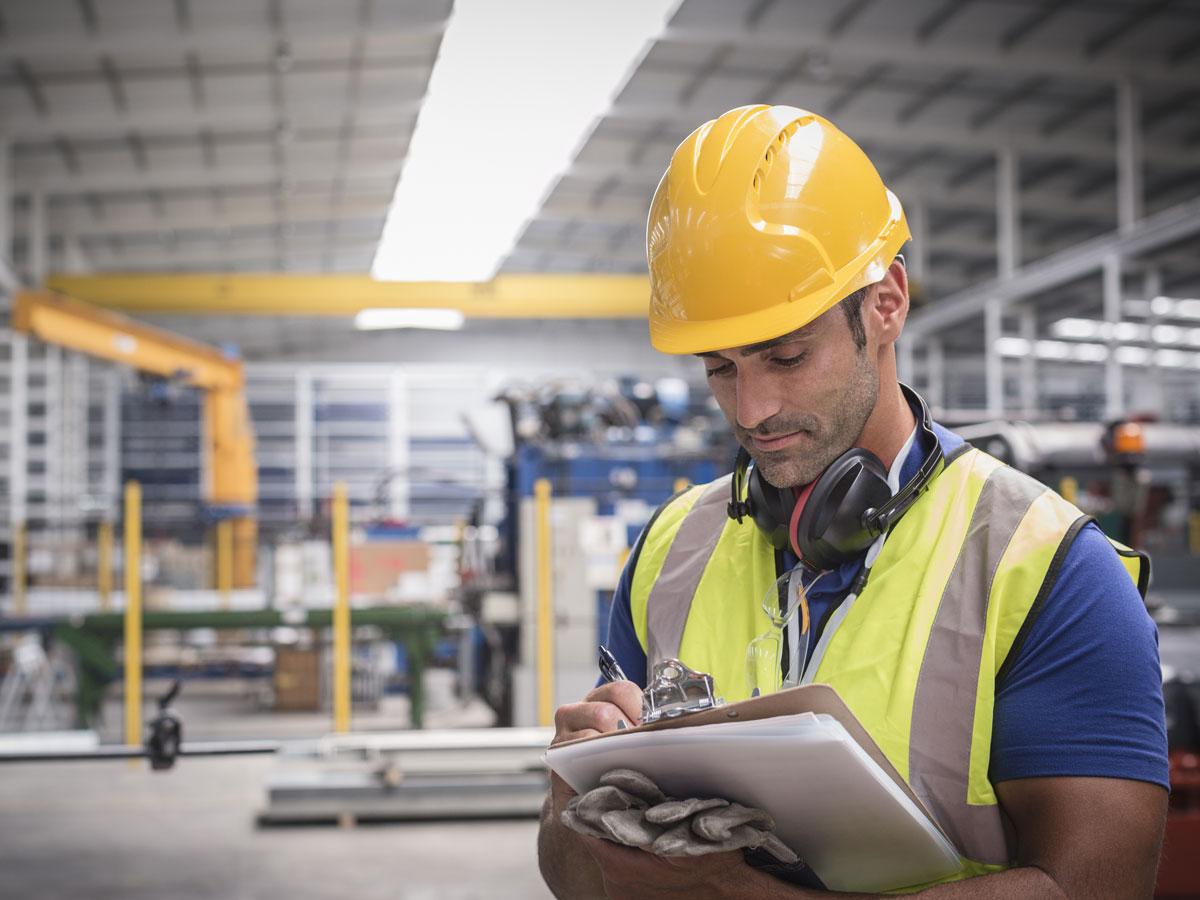
A safety policy on paper does not stop accidents. What truly protects workers is a team that takes responsibility for identifying hazards before they cause harm. In many workplaces, incidents occur not because employees lack knowledge, but because accountability is unclear. When everyone assumes someone else will act, hazards remain unnoticed.
Organizations that prioritize structured safety education often address this challenge early. Many professionals begin developing leadership and responsibility skills through Safety Officer Courses, where they learn how accountability systems influence hazard prevention. These programs emphasize that safety is not just the duty of one officer. It is a shared commitment that must be supported by clear roles, communication, and consistent action.
Building accountability within a team requires thoughtful planning. It involves leadership behavior, clear expectations, and practical systems that encourage workers to speak up when something feels unsafe.
Why Accountability Matters in Hazard Prevention
Accountability creates ownership. When individuals understand their role in maintaining safety, they become more attentive to risks around them.
Without accountability, safety programs often struggle. Procedures exist, but they are not followed consistently. Workers may assume supervisors will handle problems, while supervisors expect workers to report issues.
Consider a simple example.
In a manufacturing facility, a loose guard on a machine went unnoticed for weeks. Several operators assumed maintenance had already reported it. Maintenance believed production would file the report. Eventually, a worker's sleeve caught in the machine, causing injury.
This incident was not caused by a lack of safety rules. It happened because responsibility was unclear.
Accountability systems solve this gap by ensuring that:
- Hazards are identified quickly
- Reports are taken seriously
- Follow-up actions are tracked
- Every worker understands their responsibility
When teams operate this way, safety becomes proactive instead of reactive.
Common Barriers That Prevent Team Accountability
Before creating strong accountability systems, it helps to understand what usually blocks them.
1. Fear of Blame
Workers often avoid reporting hazards if they believe they will be blamed for mistakes. A culture of punishment discourages openness.
Teams perform better when safety conversations focus on solutions rather than blame.
2. Unclear Responsibilities
If employees do not know who should act when a hazard appears, issues remain unresolved.
Clear role definitions remove hesitation and encourage immediate action.
3. Weak Communication Channels
Some organizations rely on complicated reporting procedures. When reporting takes too long, workers simply move on.
Simple communication channels encourage faster reporting.
4. Leadership Inconsistency
Accountability cannot exist if leaders ignore safety procedures themselves. Workers observe behavior more than they listen to instructions.
When leaders follow the same safety expectations as everyone else, credibility grows.
The Role of Leadership in Building Accountability
Leadership sets the tone for workplace safety. A team will rarely take safety seriously if leaders treat it as a formality.
Good safety leaders practice visible involvement.
For example, a construction supervisor who begins each shift with a brief safety discussion sends a clear message. Workers see that hazard awareness is part of the daily routine.
Leadership accountability includes several key practices:
- Discuss safety during regular meetings
- Encourage workers to raise concerns without hesitation
- Recognize employees who report hazards early
- Address reported risks quickly
A supervisor who acts on reports builds trust. Over time, workers become more confident in sharing safety concerns.
Strategies to Strengthen Team Accountability
Creating accountability requires structured systems that guide daily behavior. The following strategies help teams actively participate in hazard prevention.
1. Define Clear Safety Responsibilities
Every worker should understand their role in identifying and addressing hazards.
For example:
- Operators check equipment before use
- Supervisors verify inspections are completed
- Safety personnel track reports and corrective actions
When responsibilities are clearly assigned, safety actions become routine.
2. Use Simple Hazard Reporting Systems
A complicated reporting process discourages participation.
Effective systems may include:
- Mobile reporting tools
- Quick hazard cards
- Digital reporting platforms
The goal is to make reporting hazards as easy as possible.
3. Encourage Peer-to-Peer Responsibility
Accountability grows stronger when workers feel responsible for each other.
In many high-performing teams, workers remind colleagues to wear protective equipment or follow procedures.
This culture develops when workers understand that safety reminders are acts of support, not criticism.
4. Conduct Regular Safety Walkthroughs
Routine walkthroughs help identify hazards early.
Supervisors and workers can inspect areas together, which encourages shared responsibility.
These inspections also help employees learn to recognize risks that might otherwise go unnoticed.
5. Track and Share Safety Progress
People respond positively when they see results.
Tracking hazard reports, corrective actions, and improvements shows teams that their efforts matter.
Sharing progress during meetings keeps everyone engaged in the safety process.
Real-World Example of Team Accountability
A logistics warehouse experienced frequent near-miss incidents involving forklifts and pedestrian workers.
Initially, management relied on written safety procedures. However, incidents continued because workers rarely reported near misses.
The company introduced a simple accountability system:
- Workers reported hazards through a mobile app.
- Supervisors reviewed reports daily.
- Weekly safety meetings discussed trends and solutions.
Within three months, the number of reported hazards increased significantly. Interestingly, actual incidents decreased because hazards were addressed before accidents occurred.
This example highlights how accountability encourages early action.
Practical Steps to Create a Culture of Responsibility
Teams that successfully prevent hazards usually follow consistent daily practices.
Build Open Communication
Encourage workers to speak openly about safety concerns.
This can be supported by:
- Quick safety discussions before shifts
- Anonymous reporting options
- Encouragement from supervisors
Open dialogue helps identify hidden risks.
Recognize Responsible Behavior
Acknowledging responsible workers reinforces positive behavior.
Recognition does not need to be formal. Even simple appreciation during meetings can motivate employees.
Train Workers to Recognize Hazards
Many workers walk past risks simply because they do not recognize them.
Short training sessions that explain real workplace hazards can significantly improve awareness.
Review Incidents Without Blame
When accidents occur, teams should focus on understanding what happened rather than blaming individuals.
This approach encourages honest reporting and deeper learning.
The Role of Safety Training in Accountability
Accountability becomes stronger when workers understand the broader purpose of safety systems. Training programs help employees connect everyday tasks with risk prevention.
Professionals who complete structured learning programs often gain practical knowledge about hazard identification, risk assessment, and safety leadership. These skills are commonly introduced through formal training pathways and Safety Courses that focus on workplace safety standards, incident investigation, and preventive strategies.
Quality training institutions usually emphasize real-world scenarios rather than theory alone. Learners practice identifying hazards, conducting inspections, and communicating safety concerns effectively. These skills later translate into stronger accountability within workplace teams.
For many professionals, structured training also builds confidence. When workers understand how safety systems operate, they are more willing to participate in hazard reporting and prevention activities.
Frequently Asked Questions
1. What does team accountability mean in workplace safety?
Team accountability means that every worker shares responsibility for identifying hazards and following safety procedures. It ensures that safety is not limited to supervisors or safety officers alone.
2. How can supervisors encourage workers to report hazards?
Supervisors can encourage reporting by responding quickly to safety concerns, avoiding blame, and making the reporting process simple and accessible.
3. Why do some workers hesitate to report hazards?
Workers may hesitate if they fear criticism, believe reporting will not lead to action, or find reporting procedures complicated.
5. How often should teams review safety issues?
Many organizations review safety concerns during weekly meetings or daily shift briefings. Regular discussions help maintain awareness and encourage reporting.
6. Can accountability reduce workplace accidents?
Yes. When hazards are reported early and addressed quickly, the likelihood of accidents decreases significantly.
Conclusion
Workplace safety depends on more than rules and equipment. It depends on people who take responsibility for recognizing and addressing hazards before they escalate.
Strong accountability systems clarify roles, encourage open communication, and support proactive hazard reporting. Leaders play a central role in shaping this culture, but every team member contributes to its success.
When workers understand their responsibilities and feel confident speaking up, safety becomes part of everyday work rather than an occasional reminder. Over time, this shared commitment builds safer workplaces where hazards are addressed early and incidents become far less common.

 English
 Arabic
 French
 Spanish
 Portuguese
 Deutsch
 Turkish
 Dutch
Dutch
 Italiano
 Russian
 Portuguese (Brazil)
 Greek
Greek