
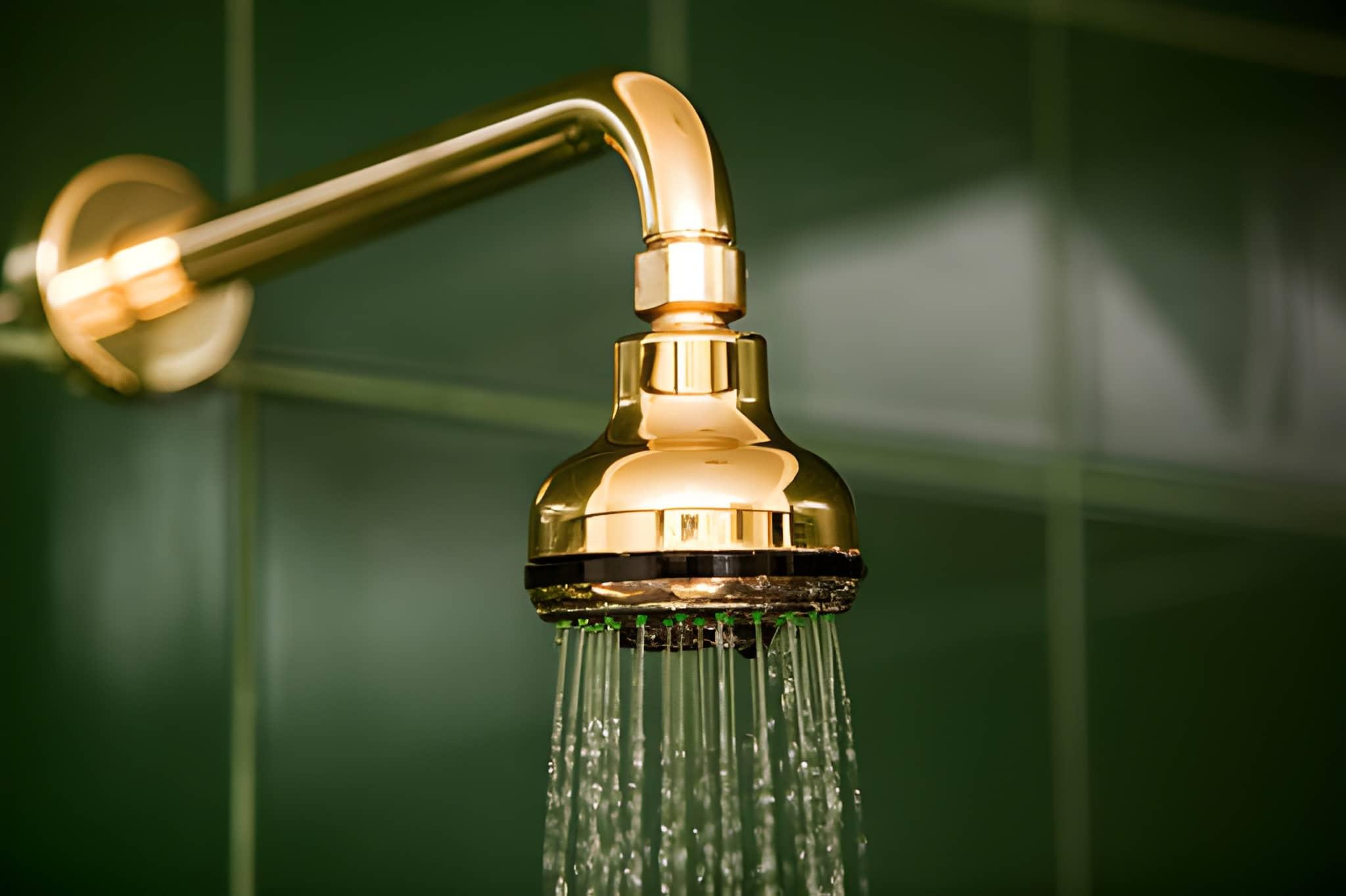
In recent years, chlorine-removing shower filters have gained significant popularity across the United States. As awareness grows about water quality and its impact on skin, hair, and overall health, more households are turning to shower filtration solutions. Municipal water supplies in the USA commonly use chlorine to disinfect water, but prolonged exposure during showers can cause dryness, irritation, and other concerns. Chlorine-removing shower filters are designed to reduce these effects, offering a cleaner and more refreshing shower experience.
These filters have become especially popular among people with sensitive skin, children, and those living in areas with heavily treated water. With easy installation and noticeable benefits, they are now considered an essential bathroom upgrade in many American homes.
Why Chlorine Is Used in Shower Water
Chlorine is widely used by water treatment facilities because it effectively kills bacteria, viruses, and other harmful microorganisms. While it makes drinking water safer, chlorine can have unwanted side effects when it comes into contact with skin and hair.
During a hot shower, chlorine evaporates into steam, which can be inhaled and absorbed through the skin. Over time, this exposure may contribute to dry skin, brittle hair, scalp irritation, and even worsening of conditions like eczema or psoriasis. This is one of the main reasons chlorine-removing shower filters have become so popular in the USA.
How Chlorine-Removing Shower Filters Work
Chlorine-removing shower filters use specialized filtration media to neutralize or reduce chlorine and other contaminants. Common filtration materials include:
-
Activated carbon: Absorbs chlorine, odors, and organic compounds
-
KDF (Kinetic Degradation Fluxion): Uses a redox reaction to reduce chlorine and heavy metals
-
Vitamin C (ascorbic acid): Neutralizes chlorine through a chemical reaction
-
Multi-stage filtration systems: Combine several materials for enhanced performance
These filters are typically installed between the shower arm and showerhead or integrated directly into the showerhead itself.
Benefits of Using Chlorine-Removing Shower Filters
The popularity of these filters in the USA is driven by a wide range of benefits:
Improved Skin Health
By reducing chlorine exposure, shower filters help retain natural skin oils, leading to softer and more hydrated skin. Many users report reduced itchiness and irritation after switching to filtered shower water.
Healthier Hair and Scalp
Chlorine can strip hair of its natural oils, leaving it dry and damaged. A chlorine-removing shower filter helps maintain moisture, improves hair texture, and reduces scalp dryness.
Reduced Chemical Odors
Filtered water smells fresher and cleaner. Eliminating the strong chlorine odor makes showers more enjoyable and relaxing.
Better for Sensitive Individuals
People with allergies, asthma, or skin conditions often find relief by using filtered shower water, as it reduces exposure to harsh chemicals.
Popular Types of Shower Filters in the USA
Several types of chlorine-removing shower filters are popular among American consumers:
Inline Shower Filters
These are installed between the water pipe and showerhead. They are compatible with most standard showerheads and are easy to replace.
Filtered Showerheads
These combine a showerhead with a built-in filter. They are convenient, stylish, and ideal for people who want an all-in-one solution.
Handheld Shower Filters
Common in family homes, these offer flexibility while still providing chlorine filtration.
Each type caters to different preferences, but all aim to reduce chlorine effectively.
Installation and Maintenance
One of the reasons these filters are widely adopted in the USA is their simplicity. Most chlorine-removing shower filters require no professional installation and can be attached in minutes using basic tools.
Maintenance typically involves replacing the filter cartridge every 3 to 6 months, depending on water quality and usage. Regular replacement ensures optimal filtration performance and consistent water quality.
Environmental and Cost Benefits
Using a shower filter can also be an environmentally friendly choice. By improving water quality at the source, people may rely less on bottled water or additional skincare products designed to counteract chlorine damage.
Additionally, these filters are relatively affordable compared to whole-house water filtration systems, making them a cost-effective option for renters and homeowners alike.
Choosing the Right Shower Filter
When selecting a chlorine-removing shower filter, consider the following factors:
-
Filtration technology and materials
-
Compatibility with your shower setup
-
Filter lifespan and replacement cost
-
Certifications or third-party testing
-
Customer reviews and brand reputation
Choosing a reliable product ensures long-term benefits and consistent performance.
Conclusion
Chlorine-removing shower filters have become increasingly popular in the USA due to growing concerns about water quality and personal health. They offer a simple yet effective way to reduce chlorine exposure, improve skin and hair health, and enhance the overall shower experience.
For anyone looking to upgrade their bathroom routine and protect themselves from harsh chemicals, installing a shower head filter is a practical and accessible solution that delivers noticeable results over time.

 English
 French
 Spanish
 Portuguese
 Deutsch
 Turkish
 Dutch
Dutch
 Italiano
 Russian
 Romaian
 Portuguese (Brazil)
 Greek
Greek