
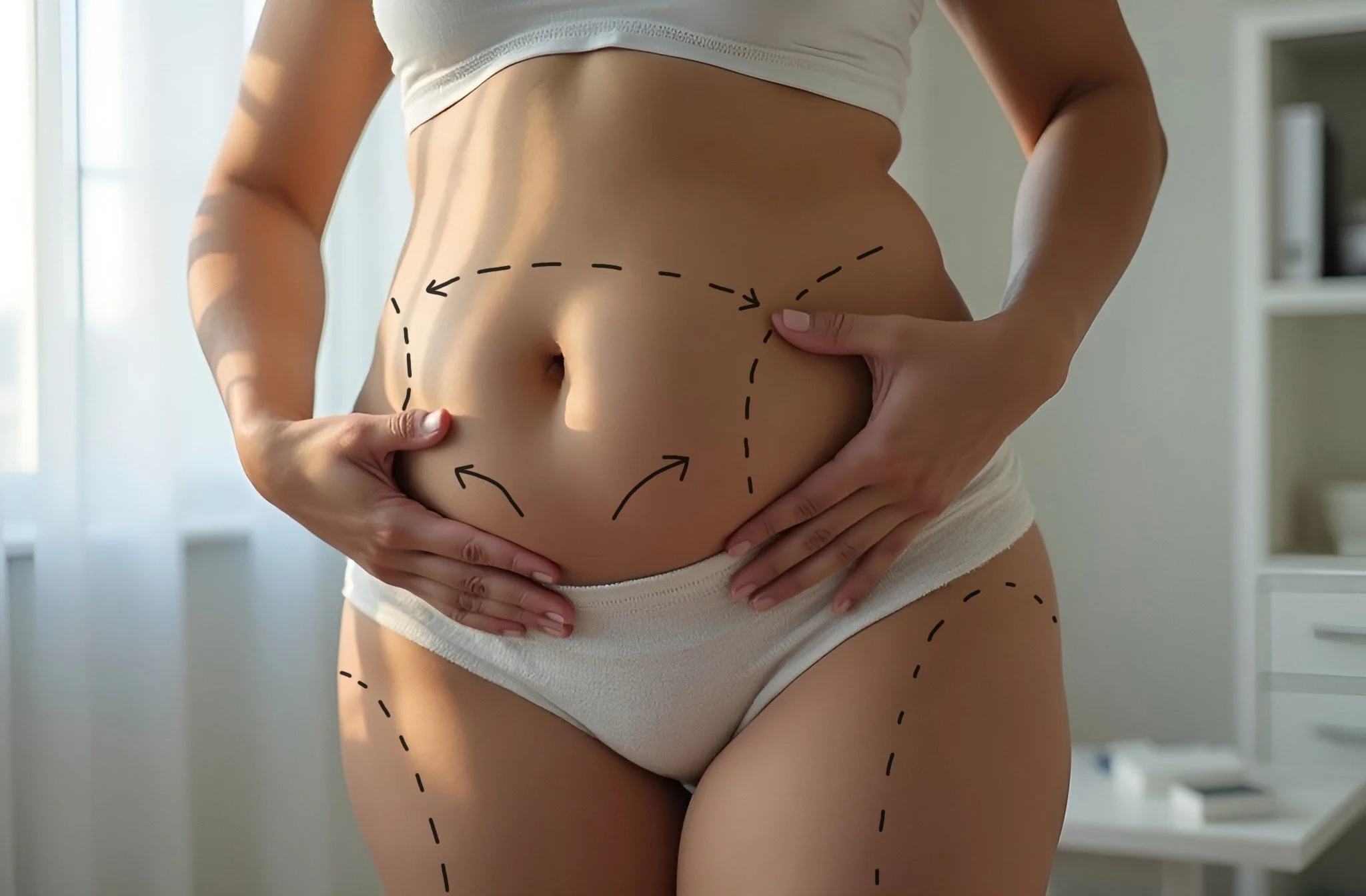
Many patients considering Liposuction Surgery mistakenly believe it is a shortcut to significant weight loss. While liposuction can reshape and contour the body by removing stubborn fat deposits, it is not designed to replace diet, exercise, or medical weight-loss interventions. Understanding the true purpose of liposuction, its limitations, and realistic outcomes is essential for anyone considering this procedure.
The Primary Goal of Liposuction:
Liposuction is a body-contouring procedure, not a weight-loss method. Its main objectives include:
-
Removing localized fat deposits that resist diet and exercise
-
Enhancing body shape and proportions
-
Highlighting natural muscle and body contours
-
Improving self-confidence and body image
Unlike bariatric surgery or medically supervised weight-loss programs, liposuction is focused on aesthetics rather than overall body mass reduction.
Why Liposuction Cannot Replace Healthy Habits:
Even after fat removal, maintaining a stable weight requires consistent lifestyle practices. Key points include:
-
Liposuction removes only a limited volume of fat
-
Remaining fat cells can expand if patients gain weight
-
Diet and exercise remain essential for long-term results
-
Liposuction works best for individuals near their ideal body weight
The procedure should complement, not replace, healthy habits and sustainable weight management strategies.
Understanding Fat Distribution:
Liposuction targets fat in specific areas, not overall body fat. This distinction is important for setting expectations:
-
Commonly treated areas include the abdomen, thighs, hips, arms, and back
-
Fat removed from one area does not automatically reduce fat elsewhere
-
Body mass index (BMI) is not significantly affected by liposuction alone
-
Results are visual and contour-based rather than numeric weight reduction
Patients should focus on aesthetic improvements rather than the scale.
Typical Weight Change After Liposuction:
Most patients experience minimal changes in overall weight following the procedure. Insights include:
-
Fat removal is generally measured in liters, not pounds for dramatic weight loss
-
Average removal ranges from 2–5 liters per session, depending on safety guidelines
-
Weight reduction is often less than 5% of total body weight
-
Psychological benefits from improved body contour often outweigh scale changes
Understanding this helps patients avoid unrealistic expectations about the procedure.
Misconceptions About Liposuction and Obesity:
Liposuction is not a treatment for obesity or metabolic conditions. Common misconceptions include:
-
Believing it will solve chronic obesity-related health problems
-
Thinking it eliminates the need for lifestyle modifications
-
Expecting permanent weight loss without maintaining healthy habits
-
Assuming it can replace other medical interventions for high BMI
Clarifying these points helps patients approach liposuction with realistic goals and safer expectations.
The Role of Liposuction in Body Contouring:
While not a weight-loss tool, liposuction excels in sculpting the body. Benefits include:
-
Smoothing out areas resistant to exercise
-
Enhancing muscle definition and body proportions
-
Reducing localized fat pockets that cause self-consciousness
-
Providing long-lasting aesthetic improvements when weight is stable
Focusing on contour rather than weight helps patients appreciate the true value of the procedure.
Patient Selection for Optimal Results:
Choosing the right candidates is critical to successful outcomes. Surgeons typically consider:
-
Individuals close to their ideal weight with small, stubborn fat deposits
-
Patients with good skin elasticity for smooth contouring
-
Those with realistic expectations regarding weight and appearance
-
Healthy individuals without conditions that increase surgical risks
Proper selection ensures the procedure enhances aesthetics safely and effectively.
Safety Considerations and Limitations:
As with any surgical procedure, liposuction carries risks, which are amplified if patients misunderstand its purpose. Key considerations include:
-
Excessive fat removal in pursuit of weight loss can be dangerous
-
Liposuction does not treat internal visceral fat linked to metabolic disease
-
Complications may arise if patients attempt multiple large-volume procedures
-
Safe limits exist to ensure long-term health and recovery
Understanding limitations ensures patients achieve desired results without compromising safety.
Combining Liposuction With Healthy Lifestyle Choices:
Liposuction works best when paired with sustainable lifestyle practices. Recommendations include:
-
Maintaining a balanced diet to prevent fat accumulation in untreated areas
-
Regular cardiovascular and strength training exercises
-
Hydration and sleep management to support overall health
-
Follow-up consultations to monitor results and body composition
This combination maximizes aesthetic benefits while supporting general well-being.
Psychological Benefits of Liposuction:
Even though liposuction is not a weight-loss procedure, it can positively impact mental health and self-image. Benefits include:
-
Increased confidence in appearance and clothing fit
-
Motivation to maintain healthy habits and body composition
-
Reduced frustration over areas resistant to exercise
-
Enhanced satisfaction with body contours, even with minimal scale change
Patients often find that improved confidence is one of the most valuable outcomes of liposuction.
Final Thoughts:
Liposuction Surgery is a powerful tool for body contouring but should never be mistaken for a weight-loss procedure. Its purpose is to remove localized fat deposits and refine the body’s shape, not to drastically reduce body weight or treat obesity. Realistic expectations, proper candidate selection, and a commitment to healthy lifestyle habits are essential for achieving satisfying, long-term results. By understanding the limitations and true benefits of liposuction, patients can approach the procedure with clarity, safety, and confidence.

 Arabic
 French
 Spanish
 Portuguese
 Deutsch
 Turkish
 Dutch
Dutch
 Italiano
 Russian
 Romaian
 Portuguese (Brazil)
 Greek
Greek