
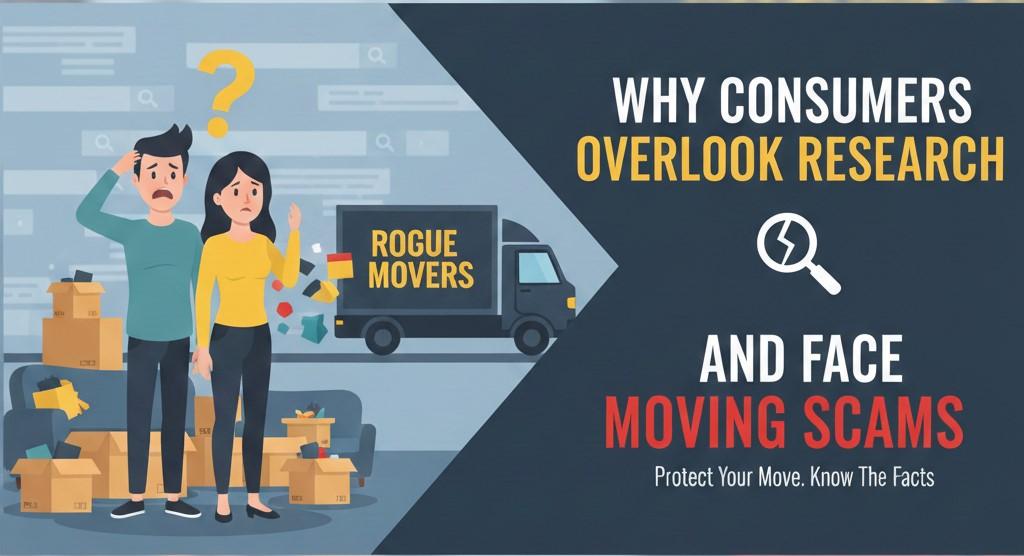
Moving is a huge task. Between packing, coordinating schedules, and planning logistics, it’s easy for people to feel overwhelmed. Unfortunately, in the rush, many overlook one crucial step: researching the moving company.
The Hidden Risks of Skipping Research
When consumers fail to investigate their movers, they unknowingly open themselves up to serious financial and emotional risks. Scammers know this all too well. According to recent data, nearly 60% of people hire moving companies without verifying licenses or reading reviews in detail. This lack of due diligence can turn what should be an exciting transition into a stressful ordeal.
Why Consumers Rush the Process
Time pressure is one of the biggest reasons research gets skipped. Many people feel that they need to secure a moving date quickly and may hire the first available company. Surveys indicate that about 45% of movers admit that urgency drives their hiring decisions, rather than careful vetting.
The Cost of Rushing
- Higher risk of encountering fraud
- Possessions may be damaged or delayed
- Stress and anxiety increase for the moving family
Trusting Appearances
Another reason is misplaced trust. A professional-looking website, a branded truck, or convincing online reviews can easily mislead someone. Scammers are increasingly sophisticated, creating websites that look legitimate, displaying fake licenses, and even posting fabricated testimonials. Consumers assume everything is fine until it’s too late.
Financial and Emotional Costs of Moving Scams
The consequences of falling victim to a moving scam are both financial and emotional. According to the Federal Motor Carrier Safety Administration (FMCSA), victims can lose anywhere from $2,000 to $10,000 or more, depending on the scale of the scam.
The Emotional Toll
Beyond money, there’s the stress and anxiety that come with missing, damaged, or delayed possessions. Imagine arriving at your new home to find that important items are lost. This scenario is more common than many realize, leaving families frustrated and helpless.
Common Challenges Faced
- Delayed deliveries
- Damaged or missing furniture
- High costs for replacements or repairs
- Emotional stress and disrupted schedules
Reading real experiences can help. Moving Scam Stories provides detailed accounts from people who have faced scams firsthand. These stories reveal the tactics scammers use, such as sudden price increases or disappearing trucks, helping others avoid similar pitfalls.
How Consumers Can Protect Themselves
The good news is that avoiding moving scams is possible with the right preparation. Knowledge and vigilance are key. Following best practices ensures that consumers can make informed decisions and protect both their belongings and their finances.
Steps to Vet a Moving Company
Here are some practical steps people can take before hiring a mover:
- Verify the company’s DOT number and license.
- Check reviews across multiple platforms.
- Ask detailed questions about pricing, insurance, and delivery timelines.
- Be cautious of companies requiring large upfront payments.
- Seek personal recommendations from friends or family.
Additionally, guides like How To Avoid Moving Scams provide a step-by-step approach for consumers. Even spending a few minutes reviewing such resources can prevent significant losses.
Red Flags to Watch For
- Prices that seem too good to be true
- Vague or evasive answers about company policies
- No written estimates or contracts
- Requests for full payment upfront
- Unmarked trucks or inconsistent company branding
Being aware of these red flags allows consumers to act proactively rather than reactively.
The Importance of Informed Decisions
Consumers must recognize that skipping research might save a few minutes now, but it can result in substantial losses later. The effort put into investigating a moving company before signing a contract is minimal compared to the potential consequences.
Why Stories Matter
Stories of past victims serve as powerful lessons. They help consumers understand real-world tactics and highlight mistakes to avoid. By learning from others’ experiences, individuals can make smarter, safer decisions and prevent becoming another statistic.
Benefits of Learning From Others
- Informed consumers are less likely to be scammed
- Awareness reduces stress and financial risk
- Educated decisions protect personal belongings
Conclusion
Moving is stressful enough without the added burden of scams. Taking the time to research and verify a moving company is essential. Professional guidance, real-life experiences, and practical steps can make all the difference.
By prioritizing informed decision-making, consumers can ensure that their move is smooth, secure, and worry-free.
Planning ahead, asking the right questions, and paying attention to red flags may require a little extra effort, but it guarantees peace of mind and protects both possessions and finances. In the world of moving, preparation is the best form of protection.

 Arabic
 French
 Spanish
 Portuguese
 Deutsch
 Turkish
 Dutch
Dutch
 Italiano
 Russian
 Romaian
 Portuguese (Brazil)
 Greek
Greek