
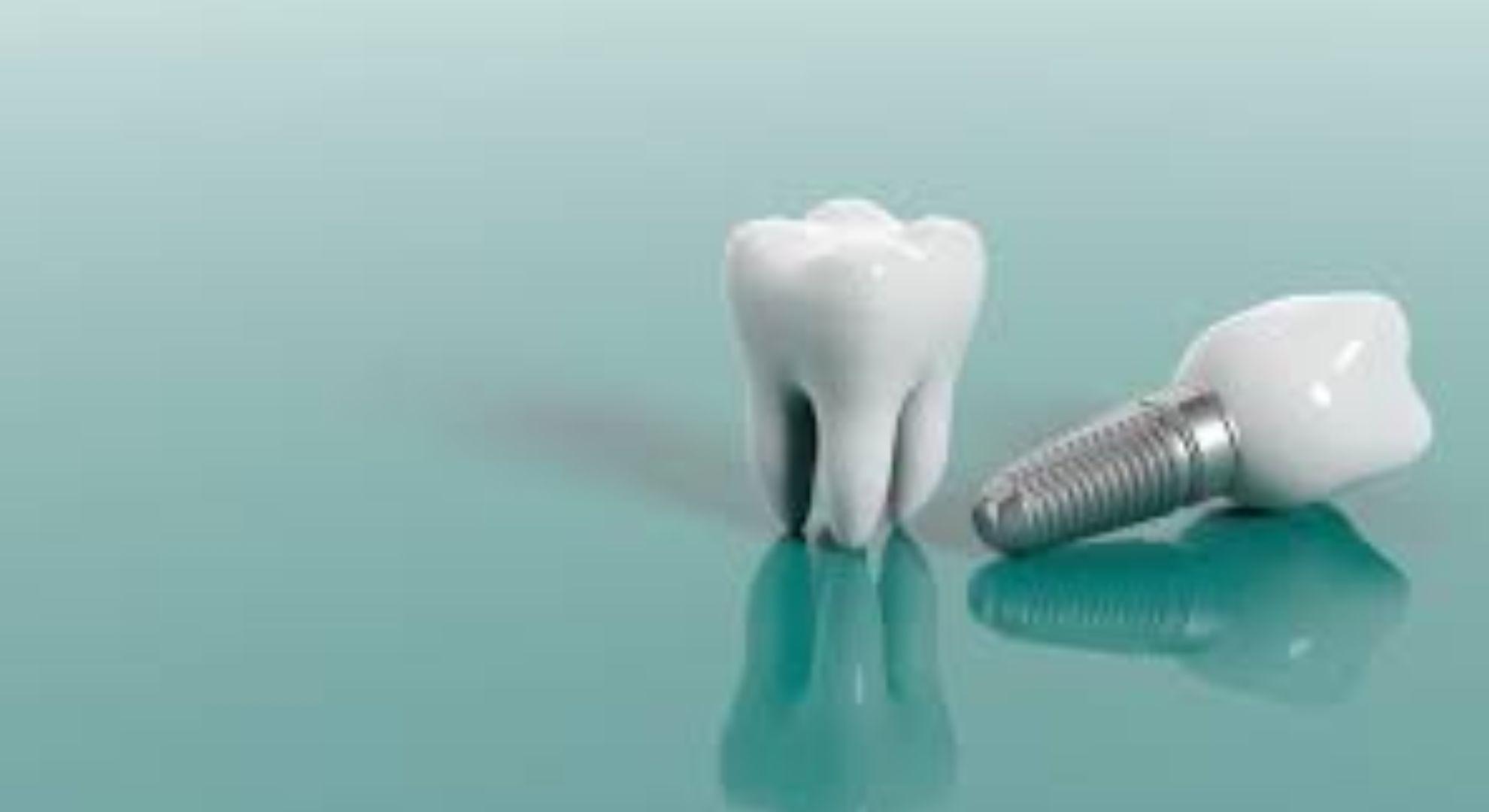
Tooth loss affects millions of adults and can significantly impact oral health, appearance, and confidence. Whether caused by decay, gum disease, injury, or aging, missing teeth often lead people to consider tooth replacement options such as dentures or dental implants. While both solutions restore function to some degree, they differ greatly in comfort, longevity, and overall quality of life.
Understanding these differences can help patients make informed decisions about their long-term oral health.
Why Replacing Missing Teeth Is Essential
Leaving missing teeth untreated can lead to several oral and health-related complications, including:
- Shifting of surrounding teeth
- Jawbone deterioration and facial collapse
- Difficulty chewing and digesting food
- Speech problems
- Increased risk of gum disease
Modern dentistry offers advanced solutions that not only replace missing teeth but also restore natural oral function and aesthetics.
What Are Dentures?
Dentures are removable appliances designed to replace missing teeth. They can be full dentures, which replace all teeth in an arch, or partial dentures, which replace several missing teeth.
Advantages of Dentures
- Lower upfront cost
- Non-surgical solution
- Faster initial placement
Limitations of Dentures
- Can slip or move while eating or speaking
- Often require adhesives
- May cause sore spots or irritation
- Do not prevent jawbone loss
- Require frequent adjustments over time
Dentures may serve as a temporary solution, but many patients find them uncomfortable and limiting in the long run.
What Are Dental Implants?
Dental implants are permanent tooth replacements that involve placing a titanium post into the jawbone to act as an artificial tooth root. Once healed, a crown, bridge, or full-arch prosthesis is attached.
Implants can replace:
- A single missing tooth
- Multiple missing teeth
- An entire arch using full-arch implant systems
Because implants integrate with the bone, they offer superior stability and function compared to removable options.
Full-Arch Dental Implants Explained
For patients missing most or all teeth, full-arch dental implants provide a fixed solution using four to six implants to support a complete set of teeth. This approach eliminates the need for individual implants for each tooth while delivering exceptional stability.
Benefits of Full-Arch Implants
- Fixed, non-removable teeth
- Improved chewing power
- Natural appearance
- Long-term bone preservation
- No need for adhesives
Many patients receive temporary teeth shortly after surgery, allowing them to maintain normal daily activities during healing.
Dental Implants vs Dentures: A Direct Comparison
Stability and Comfort
- Dentures: Can move or shift, causing discomfort
- Implants: Permanently anchored for maximum stability
Chewing Ability
- Dentures: Limited food choices
- Implants: Eat most foods comfortably
Bone Health
- Dentures: Accelerate bone loss
- Implants: Stimulate and preserve jawbone
Longevity
- Dentures: Typically last 5–7 years
- Implants: Can last decades with proper care
Maintenance
- Dentures: Require removal and special cleaning
- Implants: Cleaned like natural teeth
Who Is a Good Candidate for Dental Implants?
Dental implants are suitable for many adults, including those who have worn dentures for years. Ideal candidates typically have:
- Healthy gums
- Adequate bone density (or eligibility for bone grafting)
- Good overall health
- Commitment to oral hygiene
A comprehensive evaluation using 3D imaging is essential to determine candidacy and design a personalized treatment plan.
The Dental Implant Process Step by Step
1. Consultation and Imaging
A detailed oral exam and 3D CT scan assess bone structure and identify the best implant placement locations.
2. Treatment Planning
The dental provider designs a customized plan tailored to facial structure, bite alignment, and aesthetic goals.
3. Implant Placement
Implants are surgically placed into the jawbone under local anesthesia or sedation for comfort.
4. Healing and Integration
Over several weeks, implants fuse with the bone in a process called osseointegration.
5. Final Restoration
A custom-made crown or full-arch prosthesis is attached, restoring full function and appearance.
Cost Considerations and Value Over Time
While dental implants may have a higher upfront cost than dentures, they often provide greater value over time. Dentures require replacements, relines, and adhesives, which add ongoing costs. Implants, when properly maintained, can last decades with minimal additional expense.
Many dental practices now offer:
- Flexible payment plans
- Financing options
- Transparent, all-inclusive pricing
These options make implant care more accessible than ever before.
Recovery and Aftercare
Recovery after implant surgery is typically manageable, with mild swelling and discomfort for a few days. Patients are advised to:
- Follow a soft-food diet initially
- Maintain excellent oral hygiene
- Attend follow-up visits
Routine dental checkups and professional cleanings help ensure long-term implant success.
How Dental Implants Improve Quality of Life
Patients who switch from dentures to implants often report:
- Increased confidence when smiling
- Improved speech clarity
- Greater comfort during meals
- Enhanced social interactions
The psychological and functional benefits of implants go far beyond aesthetics.
Choosing the Right Implant Provider
Selecting an experienced implant provider is crucial. Look for professionals who offer:
- Advanced 3D imaging technology
- Experience with full-arch restorations
- Customized treatment planning
- Clear communication and education
A provider who prioritizes patient understanding and long-term outcomes can significantly impact treatment success.
Conclusion
Dental implants represent the gold standard for tooth replacement, offering unmatched stability, comfort, and longevity compared to traditional dentures. Whether replacing a single tooth or restoring an entire smile, implant-supported solutions help preserve bone health, restore confidence, and improve daily life. For individuals seeking a long-term, natural-feeling solution to missing teeth, dental implants are a powerful investment in oral and overall health.

 Arabic
 French
 Spanish
 Portuguese
 Deutsch
 Turkish
 Dutch
Dutch
 Italiano
 Russian
 Romaian
 Portuguese (Brazil)
 Greek
Greek