
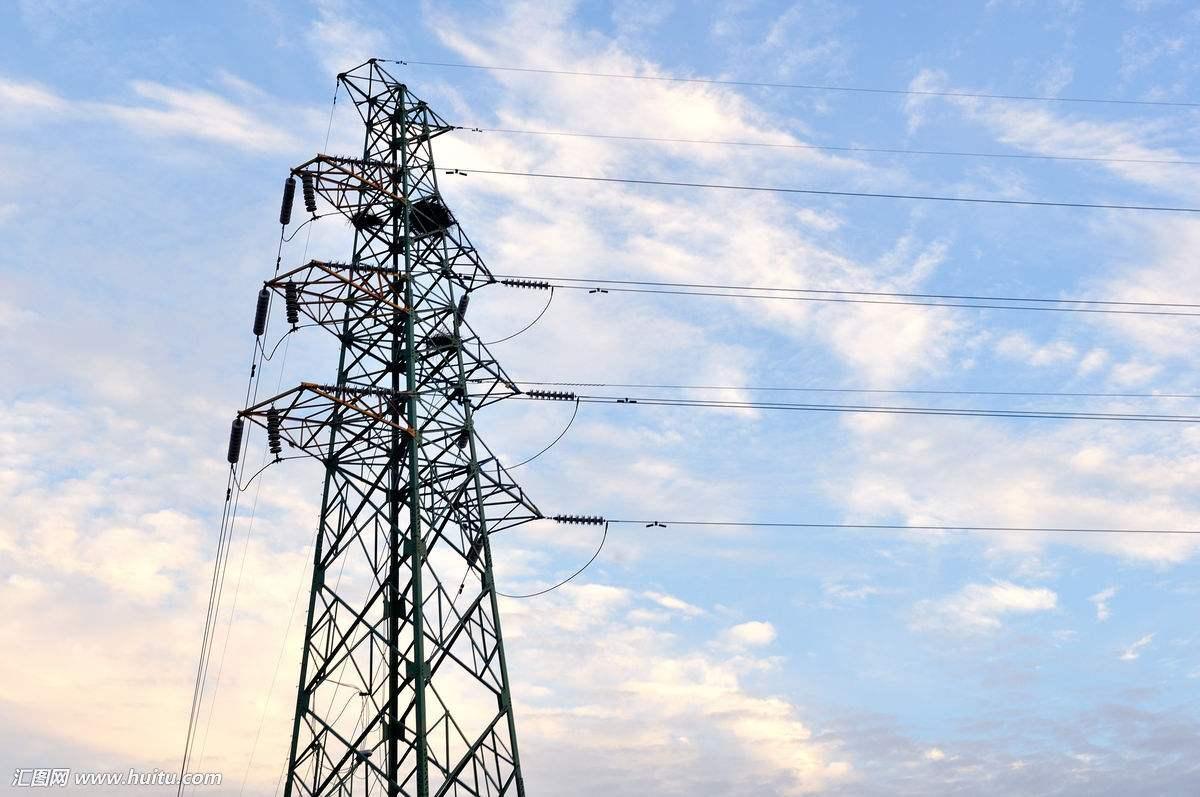
Overhead cable systems remain the backbone of power transmission and distribution worldwide. From expanding urban networks to reinforcing rural electrification, overhead cables deliver reliable, cost-effective electricity across long distances. For engineers and procurement professionals, selecting the right overhead cable is critical to grid performance, safety, and lifecycle cost.
As a global manufacturer of overhead conductors and power cables, HNBF Power supports utilities, EPC contractors, and industrial buyers with engineered solutions designed for real-world operating conditions.
What Is an Overhead Cable?
An overhead cable is an electrical conductor installed above ground on poles or transmission towers. Unlike underground cables, overhead systems rely on air insulation, making them easier to install, inspect, and maintain. They are widely used in:
-
High-voltage transmission lines
-
Medium- and low-voltage distribution networks
-
Rural and remote electrification projects
-
Industrial and utility infrastructure upgrades
Overhead cables are selected based on current capacity, mechanical strength, environmental exposure, and regulatory standards.
Key Types of Overhead Cables Used in Power Networks
AAC (All Aluminum Conductor)
AAC overhead cables offer excellent electrical conductivity and corrosion resistance. They are commonly used in urban distribution networks where span lengths are shorter and mechanical loads are moderate.
AAAC (All Aluminum Alloy Conductor)
AAAC overhead cables use aluminum alloy to improve tensile strength while maintaining good conductivity. They are ideal for longer spans, higher wind loads, and coastal or corrosive environments.
ACSR (Aluminum Conductor Steel Reinforced)
ACSR overhead cables combine aluminum strands for conductivity with a steel core for mechanical strength. This design makes ACSR suitable for long-distance transmission lines, river crossings, and high-tension applications.
ABC (Aerial Bundled Cable)
ABC overhead cable systems bundle insulated conductors together, improving safety and reducing power theft. They are widely adopted in low-voltage distribution, especially in densely populated or vegetation-heavy areas.
Each overhead cable type serves a specific engineering purpose, and selecting the right one requires careful technical evaluation.
Critical Factors When Selecting an Overhead Cable
Electrical Performance
Engineers must evaluate current-carrying capacity, voltage rating, and power loss characteristics to ensure efficient energy transmission.
Mechanical Strength
Tensile strength, sag performance, and vibration resistance are crucial for overhead cables exposed to wind, ice, and temperature variations.
Environmental Conditions
Climate, pollution levels, and corrosion risks influence conductor material selection and surface treatment.
Standards and Compliance
Overhead cables must comply with international and regional standards to ensure safety, interoperability, and long-term reliability.
HNBF Power designs overhead cable solutions that meet global utility standards while accommodating project-specific requirements.
Advantages of Overhead Cable Systems
-
Cost-effective installation compared to underground cabling
-
Easy inspection and maintenance, reducing downtime
-
High flexibility for network expansion and upgrades
-
Proven durability in diverse operating environments
For utilities and EPC contractors, these advantages translate into lower total ownership costs and dependable grid performance.
Why Choose HNBF Power for Overhead Cable Solutions?
HNBF Power is a trusted manufacturer of AAC, AAAC, ACSR, ABC, and low-voltage power cables, serving transmission and distribution projects worldwide. Our overhead cable products are engineered for:
-
Consistent electrical performance
-
Long service life under demanding conditions
-
Custom conductor designs for specific load and span requirements
-
Reliable supply for large-scale utility and infrastructure projects
By combining advanced manufacturing with strict quality control, HNBF Power supports engineers and procurement teams in delivering safe, efficient, and future-ready power networks.
FAQs About Overhead Cables
1. What is the difference between AAC and ACSR overhead cables?
AAC focuses on conductivity and corrosion resistance, while ACSR adds a steel core to improve mechanical strength for longer spans and higher loads.
2. Are overhead cables suitable for harsh environments?
Yes. With proper material selection and design, overhead cables can perform reliably in coastal, high-temperature, and high-wind environments.
3. Why are ABC overhead cables increasingly used in distribution networks?
ABC systems enhance safety, reduce line losses, and minimize unauthorized connections, making them ideal for urban and semi-urban areas.
4. How long do overhead cables typically last?
With correct installation and maintenance, overhead cables can operate reliably for several decades.
5. Can overhead cables be customized for specific projects?
Absolutely. Parameters such as conductor size, stranding, and material composition can be tailored to meet project requirements.
Power Your Network with the Right Overhead Cable
Choosing the correct overhead cable is a strategic decision that affects grid reliability, efficiency, and long-term costs. Whether you are upgrading a distribution network or developing a new transmission line, partnering with an experienced manufacturer makes a measurable difference.
Contact HNBF Power today to discuss your overhead cable requirements and receive customized solutions engineered for your power transmission and distribution projects.

 English
 Arabic
 French
 Spanish
 Portuguese
 Deutsch
 Dutch
Dutch
 Italiano
 Russian
 Romaian
 Portuguese (Brazil)
 Greek
Greek