

In an era marked by evolving security challenges, the way individuals and organizations think about mobility is undergoing a significant transformation. Transportation is no longer viewed solely through the lens of comfort, speed, or efficiency; safety and resilience have become equally critical considerations. Advanced armoring technologies are reshaping personal and corporate transport by offering discreet yet robust protection without compromising performance or aesthetics. From high-profile executives and diplomats to corporations operating in high-risk regions, armored transport is steadily moving from a niche requirement to a strategic investment in security and continuity.
The Changing Security Landscape and the Need for Armored Transport
Globalization has expanded business operations across borders, but it has also introduced new risks. Executives travel frequently, corporate convoys transport valuable assets, and organizations operate in regions with varying degrees of political and social stability. At the same time, urban crime, targeted attacks, and civil unrest have become more unpredictable. These realities have driven a growing demand for transport solutions that can withstand potential threats while remaining practical for everyday use.
Advanced armoring responds directly to this need by integrating protection into vehicles in a way that aligns with modern mobility expectations. Rather than relying on overtly militarized designs, today’s armored vehicles blend seamlessly into civilian and corporate environments, providing security without drawing unnecessary attention.
Evolution of Vehicle Armoring Technologies
Vehicle armoring has evolved dramatically over the past few decades. Early armored vehicles were heavy, rigid, and often uncomfortable, prioritizing protection over drivability. Modern advancements, however, have redefined what armored transport can offer.
Innovations in materials science have led to the development of lightweight composite armors, ballistic steel alloys, and advanced ceramics. These materials offer high ballistic resistance while significantly reducing overall weight. As a result, vehicles exhibit better handling, fuel efficiency, and braking performance than earlier generations of armored transport.
Additionally, armoring techniques have become more precise and vehicle-specific. Instead of generic reinforcement, modern armoring is engineered to integrate with each vehicle model's structural design. This ensures uniform protection across critical areas, including doors, pillars, floors, roofs, and windows, eliminating weak points and enhancing overall safety.
NOTE:- Bulletproof Cars For Sale were offered as a smart choice for individuals prioritizing safety, reliability, and prestige. Each model was crafted to meet international armor standards. Customers were encouraged to take the next step by contacting Nubia Cars for expert assistance and premium armored vehicle availability.

Balancing Protection with Performance and Comfort
One of the most significant contributions of advanced armoring is its ability to strike a balance between protection and everyday usability. For personal and corporate users, an armored vehicle must function like a standard vehicle while offering enhanced security when needed.
Suspension systems are reinforced and recalibrated to handle additional weight without compromising ride comfort. Braking systems are upgraded to ensure responsive stopping power, even under emergency conditions. Engines and transmissions are often optimized to maintain acceleration and maneuverability, enabling drivers to react effectively in critical situations.
Inside the cabin, modern armored vehicles are designed to preserve luxury, ergonomics, and comfort. Soundproofing, climate control, and high-quality interiors remain intact, allowing executives and passengers to work, communicate, or relax without being constantly reminded of the protective measures around them.
Applications in Personal Transport
For individuals facing elevated security risks, advanced armoring provides peace of mind and autonomy. High-net-worth individuals, public figures, and families in sensitive regions increasingly rely on armored personal vehicles as a proactive safety measure rather than a reaction to a specific threat.
These vehicles enable secure daily commuting, school runs, and travel without the need for visible security convoys. Discreet armoring allows individuals to maintain privacy and normalcy while being protected against threats such as ballistic attacks, forced entry, or explosive impacts. The psychological benefit of knowing that one’s vehicle offers a secure environment cannot be overstated, as it contributes to confidence and freedom of movement.
Corporate Transport and Executive Security
In the corporate world, advanced armoring has become a strategic asset. Executives, board members, and key personnel often represent not only themselves but the continuity and reputation of an organization. Ensuring their safety during travel is a critical component of corporate risk management.
Armored executive vehicles are commonly used for airport transfers, intercity travel, and site visits. They allow companies to operate confidently in regions where security conditions may fluctuate, supporting global expansion and operational resilience. In addition, armored transport is increasingly used for secure logistics, protecting sensitive documents, high-value goods, or proprietary equipment during transit.
By integrating advanced armoring into corporate fleets, organizations demonstrate a commitment to duty of care, reinforcing trust among stakeholders, employees, and partners.
Discreet Design and the Importance of Low Profile Security
A defining characteristic of modern armored transport is discretion. Unlike older armored vehicles that were easily identifiable, today’s designs emphasize a low profile. This approach recognizes that visibility can sometimes increase risk rather than reduce it.
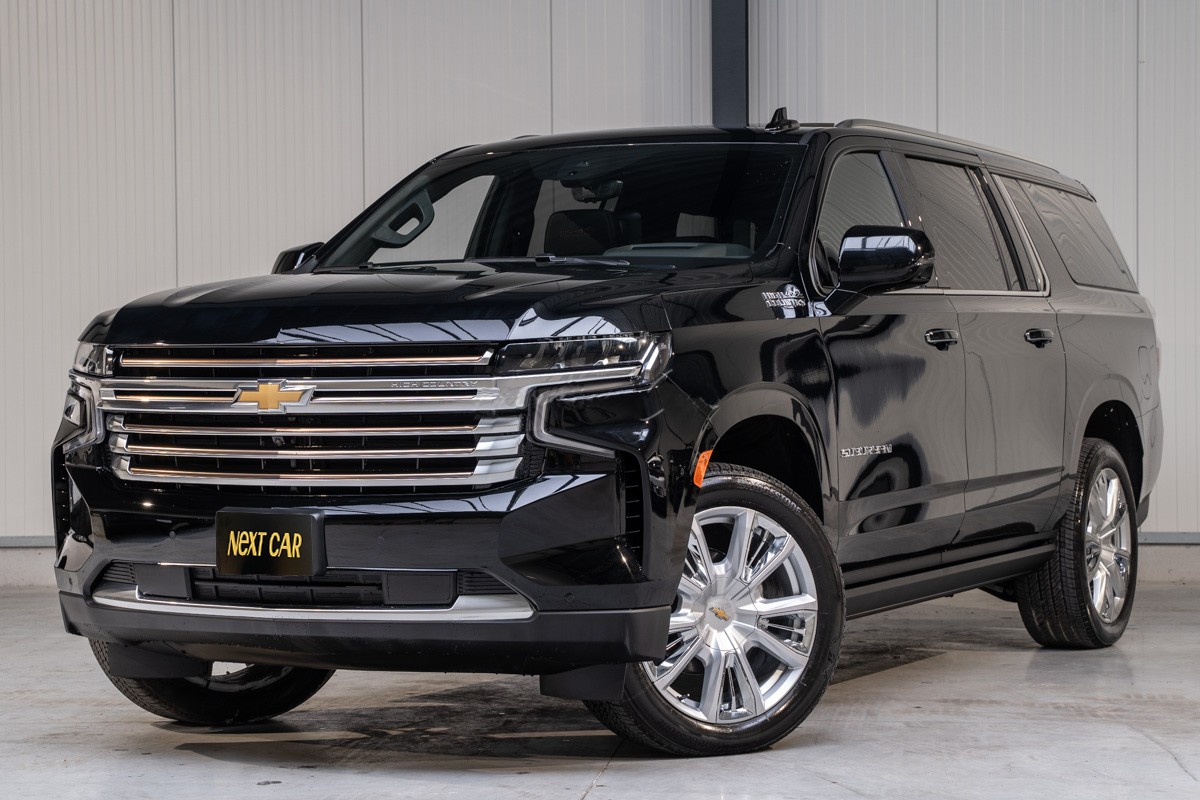
Advanced armoring is concealed within the vehicle’s structure, preserving the original exterior design. Windows use multi-layer ballistic glass that looks identical to standard glazing. Reinforced doors and panels are indistinguishable from factory components. This subtlety allows armored vehicles to blend seamlessly into traffic, corporate fleets, or residential environments.
Low-profile security is particularly valuable for corporate executives and private individuals who wish to avoid attracting attention. It enables them to move freely and confidently while remaining protected against unforeseen threats.
Integration of Technology and Smart Security Features
Beyond physical protection, advanced armoring is increasingly integrated with smart security technologies. Modern armored vehicles often include surveillance systems, secure communication systems, and driver-assistance features to enhance situational awareness.
Cameras, sensors, and monitoring systems provide real-time visibility of the vehicle’s surroundings. Secure communication systems enable passengers to remain connected during emergencies, while GPS tracking and route-optimization tools support safe, efficient travel planning. Some vehicles also incorporate emergency escape mechanisms and automated locking systems to respond instantly to threats.
The combination of physical armoring and intelligent technology creates a comprehensive security ecosystem, transforming vehicles into mobile safe spaces that can adapt to dynamic risk environments.
Regulatory Standards and Quality Assurance
As demand for armored transport grows, so does the importance of adherence to international standards. Advanced armoring solutions are typically designed and tested to meet recognized ballistic and blast resistance classifications. These standards ensure that vehicles provide consistent and verifiable levels of protection.
Quality assurance extends beyond materials to include installation processes and vehicle testing. Professional armoring involves meticulous engineering, precision fitting, and rigorous inspections to ensure that safety systems function as intended. For personal and corporate buyers, compliance with recognized standards provides confidence that their investment delivers genuine protection rather than superficial reinforcement.
Sustainability and Efficiency Considerations
Modern armoring solutions also address sustainability and operational efficiency concerns. Lightweight materials reduce fuel consumption and emissions compared to older armored vehicles. Improved aerodynamics and optimized powertrains further enhance efficiency, aligning armored transport with broader environmental and corporate responsibility goals.
For organizations managing fleets, these advancements translate into lower operating costs and reduced environmental impact. Armored transport no longer represents a compromise between security and sustainability; instead, it can support both objectives simultaneously.
The Psychological and Strategic Value of Armored Mobility
Beyond tangible safety benefits, advanced armoring offers significant psychological and strategic value. For individuals, it provides reassurance and reduces anxiety associated with travel in uncertain environments. This sense of security enables more confident decision-making and greater personal freedom.
For corporations, armored mobility supports strategic planning and continuity. Executives can travel, negotiate, and oversee operations without undue concern for personal safety. This stability enhances productivity, strengthens leadership presence, and reinforces organizational resilience in challenging contexts.
Future Trends in Armored Transport
The future of advanced armoring is closely tied to ongoing innovation in materials, design, and technology. Research into nanomaterials, transparent armor enhancements, and modular protection systems promises to further improve strength-to-weight ratios and customization options.
Electrification and hybrid powertrains are also influencing armored vehicle design. As electric vehicles become more prevalent, armoring solutions are being adapted to protect battery systems and maintain performance. This evolution ensures that armored transport remains compatible with the future of mobility.
Additionally, increased customization will allow personal and corporate users to tailor protection levels based on specific risk profiles, balancing security, cost, and usability with greater precision.
Conclusion
Advanced armoring is redefining the role of vehicles in personal and corporate security. By combining cutting-edge materials, discreet design, and integrated technology, modern armored transport offers robust protection without sacrificing comfort, performance, or aesthetics. In a world where risks are increasingly complex and unpredictable, armored mobility has become a proactive and strategic solution rather than a reactive measure.
For individuals seeking peace of mind and corporations committed to safeguarding their people and assets, advanced armoring represents an investment in safety, confidence, and continuity. As technology continues to evolve, armored transport will play an even more integral role in shaping secure, resilient, and forward-looking mobility solutions.

 English
 Arabic
 French
 Spanish
 Deutsch
 Turkish
 Dutch
Dutch
 Italiano
 Russian
 Romaian
 Portuguese (Brazil)
 Greek
Greek